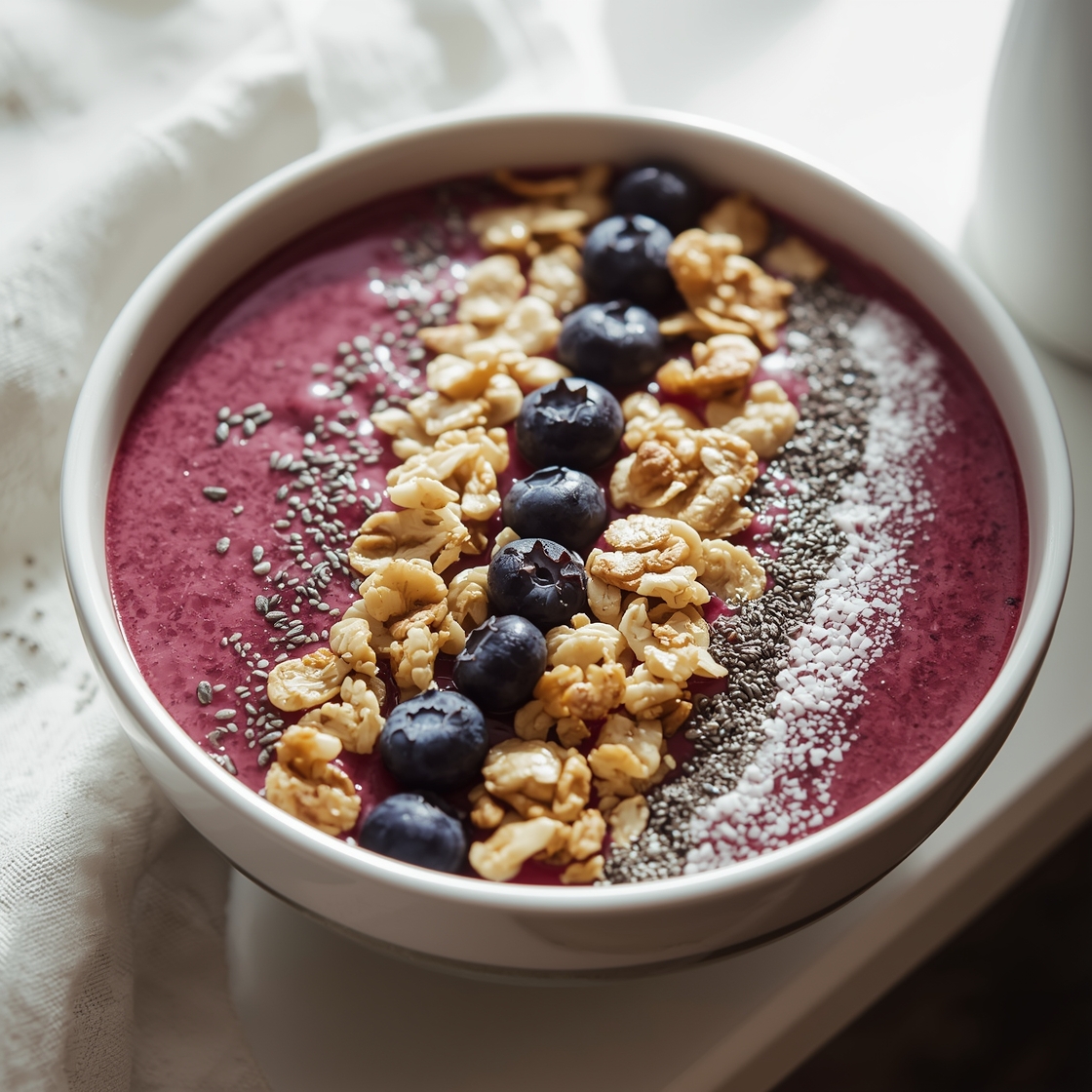
Anti-Inflammatory Berry Smoothie Bowl
A thick, vibrant smoothie bowl loaded with antioxidant-rich berries, anti-inflammatory spices, and gut-healing toppings.
Gut Health Benefit
Berries are among the most antioxidant-rich foods on earth. Their polyphenols have been shown to reduce gut inflammation and increase the abundance of beneficial Akkermansia muciniphila bacteria.
Why This Recipe Is Great for Your Gut
This smoothie bowl is a clinical-grade anti-inflammatory meal disguised as a beautiful breakfast. Delivering 9 grams of fiber and an extraordinary concentration of polyphenol antioxidants, this thick, spoonable bowl targets gut inflammation through three distinct biochemical pathways simultaneously — making it far more powerful than any single anti-inflammatory food consumed alone.
The foundation is frozen mixed berries — blueberries, strawberries, and raspberries — which are among the most polyphenol-dense foods on the planet. Polyphenols are plant defense compounds that, in the human body, function as powerful antioxidants and anti-inflammatory agents. What makes berry polyphenols uniquely important for gut health is their bioavailability pattern: approximately 90–95% of dietary polyphenols are not absorbed in the small intestine. Instead, they travel intact to the colon, where they serve as fuel for beneficial bacterial species. Research from the Journal of Agricultural and Food Chemistry has demonstrated that blueberry anthocyanins specifically increase populations of Akkermansia muciniphila — a keystone bacterium responsible for producing mucin, the protective mucus layer that shields your intestinal lining from damage.
The frozen banana provides fructooligosaccharides (FOS), a prebiotic fiber that feeds Bifidobacteria, while the almond butter adds vitamin E (a fat-soluble antioxidant that protects intestinal cell membranes) and monounsaturated fats that improve polyphenol absorption. The turmeric and cinnamon in the base add curcumin and cinnamaldehyde — two of the most well-studied anti-inflammatory compounds in nutrition science. Together, they suppress the NF-κB and COX-2 inflammatory pathways that drive chronic intestinal inflammation.
The toppings are not just decoration — each one adds a specific gut health function. Walnuts provide alpha-linolenic acid (ALA omega-3), which is converted to EPA and DHA. Chia seeds contribute mucilage fiber that soothes the digestive tract. Granola adds prebiotic beta-glucan from oats. This bowl is designed, not just assembled.
Key Ingredients for Gut Health
Mixed Berries (Blueberries, Strawberries, Raspberries)
This triad of berries provides one of the most diverse polyphenol profiles available from any single food group. Blueberries contain anthocyanins (specifically malvidin and delphinidin), which give them their deep blue-purple color and have shown the strongest association with increased Akkermansia muciniphila populations. Raspberries are rich in ellagitannins, which gut bacteria convert into urolithins — metabolites with potent anti-inflammatory and anti-aging properties. Strawberries provide pelargonidin and fisetin, a flavonoid being actively researched for its ability to clear senescent (damaged) cells from the intestinal lining, promoting tissue regeneration.
Turmeric
The 1/2 teaspoon of turmeric in this bowl provides approximately 30–50mg of curcumin. While this is a smaller dose than in a turmeric latte, the fat in the almond butter and coconut milk significantly enhances absorption. In this context, curcumin acts synergistically with the berry polyphenols — they target different nodes of the inflammatory cascade, creating a more comprehensive anti-inflammatory effect than either compound alone.
Walnuts
Walnuts are the only tree nut that provides a significant amount of alpha-linolenic acid (ALA), the plant-based omega-3 fatty acid. A 2-tablespoon serving of chopped walnuts provides approximately 1.3 grams of ALA. While the conversion rate to EPA and DHA is low (5–10%), ALA itself has independent anti-inflammatory effects in the gut. Walnuts also contain unique polyphenols (pedunculagin) that are metabolized by gut bacteria into ellagic acid and urolithins, further amplifying the anti-inflammatory effect of the berries in this bowl.
Ingredients
Smoothie Base
- 2 cups frozen mixed berries (blueberries, strawberries, raspberries)
- 1 frozen banana (peel and freeze overnight)
- 1/2 cup coconut milk (full-fat from a can for thickness)
- 1 tbsp almond butter (or any nut butter)
- 1/2 tsp ground turmeric
- 1/2 tsp ground cinnamon
- 1/4 tsp freshly ground black pepper (for curcumin absorption)
Toppings
- 1/4 cup granola (low-sugar, oat-based)
- 2 tbsp unsweetened coconut flakes
- 2 tbsp walnuts, roughly chopped
- 1/4 cup fresh berries (blueberries or sliced strawberries)
- 1 tbsp chia seeds
- Drizzle of raw honey or maple syrup
Instructions
- Blend the base thick. Add the frozen berries, frozen banana, coconut milk, almond butter, turmeric, cinnamon, and black pepper to a high-powered blender. Blend on low speed first, using the tamper (if your blender has one) to push the frozen ingredients into the blades. The mixture should be very thick — significantly thicker than a drinkable smoothie. This is a bowl, not a glass.
- Adjust consistency carefully. If the blender struggles, add coconut milk 1 tablespoon at a time. The key is using as little liquid as possible. You should be able to turn the blender jar upside down for a few seconds without the mixture moving. If it flows, it is too thin.
- Divide into bowls. Use a spatula to scoop the thick smoothie base into two wide, shallow bowls. Spread it evenly with the back of a spoon, creating a smooth surface for the toppings.
- Arrange the toppings artfully. This is where the magic happens. Arrange the granola, coconut flakes, walnuts, fresh berries, and chia seeds in distinct sections or rows on top of the smoothie base. The visual presentation is part of the experience — a beautiful bowl encourages mindful eating, which supports better digestion.
- Finish and serve. Drizzle with raw honey or maple syrup. Serve immediately with a spoon. Eat from one side to the other so each bite combines the thick, cold smoothie base with the crunchy, textured toppings.
Tips
- Keep it thick. The number one smoothie bowl mistake is making it too thin. Use frozen fruit (never fresh), minimal liquid, and a frozen banana. If it is pourable, it is a smoothie, not a smoothie bowl.
- Add a hidden green. A large handful of baby spinach or kale blends invisibly into the berry base — you will not taste it at all. The berries completely mask the vegetable flavor while you gain extra fiber, iron, and folate.
- Meal prep the base. Pre-portion the frozen fruit, banana, and dry spices into individual freezer bags. In the morning, dump a bag into the blender, add coconut milk and almond butter, blend, and top. Total time: under 5 minutes.
- Use an acai pack. For an even more antioxidant-rich bowl, replace 1 cup of the frozen berries with 1 frozen acai packet (available in the freezer section). Acai contains even higher anthocyanin concentrations than blueberries.
Variations & Substitutions
- Tropical Anti-Inflammatory Bowl. Replace the berries with 1 cup frozen mango, 1/2 cup frozen pineapple, and 1/4 cup frozen passion fruit pulp. Keep the turmeric and add 1/2 teaspoon of fresh grated ginger. Top with toasted coconut, macadamia nuts, and kiwi slices. The bromelain in pineapple is a natural digestive enzyme.
- Chocolate Berry Bowl. Add 1 tablespoon of raw cacao powder to the blender. Cacao is rich in flavanols — polyphenols that have been shown to increase Bifidobacterium and Lactobacillus populations. Top with cacao nibs, sliced banana, and a drizzle of peanut butter.
- Green Anti-Inflammatory Bowl. Replace half the berries with 1 cup of frozen spinach, 1/2 an avocado, and 1/2 cup of frozen pineapple. The avocado provides anti-inflammatory oleic acid and makes the bowl incredibly creamy. Top with hemp seeds, granola, and sliced kiwi.
- High-Protein Version. Add 1 scoop of plant-based protein powder (pea or hemp) to the blender, or stir 2 tablespoons of hemp seeds into the base. Top with a generous drizzle of almond butter for an additional 7g of protein.
Storage & Meal Prep
- Serve immediately. Smoothie bowls are best eaten right away. Unlike smoothies, you cannot store a finished smoothie bowl — the base melts, the toppings get soggy, and the texture is lost.
- Freezer smoothie packs. The most effective meal prep strategy: portion all the frozen ingredients and dry spices into labeled freezer bags. Store up to 10 packs at a time. Each morning, blend one pack with the liquid and nut butter, pour into a bowl, and add fresh toppings. This takes under 5 minutes.
- Pre-made topping mix. Combine the granola, coconut flakes, walnuts, and chia seeds in a sealed jar. Store at room temperature for up to 2 weeks. Sprinkle over the smoothie base each morning without measuring.
- Leftover smoothie base. If you make too much base, pour the excess into popsicle molds for healthy frozen treats, or freeze in ice cube trays and re-blend later.
Frequently Asked Questions
What makes berries anti-inflammatory?
Berries contain high concentrations of polyphenols — specifically anthocyanins (blueberries), ellagitannins (raspberries), and pelargonidin (strawberries). These compounds inhibit the NF-κB inflammatory pathway, reduce the expression of pro-inflammatory cytokines (TNF-α, IL-6), and neutralize reactive oxygen species (free radicals) that damage the intestinal lining. Most importantly, 90% of these polyphenols travel to the colon where they directly feed beneficial gut bacteria.
How is a smoothie bowl different from a smoothie?
Thickness. A smoothie is thin enough to drink through a straw. A smoothie bowl is thick enough to eat with a spoon — it should hold its shape when scooped. The key differences are: (1) less liquid, (2) more frozen fruit, (3) toppings that add texture, fiber, and nutrition. The thicker consistency also slows eating, promoting better digestion and satiety.
Can I use fresh berries instead of frozen?
Frozen berries are strongly recommended for a thick, scoopable texture. Using fresh berries will produce a thinner, more liquid result — essentially a smoothie in a bowl. If you only have fresh berries, freeze them for at least 4 hours before blending. The frozen banana is non-negotiable — it is what gives the bowl its ice-cream-like body.
Is this bowl suitable for weight loss?
Yes. At 310 calories with 9g of fiber and 8g of protein, this bowl is highly satiating relative to its calorie count. The combination of fiber and healthy fats keeps you full for 3–4 hours. To reduce calories further, omit the granola and honey (saves approximately 100 calories). The berry polyphenols themselves have been associated with improved metabolic markers and reduced visceral fat in clinical studies.
Why add black pepper to a smoothie bowl?
The black pepper is included for the same reason as in a turmeric latte: piperine increases curcumin absorption by up to 2,000%. At just 1/4 teaspoon, the pepper flavor is completely undetectable — the berries, banana, and cinnamon completely mask it. But the bioavailability enhancement is significant, making the turmeric in this recipe genuinely therapeutic rather than merely decorative.
More Anti-Inflammatory Recipes
 Anti-Inflammatory
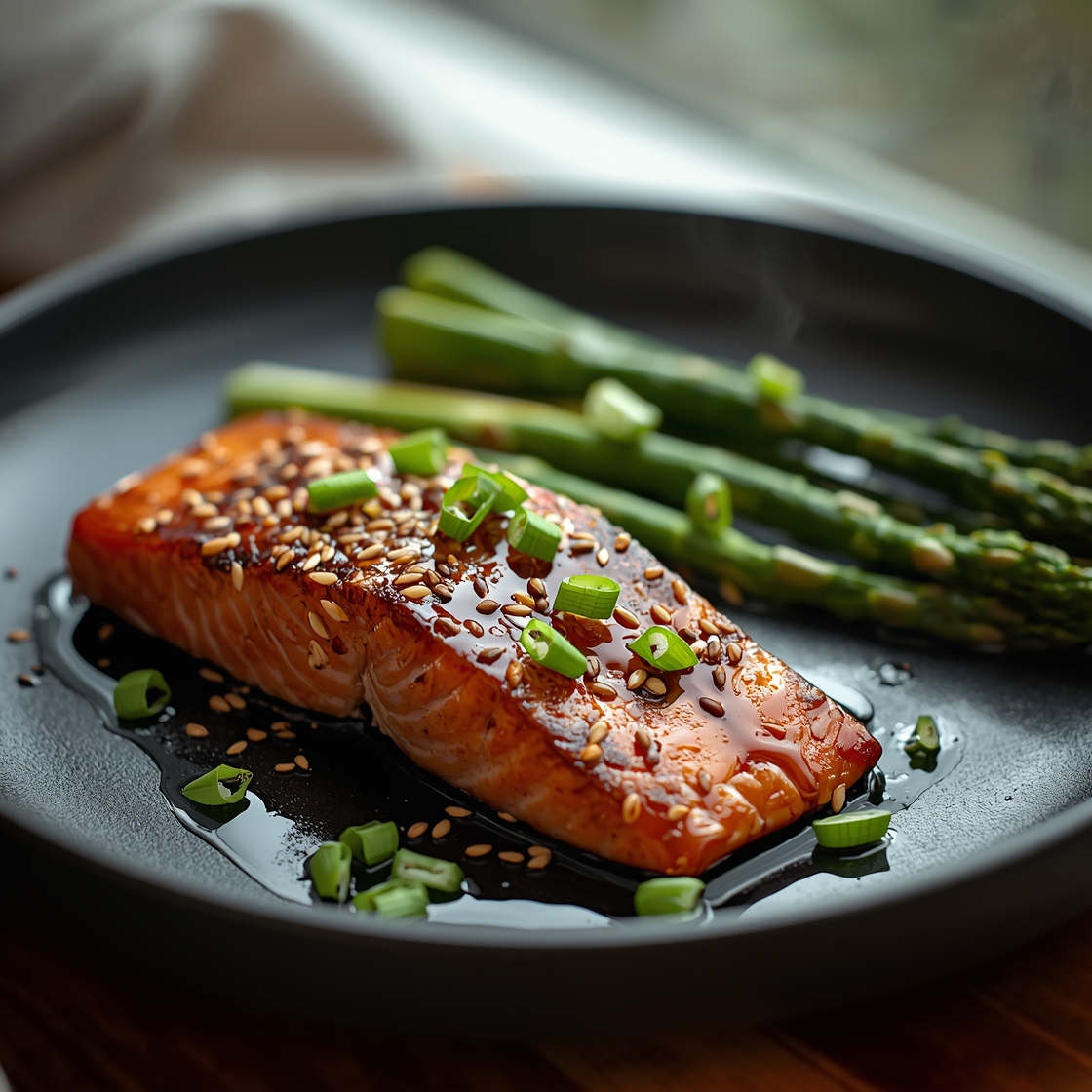
 Ginger Soy Glazed Salmon
Perfectly seared salmon with a sweet-savory ginger soy glaze. Rich in omega-3s for fighting gut inflammation.
 Anti-Inflammatory
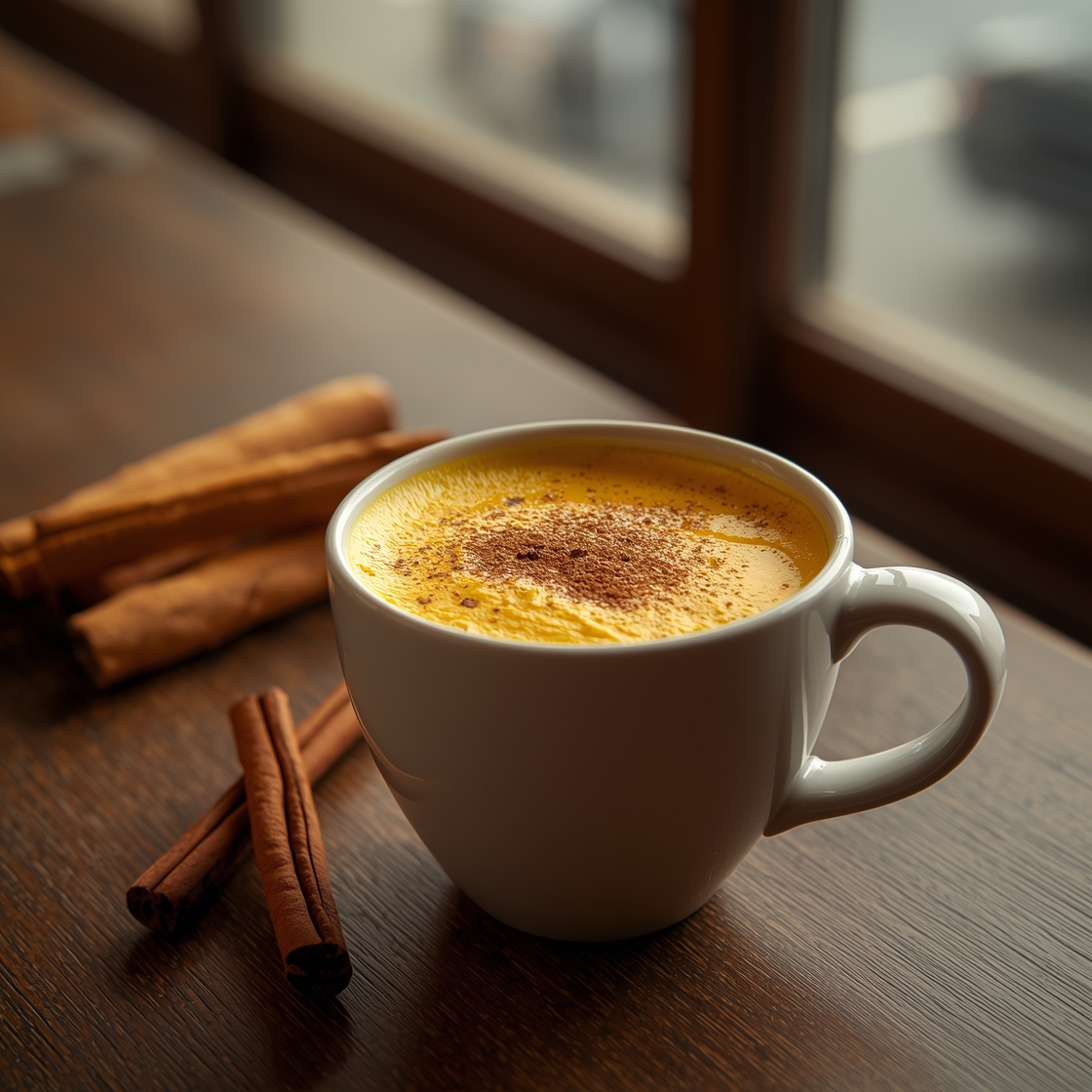
 Golden Turmeric Latte
A warming, anti-inflammatory golden milk made with turmeric, ginger, and a touch of black pepper for maximum absorption.