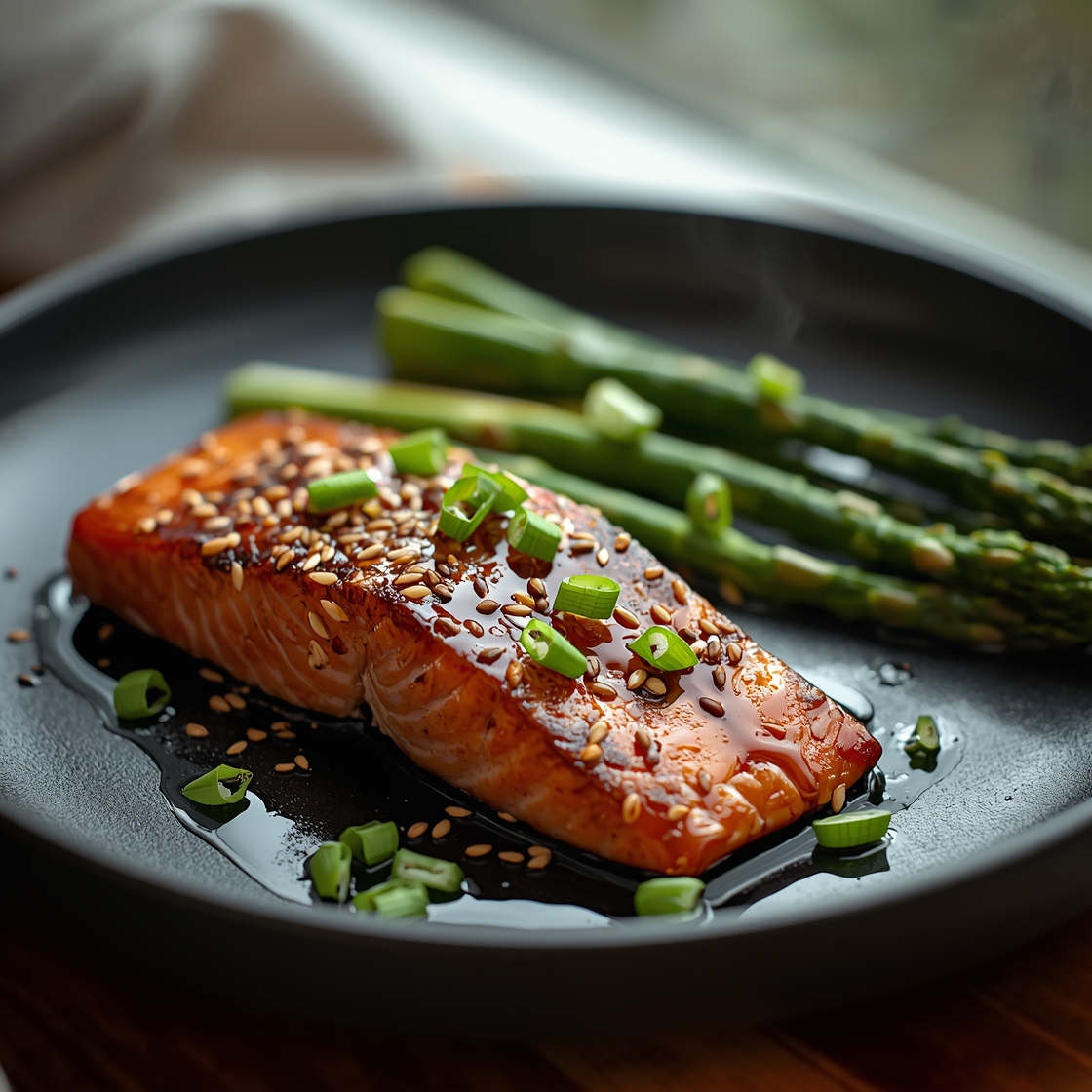
Ginger Soy Glazed Salmon
Perfectly seared salmon with a sweet-savory ginger soy glaze. Rich in omega-3s for fighting gut inflammation.
Gut Health Benefit
Salmon is one of the richest sources of omega-3 fatty acids (EPA and DHA), which directly reduce inflammation in the gut lining. Ginger contains gingerol, a compound that accelerates stomach emptying and reduces nausea.
Why This Recipe Is Great for Your Gut
This Ginger Soy Glazed Salmon is the ultimate anti-inflammatory dinner. It combines the most potent natural source of omega-3 fatty acids (wild salmon) with two powerful anti-inflammatory aromatics (ginger and garlic) in a sweet-savory glaze that takes just 15 minutes from pan to plate. Every component of this recipe targets gut inflammation through a different biochemical pathway, making it far more effective than any single ingredient alone.
Salmon is the gold standard of anti-inflammatory protein. A single 6-ounce fillet provides approximately 3–4 grams of EPA (eicosapentaenoic acid) and DHA (docosahexaenoic acid) — the two most biologically active omega-3 fatty acids. These long-chain omega-3s are directly incorporated into the cell membranes of your intestinal lining, where they reduce the production of pro-inflammatory eicosanoids (prostaglandins and leukotrienes). Research published in the American Journal of Clinical Nutrition has demonstrated that omega-3 supplementation at levels equivalent to 2–3 servings of fatty fish per week significantly reduces markers of intestinal inflammation, including fecal calprotectin (a biomarker for IBD severity).
But the gut health benefits of omega-3s extend beyond simple inflammation reduction. A groundbreaking study from the University of Nottingham found that higher blood levels of omega-3 fatty acids were associated with greater microbial diversity in the gut — the single most reliable indicator of overall microbiome health. The researchers proposed that omega-3s create a less inflammatory intestinal environment that allows a broader range of bacterial species to coexist and thrive.
The ginger soy glaze adds its own anti-inflammatory arsenal. Fresh ginger contains 6-gingerol, a phenolic compound that inhibits the COX-2 enzyme (the same target as ibuprofen and aspirin), but without the gastrointestinal side effects that NSAIDs cause. In fact, ginger actively protects the stomach lining — it stimulates mucus production and accelerates gastric motility, reducing bloating and the uncomfortable feeling of fullness after protein-rich meals. The garlic in the glaze provides additional sulfur compounds (allicin derivatives) with selective antimicrobial properties that support a balanced microbiome.
Key Ingredients for Gut Health
Wild Salmon (Omega-3 EPA & DHA)
Salmon provides 1.5–2.5 grams of omega-3 fatty acids per 6-ounce fillet, making it the most concentrated dietary source of EPA and DHA available. These omega-3s are essential for gut health because they are incorporated directly into the phospholipid bilayer of intestinal epithelial cells, improving membrane fluidity and reducing the expression of inflammatory genes. Wild-caught salmon (sockeye, king, coho) typically has a better omega-3 to omega-6 ratio than farmed salmon. Omega-3s also increase the production of specialized pro-resolving mediators (SPMs) — molecules that actively resolve and clear inflammation rather than just suppressing it.
Fresh Ginger
The ginger in this glaze provides approximately 500mg of gingerols per tablespoon of freshly grated root. Gingerols are absorbed in the upper GI tract and exert anti-inflammatory effects throughout the digestive system. Clinical trials have shown that as little as 1 gram of ginger daily reduces intestinal transit time, alleviates nausea, and decreases markers of gut inflammation. Ginger also stimulates bile production, which improves fat digestion — particularly relevant when eating a high-fat fish like salmon.
Soy Sauce (Fermented)
Traditionally brewed soy sauce is a fermented food produced by culturing soybeans and wheat with Aspergillus oryzae for 6–18 months. This fermentation produces beneficial bioactive peptides, isoflavones, and melanoidins (Maillard reaction products). While the probiotic organisms do not survive the final pasteurization, the fermentation byproducts (postbiotics) retain anti-inflammatory and antioxidant activity in the gut. Tamari (wheat-free soy sauce) is an excellent gluten-free alternative that is fermented identically.
Ingredients
- 4 salmon fillets (6 oz each, skin-on, preferably wild-caught)
- 2 tbsp soy sauce (or tamari for gluten-free)
- 1 tbsp raw honey
- 1 tbsp rice vinegar
- 1 tbsp freshly grated ginger (about a 1-inch piece)
- 2 cloves garlic, finely minced
- 1 tbsp toasted sesame oil
- 1 tbsp olive oil (for searing)
- Toasted sesame seeds and thinly sliced scallions for garnish
Instructions
- Make the glaze. In a small bowl, whisk together the soy sauce, honey, rice vinegar, grated ginger, and minced garlic until the honey is fully dissolved. Set aside. This glaze can be made up to 24 hours ahead and stored in the fridge.
- Prepare the salmon. Remove the salmon fillets from the refrigerator 15 minutes before cooking to take the chill off. Pat each fillet thoroughly dry with paper towels — this is critical for achieving a golden, crispy sear. Season lightly with salt on both sides.
- Sear the first side. Heat the olive oil in a large oven-safe skillet (cast iron is ideal) over medium-high heat until the oil just begins to shimmer. Place the salmon fillets skin-side up (flesh-side down) in the pan. Do not move them. Sear undisturbed for 3–4 minutes until a deep golden crust forms on the bottom.
- Flip and glaze. Carefully flip each fillet so it is now skin-side down. Immediately brush the top and sides generously with the ginger soy glaze, using at least half of the glaze.
- Finish in the oven. Transfer the skillet to a preheated 400°F (200°C) oven. Bake for 6–8 minutes until the salmon is cooked to your preferred doneness. For medium (slightly translucent in the center, which is the chef’s recommended doneness), aim for an internal temperature of 125–130°F. For well-done, cook until 145°F.
- Final glaze and serve. Remove from the oven. Drizzle the remaining ginger soy glaze over the fillets. Add a splash of sesame oil over each piece. Top with toasted sesame seeds and thinly sliced scallions. Serve immediately alongside steamed rice and roasted vegetables.
Tips
- Do not overcook. Salmon is best at medium — slightly translucent in the center (125–130°F internal temperature, measured with an instant-read thermometer). Overcooked salmon becomes dry and chalky. The carryover heat from the hot skillet will continue to cook the fish for 2–3 minutes after you remove it from the oven.
- Pair with prebiotics. Serve alongside roasted asparagus, garlic sautéed greens, or a simple mixed green salad for a complete gut-health dinner that combines anti-inflammatory omega-3s with prebiotic fiber.
- Wild vs. farmed. Wild-caught salmon (especially sockeye) typically has a significantly better omega-3 to omega-6 ratio (10:1 to 15:1) compared to farmed salmon (3:1 to 4:1). Higher omega-6 levels can actually promote inflammation, counteracting some of the omega-3 benefits.
- Crispy skin trick. Start skin-side down for the crispiest skin. Press the fillet flat with a spatula for the first 30 seconds to prevent curling, then leave it undisturbed.
Variations & Substitutions
- Miso Ginger Salmon. Replace 1 tablespoon of the soy sauce with 1 tablespoon of white miso paste dissolved in 1 tablespoon of warm water. The miso adds fermented umami depth and additional postbiotic compounds.
- Teriyaki Style. Double the honey and add 1 tablespoon of mirin (Japanese sweet rice wine) to the glaze. Reduce the glaze in a small saucepan over medium heat for 3 minutes until thickened before brushing onto the salmon.
- Sheet Pan Dinner. Place the salmon on a lined baking sheet surrounded by broccoli florets, sliced bell peppers, and snow peas. Drizzle everything with the glaze and roast at 400°F for 15 minutes for a complete one-pan meal.
- For Non-Fish Eaters. This glaze works beautifully on firm tofu (press and slice into steaks) or chicken thighs. Tofu provides plant-based protein and is gentle on the stomach, while chicken thighs have a small but meaningful omega-3 content.
Storage & Meal Prep
- Refrigerator. Store cooked salmon in an airtight container for up to 3 days. It is excellent cold — flake it over salads, grain bowls, or into rice wraps.
- Freezer. Cooked glazed salmon can be frozen for up to 2 months. Wrap individual fillets tightly in plastic wrap, then aluminum foil. Thaw overnight in the refrigerator.
- Meal prep. Cook 4 fillets on Sunday. Eat 2 fresh for dinner and refrigerate 2 for weekday lunches. Cold glazed salmon over mixed greens with sesame dressing makes an excellent 5-minute lunch.
- Glaze ahead. The ginger soy glaze can be made up to 5 days in advance and stored in a sealed jar in the fridge. This makes weeknight cooking even faster.
Frequently Asked Questions
How much omega-3 is in salmon?
A 6-ounce serving of wild sockeye salmon contains approximately 2.5–3.5 grams of combined EPA and DHA omega-3 fatty acids. This is well above the American Heart Association’s recommendation of at least 500mg of EPA+DHA per day. Two servings of fatty fish per week provides sufficient omega-3 intake for most adults.
Is farmed salmon bad for you?
Farmed salmon is not “bad,” but it is nutritionally inferior to wild-caught salmon in several ways. Farmed salmon typically has a lower omega-3 to omega-6 ratio, higher total fat content, and may contain trace amounts of antibiotics and colorants (astaxanthin is added to farm feed to produce the pink color that wild salmon gets naturally from their krill diet). When possible, choose wild-caught varieties — sockeye, king, and coho offer the best omega-3 profiles.
Can ginger help with digestive issues?
Yes — ginger is one of the most well-studied natural remedies for digestive discomfort. Clinical trials have demonstrated that ginger effectively reduces nausea (including morning sickness and chemotherapy-related nausea), accelerates gastric emptying (reducing bloating and fullness), and reduces intestinal inflammation. The gingerols and shogaols in ginger inhibit the COX-2 enzyme and reduce prostaglandin production in the gut.
How do I know when salmon is done?
The most reliable method is an instant-read thermometer: 125°F for medium-rare (chef’s recommendation), 130°F for medium, and 145°F for well-done (USDA recommendation). Without a thermometer: press the thickest part gently with a fork — medium salmon will flake easily at the edges but still feel slightly springy in the center. The flesh should transition from translucent to opaque pink.
Can I use frozen salmon?
Yes. Thaw frozen salmon overnight in the refrigerator. Never thaw at room temperature (bacterial growth risk). Pat the thawed fillets very dry — frozen fish releases extra moisture that prevents proper searing. For the best results, remove the fillets from their vacuum packaging and place them on a plate in the fridge, uncovered, for 1–2 hours before cooking to dry the surface.
More Anti-Inflammatory Recipes
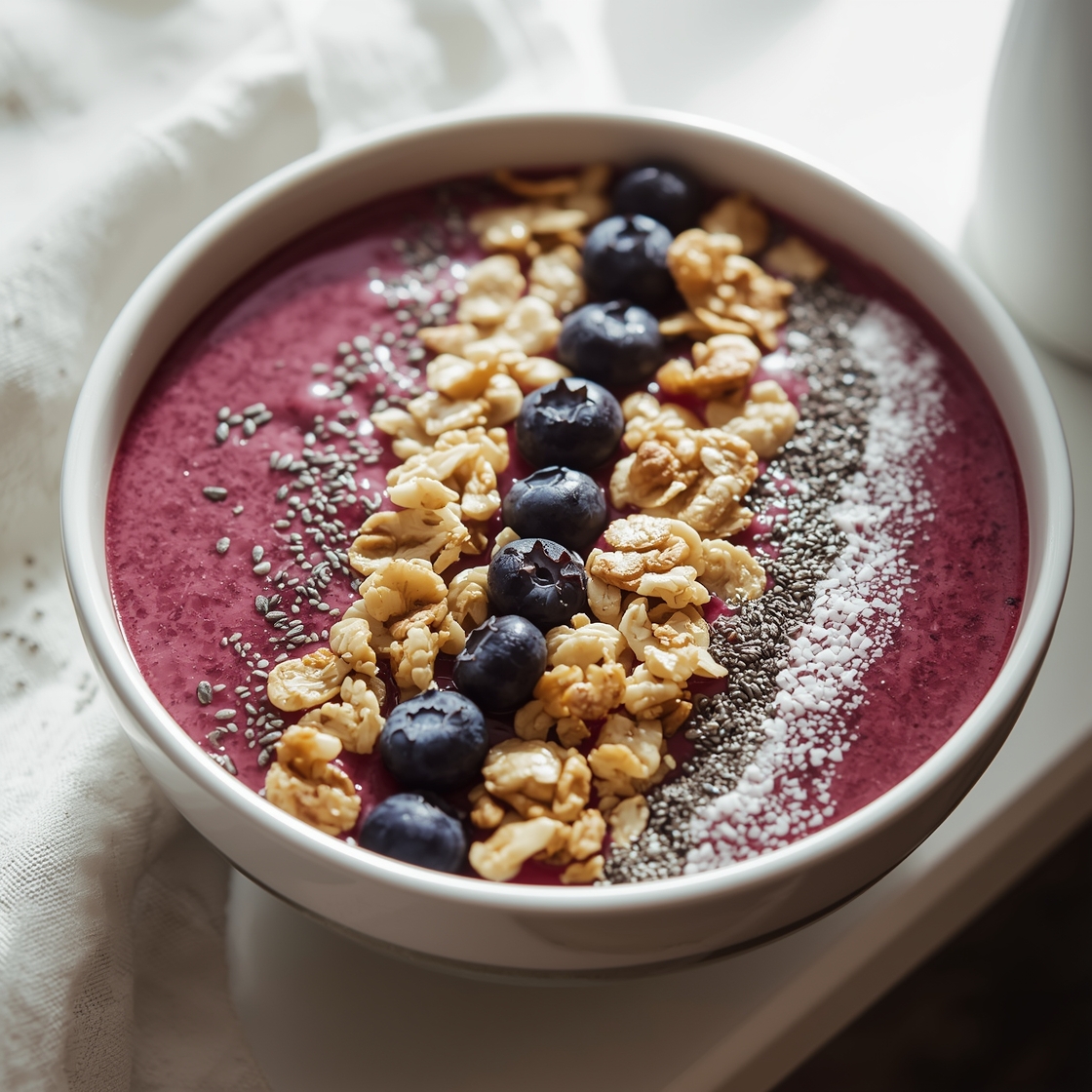 Anti-Inflammatory
 Anti-Inflammatory Berry Smoothie Bowl
A thick, vibrant smoothie bowl loaded with antioxidant-rich berries, anti-inflammatory spices, and gut-healing toppings.
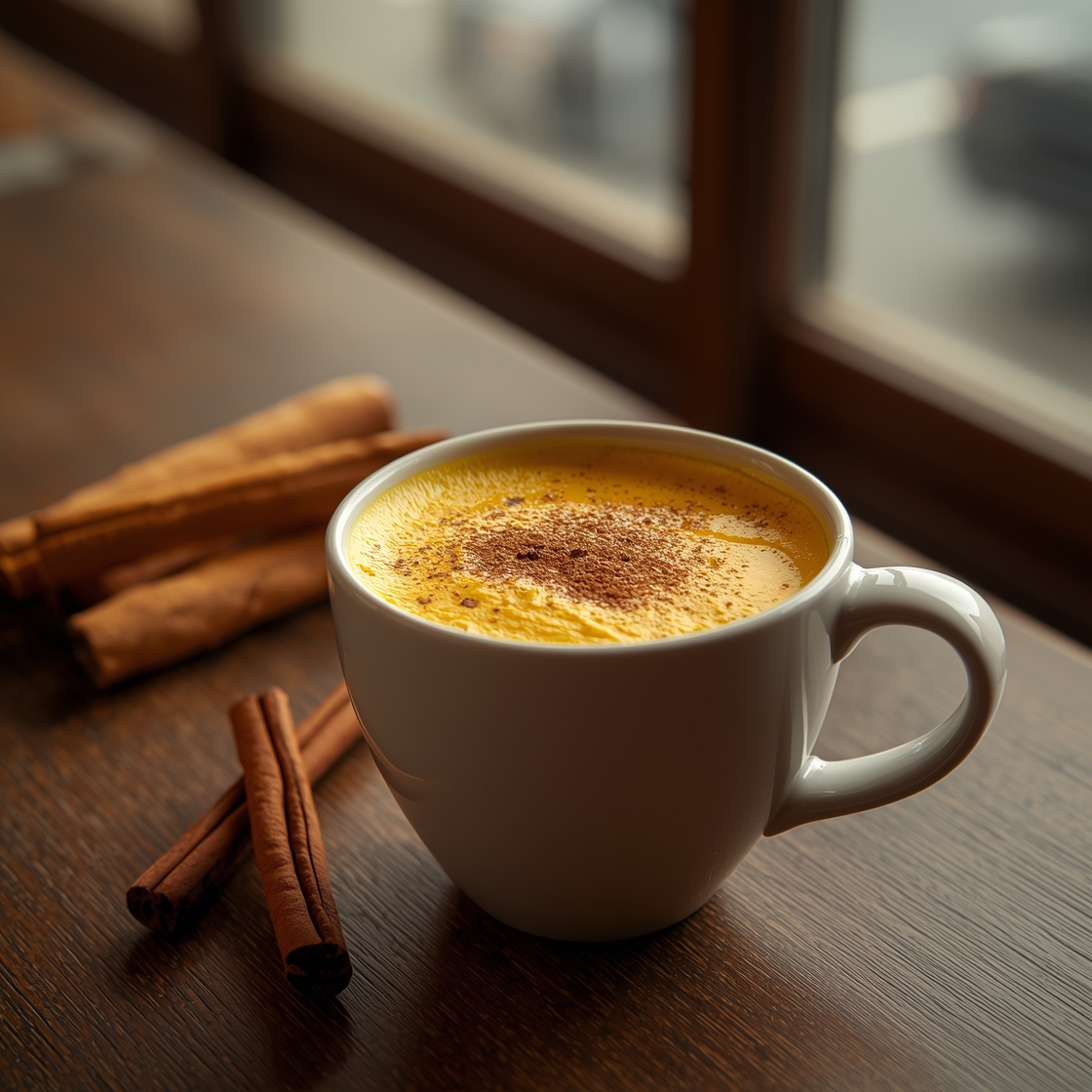 Anti-Inflammatory
 Golden Turmeric Latte
A warming, anti-inflammatory golden milk made with turmeric, ginger, and a touch of black pepper for maximum absorption.