
Golden Turmeric Latte
A warming, anti-inflammatory golden milk made with turmeric, ginger, and a touch of black pepper for maximum absorption.
Gut Health Benefit
Curcumin in turmeric has powerful anti-inflammatory properties that can soothe an inflamed gut lining. Black pepper increases curcumin absorption by up to 2,000%. Ginger further supports digestion and reduces gut inflammation.
Why This Recipe Is Great for Your Gut
This Golden Turmeric Latte — also known as haldi doodh in traditional Indian medicine — is one of the most powerful anti-inflammatory drinks you can make at home. Rooted in over 4,000 years of Ayurvedic tradition, this warming elixir combines turmeric, ginger, black pepper, and healthy fats in a precise formula designed to maximize the bioavailability and gut-healing properties of each ingredient.
The hero compound is curcumin, the bright yellow polyphenol responsible for turmeric’s vibrant color. Curcumin is one of the most extensively researched natural compounds in modern science, with over 12,000 peer-reviewed studies documenting its anti-inflammatory, antioxidant, and antimicrobial properties. In the gut specifically, curcumin modulates the NF-κB inflammatory pathway — the master switch that controls the expression of pro-inflammatory cytokines like TNF-α, IL-1β, and IL-6. By suppressing this pathway, curcumin directly reduces the chronic low-grade inflammation that drives conditions like IBS, leaky gut, ulcerative colitis, and Crohn’s disease.
However, curcumin has a major problem: bioavailability. On its own, curcumin is poorly absorbed — your body metabolizes and excretes it rapidly. This is why the black pepper in this recipe is not optional. Black pepper contains piperine, a compound that inhibits the liver enzyme (CYP3A4) responsible for metabolizing curcumin. A landmark study published in Planta Medica demonstrated that piperine increases curcumin absorption by an astonishing 2,000%. Just a quarter teaspoon of black pepper transforms this latte from a pleasant warm drink into a genuinely therapeutic beverage.
The coconut oil or ghee provides another absorption boost. Curcumin is fat-soluble — it dissolves in and is transported by dietary fats. Without fat, much of the curcumin passes through your system unused. The medium-chain triglycerides (MCTs) in coconut oil are particularly effective carriers because they are absorbed directly into the bloodstream via the portal vein, bypassing the slower lymphatic absorption route used by long-chain fats.
Ginger adds the final anti-inflammatory layer. Its bioactive compounds — gingerols and shogaols — work through different pathways than curcumin, creating a synergistic anti-inflammatory effect. Ginger also stimulates gastric motility, reducing the bloating and nausea that some people experience with turmeric alone.
Key Ingredients for Gut Health
Turmeric (Curcumin)
Ground turmeric root contains approximately 3% curcumin by weight. While this seems low, the concentrated dose in this latte (1.5 teaspoons) delivers roughly 100–150mg of curcumin — enough to produce measurable anti-inflammatory effects when consumed with piperine and fat. Beyond its anti-inflammatory properties, curcumin has been shown to strengthen the intestinal barrier by increasing the expression of tight junction proteins. It also has antimicrobial activity against Helicobacter pylori (the bacterium that causes stomach ulcers) and Candida species. In clinical trials, curcumin supplementation improved symptoms in patients with ulcerative colitis and IBS.
Black Pepper (Piperine)
The 1/4 teaspoon of black pepper in this recipe contains approximately 5–6mg of piperine. This modest amount is sufficient to increase curcumin bioavailability by 2,000%. Piperine works by inhibiting glucuronidation — the liver’s process of attaching a sugar molecule to curcumin to flag it for excretion. By blocking this process, piperine allows curcumin to remain in the bloodstream significantly longer. Black pepper also stimulates the production of digestive enzymes in the pancreas, improving overall nutrient absorption from the meal.
Ginger
Fresh or ground ginger contains gingerols (in raw form) and shogaols (in dried/cooked form). Both compounds are potent anti-inflammatory agents that work by inhibiting the COX-2 enzyme — the same pathway targeted by NSAIDs like ibuprofen, but without the gastrointestinal side effects. Ginger also acts as a prokinetic — it accelerates gastric emptying, moving food from the stomach into the small intestine more efficiently. This reduces bloating, nausea, and the uncomfortable fullness that some people feel after meals. Clinical trials have demonstrated that 1–2 grams of ginger daily significantly reduces markers of intestinal inflammation.
Ingredients
- 2 cups milk (oat milk or full-fat coconut milk work beautifully)
- 1 1/2 tsp ground turmeric
- 1/2 tsp ground ginger (or 1 tsp freshly grated ginger)
- 1/2 tsp ground cinnamon
- 1/4 tsp freshly ground black pepper (essential — do not omit)
- 1 tbsp raw honey or maple syrup
- 1 tsp coconut oil or ghee
- Pinch of ground cardamom (optional, for warmth)
Instructions
- Combine all ingredients. Add the milk, turmeric, ginger, cinnamon, black pepper, honey, coconut oil, and cardamom to a small saucepan. Whisk together to combine.
- Heat gently. Place the saucepan over medium-low heat. Whisk continuously as the mixture heats. This constant whisking prevents the turmeric from settling to the bottom and ensures even distribution of the spices.
- Simmer — do not boil. Heat for 3–4 minutes until the latte is steaming and very warm, but not boiling. Boiling can degrade some of the beneficial compounds and cause the milk to scald and develop a bitter film. You want gentle wisps of steam rising from the surface.
- Strain for smoothness (optional). For a perfectly smooth latte, pour through a fine-mesh strainer into a measuring cup or pitcher. This removes any undissolved turmeric particles. If you used fresh grated ginger, straining is recommended.
- Froth and serve. Pour into two mugs. For a cafe-quality experience, use a handheld milk frother to create a layer of foam on top. Dust with a pinch of extra cinnamon and enjoy warm.
Tips
- Do not skip the black pepper. It is not there for flavor — the piperine in black pepper increases curcumin absorption by 2,000%. Without it, most of the curcumin passes through your body unused. This is the single most important tip for making this latte effective.
- Froth it. A handheld milk frother (under $10) transforms this homemade latte into a cafe-worthy experience. Froth the warm latte directly in the mug for 15–20 seconds.
- Iced version. Brew the latte as directed, let it cool to room temperature, then pour over a tall glass of ice. Add a splash of extra milk. This makes a refreshing anti-inflammatory drink for warmer months.
- Before bed. This latte is naturally caffeine-free and contains compounds that promote relaxation. The warm milk triggers tryptophan release, and curcumin has been shown to increase brain-derived neurotrophic factor (BDNF), which supports restful sleep.
Variations & Substitutions
- Turmeric Chai Latte. Add 1 black tea bag to the saucepan during simmering for a caffeinated version. Remove the tea bag after 3 minutes. The tannins in black tea have their own microbiome-modulating properties.
- Matcha Turmeric Latte. Whisk 1/2 teaspoon of matcha powder into the finished latte for an earthy, caffeinated boost. Matcha contains L-theanine, an amino acid that promotes calm focus and pairs beautifully with turmeric’s anti-inflammatory effects.
- Collagen Golden Latte. Stir 1 scoop (10g) of collagen peptides into the warm latte for an additional 10g of protein that supports gut lining repair. Collagen provides glycine and proline — amino acids specifically used for rebuilding the intestinal mucosa.
- Dairy-Free Versions. Oat milk produces the creamiest result. Coconut milk (full-fat, from a can) provides the most MCTs for curcumin absorption. Almond milk works but is thinner — shake the carton well before measuring.
Storage & Meal Prep
- Best fresh. This latte is best consumed immediately after preparation. The spices can settle and separate over time.
- Turmeric paste (make ahead). For convenience, make a concentrated turmeric paste: combine 1/4 cup turmeric powder, 1/2 cup water, 1 tsp black pepper, and 1 tbsp coconut oil in a saucepan. Cook over low heat for 5–7 minutes, stirring constantly, until it forms a thick paste. Store in a glass jar in the fridge for up to 2 weeks. To make a latte, stir 1 teaspoon of paste into a cup of warm milk.
- Freezer cubes. Prepare a large batch of the latte (without honey), let it cool, and pour into ice cube trays. Freeze overnight. Pop 3–4 cubes into a mug, microwave, stir in honey, and froth. Instant golden latte in under 2 minutes.
- Stain warning. Turmeric stains everything it touches — countertops, cutting boards, clothing, and plastic containers. Use glass or metal containers for storage, and clean up spills immediately.
Frequently Asked Questions
Does turmeric actually reduce gut inflammation?
Yes — curcumin, the active compound in turmeric, has been extensively studied for its anti-inflammatory effects on the gastrointestinal tract. Multiple randomized controlled trials have demonstrated that curcumin supplementation reduces symptoms and inflammatory markers in patients with IBS, ulcerative colitis, and Crohn’s disease. It works by suppressing the NF-κB pathway, which is the master regulator of inflammatory gene expression in the gut.
Why is black pepper so important in this recipe?
Curcumin has extremely poor bioavailability on its own — your liver rapidly metabolizes and excretes it. Piperine in black pepper inhibits this metabolic process, allowing curcumin to remain in the bloodstream up to 20 times longer. A 1998 study in Planta Medica demonstrated a 2,000% increase in curcumin bioavailability when co-administered with piperine. The fat in the coconut oil provides a secondary absorption boost because curcumin is fat-soluble.
Can I drink turmeric latte every day?
Yes — daily consumption is safe and recommended for sustained anti-inflammatory benefits. In Ayurvedic medicine, turmeric milk is consumed daily as a preventive health tonic. The amounts used in this recipe (1.5 teaspoons of turmeric) are well within safe daily limits. However, people on blood-thinning medications should consult their doctor, as curcumin has mild anti-coagulant properties.
Will this latte stain my teeth?
Turmeric can temporarily stain teeth with regular, heavy consumption. To minimize this: drink through a stainless steel straw, rinse your mouth with water immediately after finishing, and brush your teeth within 30 minutes. The staining is superficial and reversible — it does not penetrate tooth enamel.
Is fresh turmeric better than ground?
Fresh turmeric root has a brighter, more peppery flavor and slightly higher curcumin content. However, ground turmeric is more concentrated (the drying process removes water) and much more convenient. Both are effective. If using fresh turmeric root, use approximately 1 tablespoon of freshly grated turmeric to replace 1.5 teaspoons of ground. Strain the latte to remove the fibrous pieces.
More Anti-Inflammatory Recipes
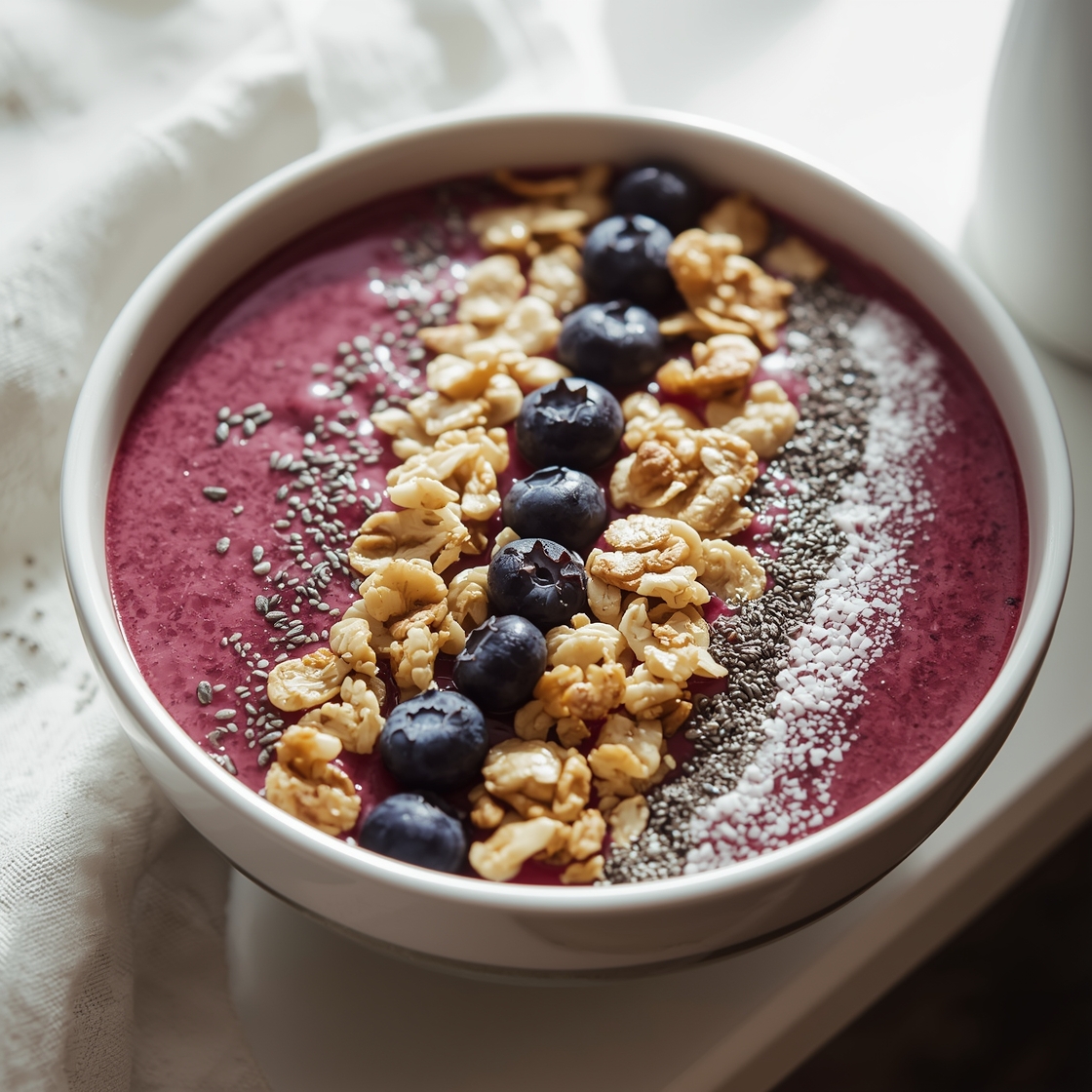 Anti-Inflammatory
 Anti-Inflammatory Berry Smoothie Bowl
A thick, vibrant smoothie bowl loaded with antioxidant-rich berries, anti-inflammatory spices, and gut-healing toppings.
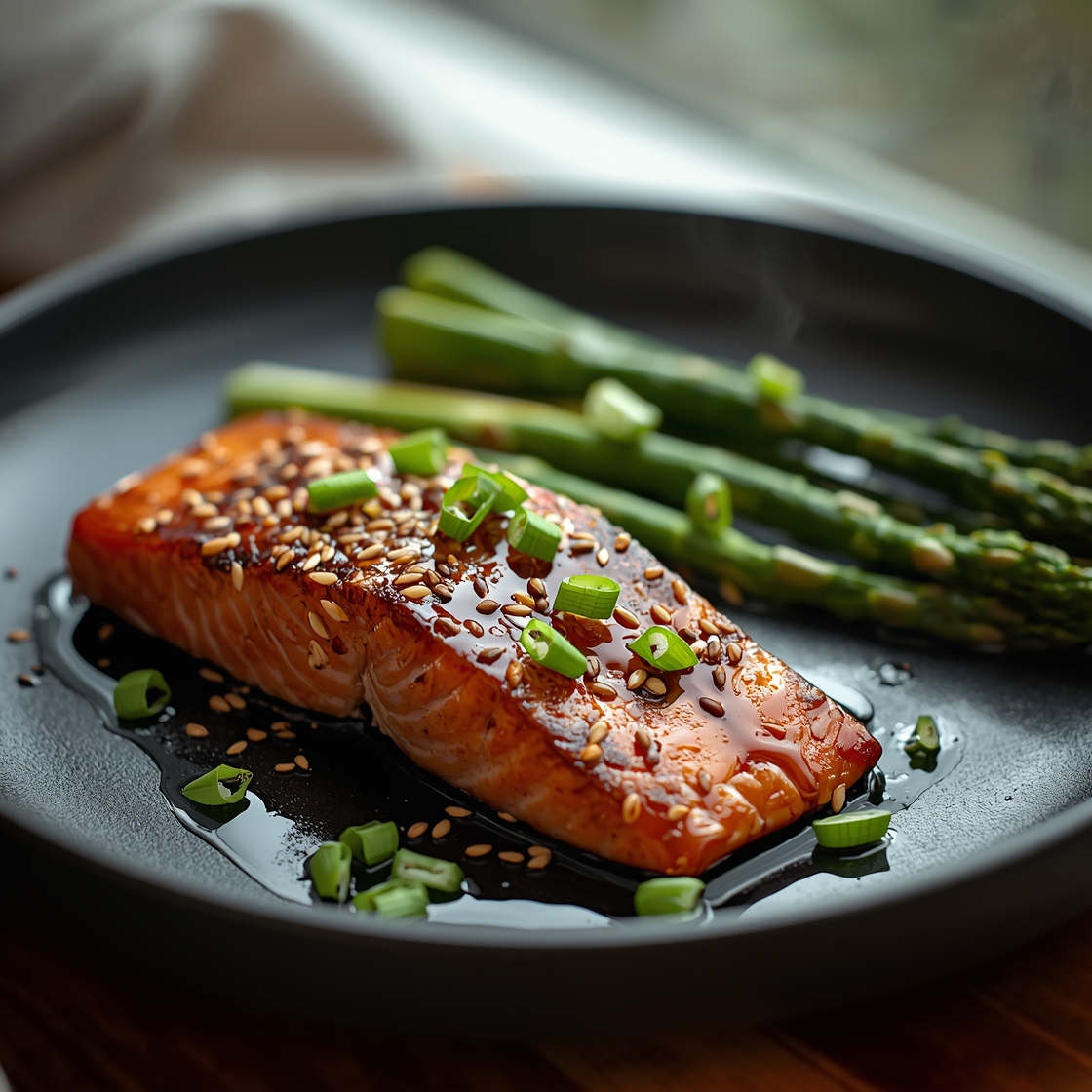 Anti-Inflammatory
 Ginger Soy Glazed Salmon
Perfectly seared salmon with a sweet-savory ginger soy glaze. Rich in omega-3s for fighting gut inflammation.