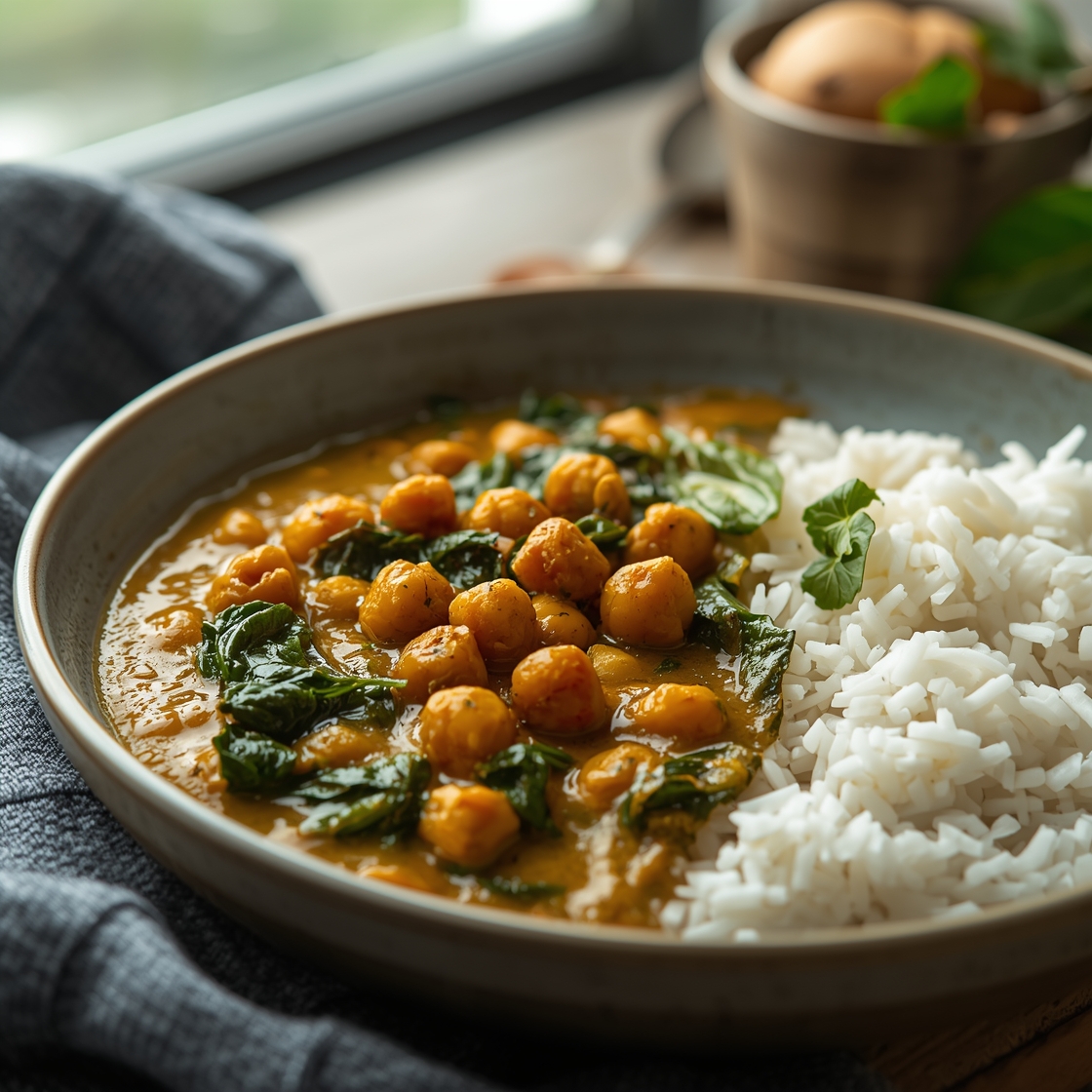
One-Pot Chickpea & Spinach Curry
A creamy, aromatic chickpea curry packed with fiber and anti-inflammatory spices. Ready in 30 minutes with minimal cleanup.
Gut Health Benefit
Chickpeas are one of the best sources of both soluble and insoluble fiber. The resistant starch in chickpeas acts as a prebiotic, while the turmeric and ginger provide powerful anti-inflammatory support for your gut lining.
Why This Recipe Is Great for Your Gut
This one-pot chickpea curry delivers an impressive 13 grams of fiber per serving while taking just 30 minutes from start to table. It is the kind of meal that proves gut-healthy eating does not have to be complicated, time-consuming, or bland. Every ingredient in this dish has been chosen for a specific digestive purpose.
Chickpeas are nutritional titans in the legume world. They contain both soluble and insoluble fiber in roughly equal proportions, which means they simultaneously feed your beneficial bacteria and support healthy bowel motility. What makes chickpeas particularly special is their high resistant starch content. Resistant starch behaves like a prebiotic — it passes undigested through the upper GI tract and arrives in the colon where your gut flora ferments it into short-chain fatty acids (SCFAs), especially butyrate. Regular chickpea consumption has been associated with increased populations of Roseburia and Faecalibacterium, two bacterial genera that play critical roles in maintaining intestinal barrier integrity and reducing systemic inflammation.
The aromatic spice base of this curry does far more than add flavor. Turmeric provides curcumin, a polyphenol with over 12,000 published studies supporting its anti-inflammatory properties. In the gut specifically, curcumin modulates the NF-κB inflammatory pathway and reduces the production of pro-inflammatory cytokines in the intestinal lining. Fresh ginger contains gingerols and shogaols — bioactive compounds that stimulate gastric motility and help prevent the uncomfortable bloating that some people experience when increasing their fiber intake. Together, these spices transform this curry into a functional food that actively supports digestive healing.
The coconut milk base adds medium-chain triglycerides (MCTs), which are easier to digest than long-chain fats and provide quick energy without taxing the digestive system. The spinach stirred in at the end delivers folate, iron, and additional fiber — all critical nutrients for maintaining a healthy, well-functioning gut.
Key Ingredients for Gut Health
Chickpeas
Chickpeas (also called garbanzo beans) deliver approximately 12.5 grams of fiber per cup cooked. They are one of the few foods that provide significant amounts of both soluble and insoluble fiber. The soluble fiber is fermented by colonic bacteria into SCFAs, while the insoluble fiber adds bulk and promotes regular bowel movements. Chickpeas also contain raffinose, an oligosaccharide that specifically feeds Bifidobacteria. Studies published in the British Journal of Nutrition have shown that just 4 weeks of regular chickpea consumption significantly increases microbial diversity.
Turmeric & Ginger
This is one of the most powerful spice combinations in gut health science. Turmeric’s curcumin is poorly absorbed on its own, but the piperine in black pepper and the fats in coconut milk dramatically increase its bioavailability (by up to 2,000% according to some studies). In the gut, curcumin reduces the expression of TNF-α and IL-6, two inflammatory markers associated with IBS, Crohn’s disease, and ulcerative colitis. Ginger complements this by accelerating gastric emptying — reducing the time food spends in the stomach, which minimizes fermentation-related bloating.
Spinach
Fresh spinach is rich in thylakoids — plant cell membranes that have been shown to increase satiety and reduce cravings. From a gut health perspective, spinach provides folate (essential for gut cell regeneration), magnesium (supports smooth muscle function in the intestines), and non-heme iron. The fiber in spinach is predominantly insoluble, adding valuable textural diversity to the fiber profile of this meal and supporting regular motility.
Ingredients
- 2 cans (15 oz each) chickpeas, drained and rinsed
- 1 can (14 oz) full-fat coconut milk
- 1 can (14 oz) diced tomatoes
- 4 cups fresh baby spinach, packed
- 1 large onion, diced
- 4 cloves garlic, minced
- 1 tbsp fresh ginger, grated
- 2 tbsp olive oil or coconut oil
- 2 tbsp curry powder
- 1 tsp turmeric
- 1 tsp cumin
- 1/2 tsp cinnamon
- Salt and pepper to taste
- Fresh cilantro and warm naan or rice for serving
Instructions
- Sauté the aromatics. Heat olive oil in a large pot or Dutch oven over medium heat. Add the diced onion and cook for 5 minutes until softened and translucent, stirring occasionally.
- Bloom the spice paste. Add the minced garlic, grated ginger, curry powder, turmeric, cumin, and cinnamon. Stir constantly for 1 minute until incredibly fragrant. The kitchen should smell aromatic and warm — that means the fat-soluble compounds have activated.
- Build the sauce. Pour in the diced tomatoes (with their juices) and coconut milk. Stir well to combine with the aromatics, scraping up any browned bits from the bottom of the pot.
- Add the chickpeas. Stir in the drained and rinsed chickpeas. Bring the mixture to a gentle boil, then reduce heat to low.
- Simmer until thick. Let the curry simmer uncovered for 15–20 minutes, stirring occasionally, until the sauce has thickened and reduced by about a third. The chickpeas will absorb some of the sauce and become incredibly flavorful.
- Wilt the spinach. Stir in the fresh baby spinach in two batches. Cook for 2–3 minutes until completely wilted. The spinach will reduce dramatically in volume.
- Season and serve. Taste and season generously with salt and pepper. Serve over steamed basmati rice or with warm naan bread, garnished with a shower of fresh cilantro leaves.
Tips
- Boost the fiber: Serve over brown rice instead of white rice for an additional 3g of fiber per serving, pushing the total past 16g per meal.
- Make it spicier: Add 1–2 finely diced green chilies or 1 teaspoon of red chili flakes with the aromatics for a noticeable but balanced heat.
- Meal prep champion: This curry stores beautifully for up to 5 days in the fridge and actually tastes better the next day as the spices continue to develop and meld.
- Crispy chickpea topping: Reserve half a can of chickpeas. Toss them with olive oil, salt, and curry powder, then roast at 400°F for 25 minutes. Add as a crunchy topping right before serving.
Variations & Substitutions
- Sweet Potato Chickpea Curry: Add 2 cups of cubed sweet potato along with the chickpeas. Increase the cooking time by 10 minutes. The sweet potato adds natural sweetness and extra fiber.
- Thai-Inspired Version: Replace the curry powder with 2 tablespoons of Thai red curry paste. Add 1 tablespoon of fish sauce (or soy sauce for vegan) and a squeeze of lime juice at the end. Garnish with Thai basil instead of cilantro.
- Protein Boost: Add 1 cup of cubed firm tofu or tempeh for an extra 15–20g of plant protein per serving. Tempeh is especially beneficial because it is fermented, adding a probiotic element.
- Low-Fat Version: Use light coconut milk instead of full-fat, and increase the diced tomatoes to compensate for the thinner sauce. The curry will be slightly less rich but equally flavorful.
Storage & Meal Prep
- Refrigerator: Store in airtight containers for up to 5 days. The curry thickens as it cools — add a splash of coconut milk or water when reheating.
- Freezer: Freeze in individual portions for up to 3 months. The chickpeas and sauce freeze exceptionally well. Thaw overnight in the fridge and reheat on the stovetop.
- Meal prep strategy: Make a large batch on Sunday. Portion over rice in containers for 4–5 weekday lunches. The reheated curry often tastes even better as the spices have had time to fully develop.
- Rice tip: Cook your rice separately and store it in its own container. Combine when reheating to keep the rice from getting mushy. Cold rice actually contains more resistant starch than freshly cooked rice — a bonus for gut health.
Frequently Asked Questions
Are chickpeas good for gut health?
Absolutely. Chickpeas are one of the best legumes for gut health due to their high content of both soluble fiber (feeds gut bacteria) and resistant starch (acts as a prebiotic). Regular consumption has been shown to increase populations of beneficial Bifidobacteria and Roseburia species, improve bowel regularity, and reduce markers of intestinal inflammation.
Can I use canned chickpeas or should I cook dried ones?
Either works perfectly. Canned chickpeas are pre-cooked and simply need draining and rinsing. If using dried chickpeas, soak them overnight in water, then boil for 60–90 minutes until tender. One cup of dried chickpeas yields about 3 cups cooked. Canned chickpeas are more convenient, while dried chickpeas have a slightly firmer, more satisfying texture.
Is coconut milk healthy for the gut?
Yes — coconut milk contains medium-chain triglycerides (MCTs), which are easier to digest than other fats and do not require bile salts for absorption. Coconut milk also contains lauric acid, which has antimicrobial properties that help keep harmful bacteria in check. The fat in coconut milk is essential in this recipe because it dramatically increases the absorption of curcumin from the turmeric.
Will this curry cause gas?
If you are new to eating chickpeas regularly, you may experience some initial gas. This is completely normal and subsides within 1–2 weeks as your gut bacteria adapt. To minimize gas: rinse canned chickpeas thoroughly, start with smaller portions, and gradually increase. The ginger and cumin in this recipe are specifically included to aid digestion and reduce bloating.
How can I make this nut-free?
This recipe is already completely nut-free. Coconut is classified as a fruit, not a tree nut, and the FDA does not categorize it as one of the major allergens. However, if you have a specific coconut allergy, substitute the coconut milk with cashew cream or oat cream for a similarly rich texture.
More High Fiber Recipes
 High Fiber
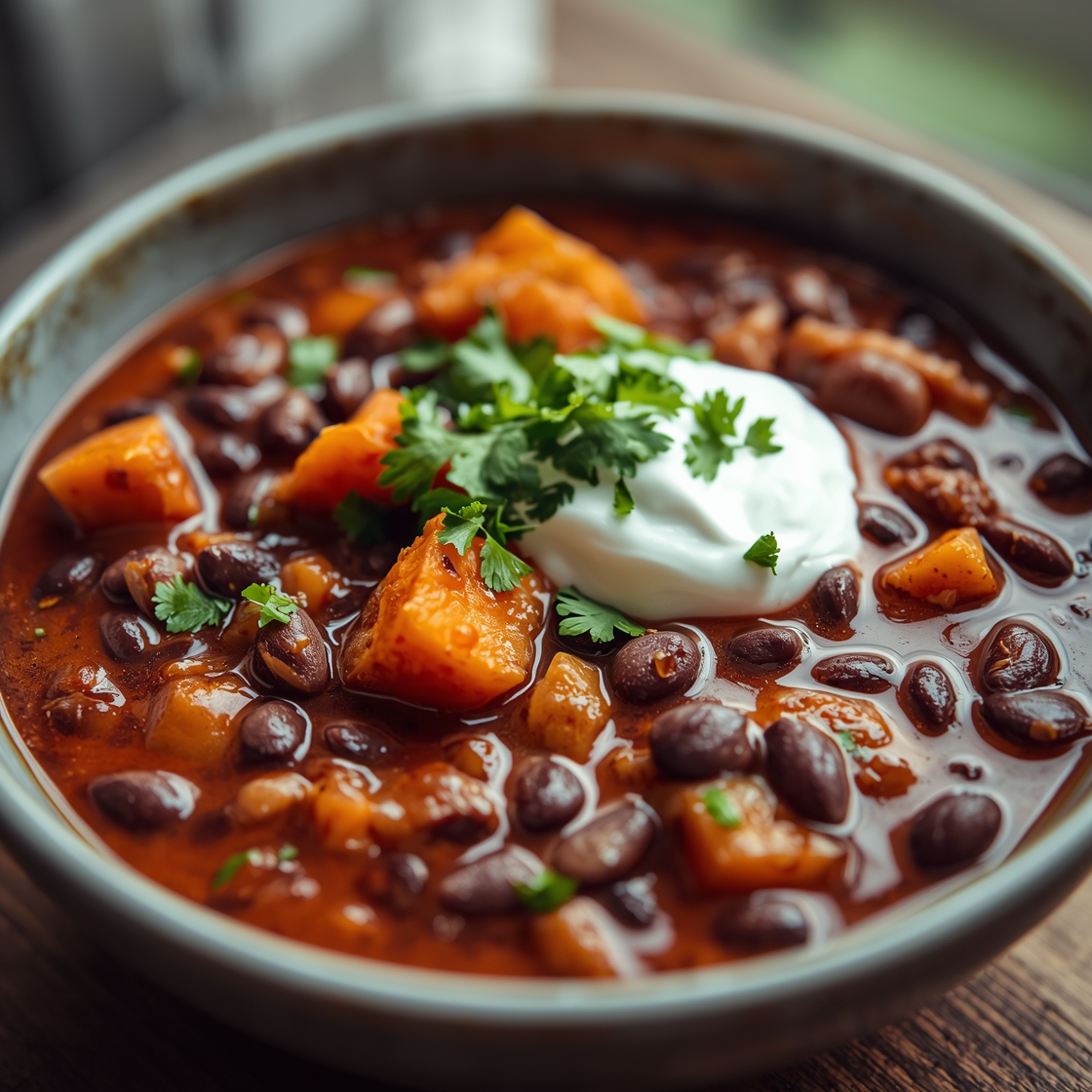
 Black Bean & Sweet Potato Chili
A thick, smoky chili loaded with black beans and sweet potatoes — comfort food that your gut bacteria will love.
 High Fiber
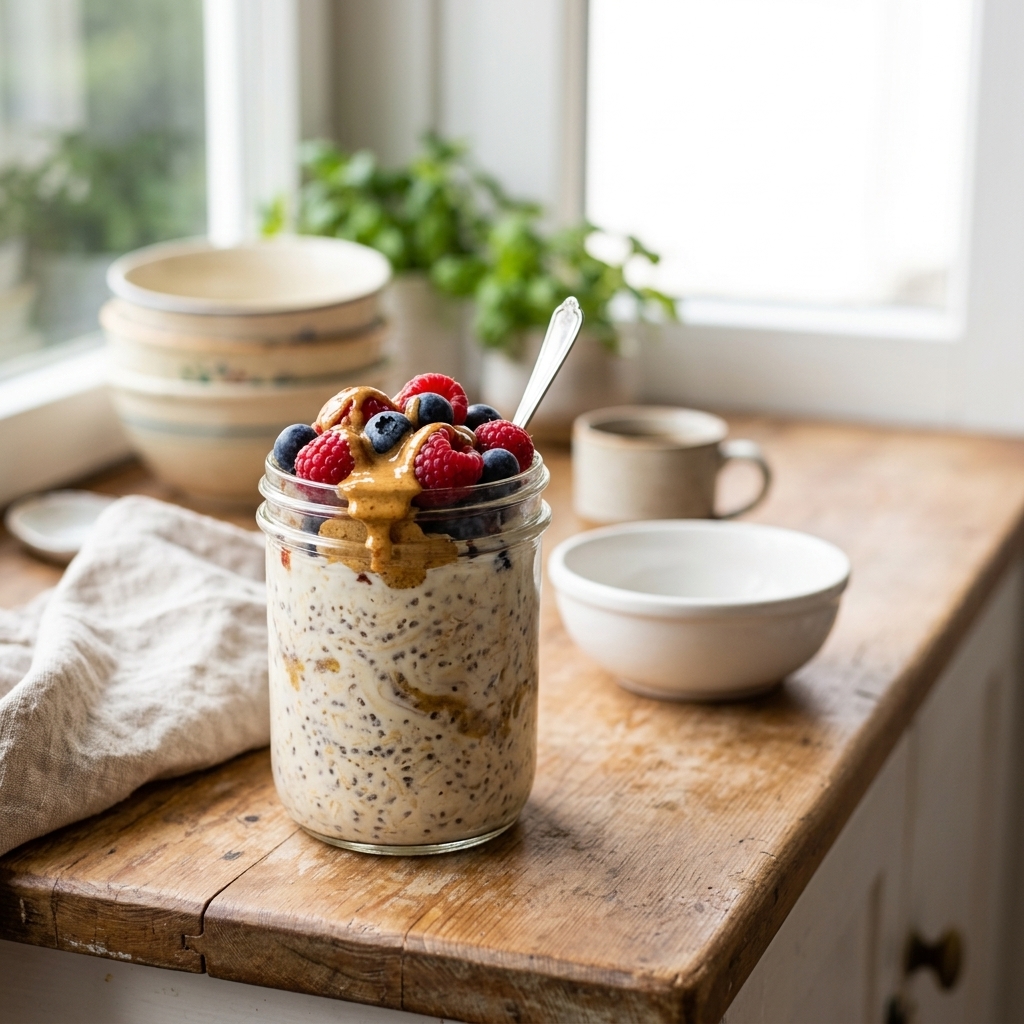
 Overnight Oats with Chia & Berries
Creamy overnight oats loaded with fiber-rich chia seeds, fresh berries, and a drizzle of honey. The perfect make-ahead breakfast.
 High Fiber
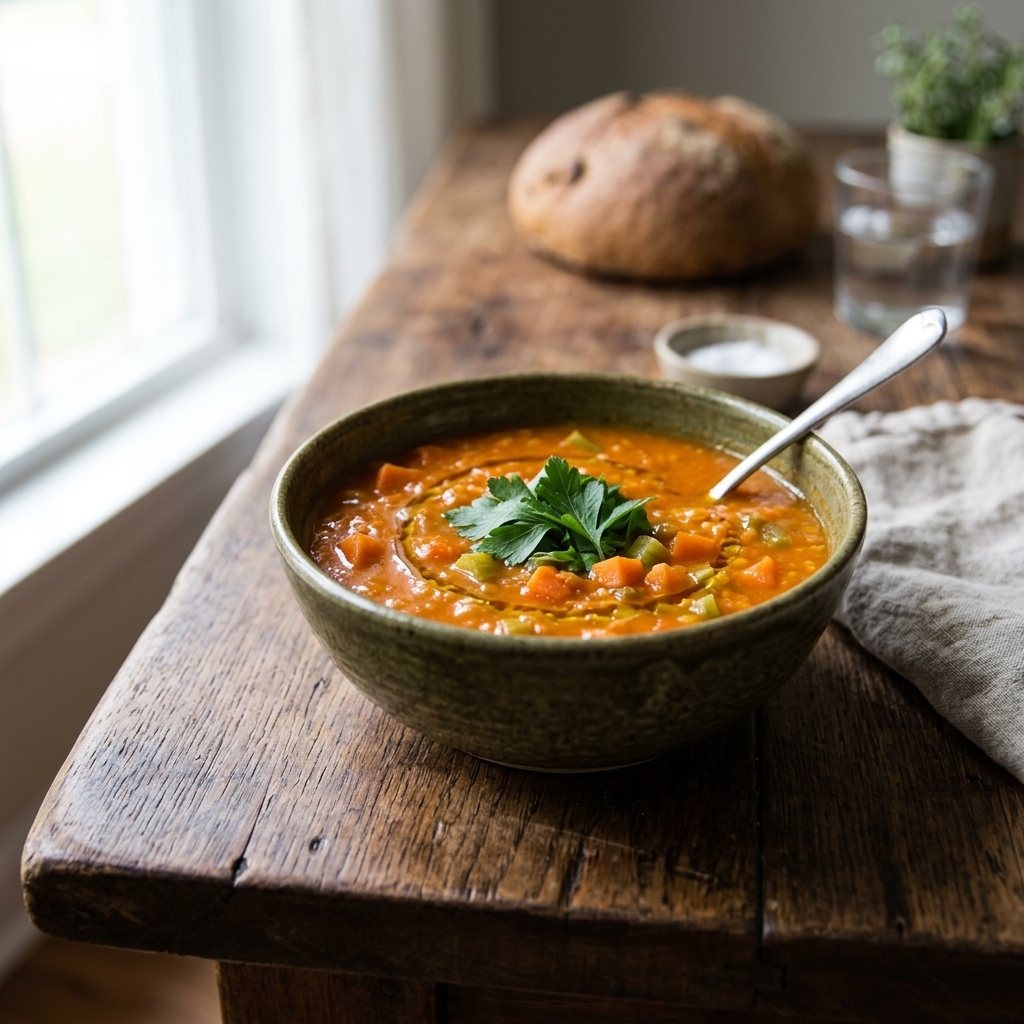
 Hearty Red Lentil & Veggie Soup
A warming, fiber-packed red lentil soup loaded with vegetables and aromatic spices. Perfect for meal prep and gut health.