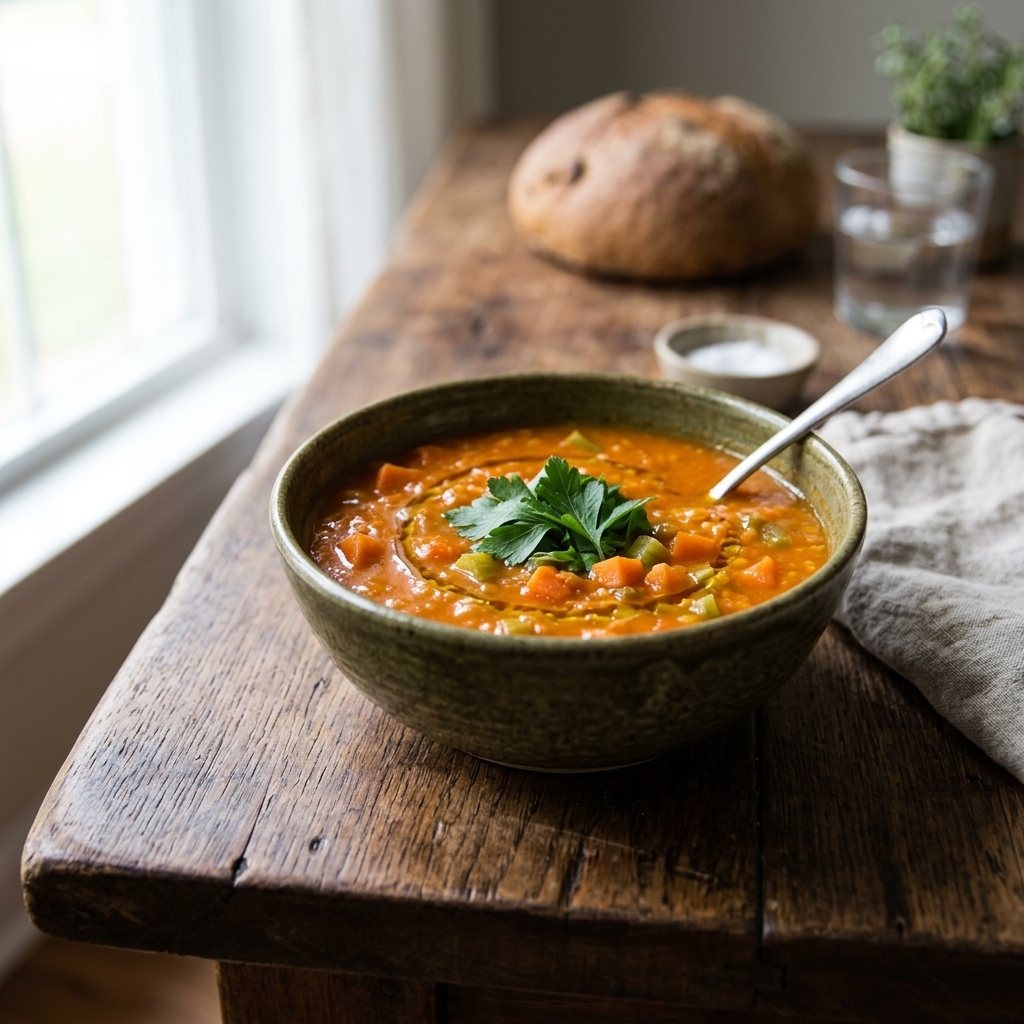
Hearty Red Lentil & Veggie Soup
A warming, fiber-packed red lentil soup loaded with vegetables and aromatic spices. Perfect for meal prep and gut health.
Gut Health Benefit
Red lentils are an exceptional source of both soluble and insoluble fiber. The soluble fiber feeds beneficial gut bacteria, while cumin and turmeric provide anti-inflammatory benefits to the digestive lining.
Why This Recipe Is Great for Your Gut
Red lentils are a true fiber powerhouse, delivering 14 grams of fiber per serving in this recipe alone. To put that in perspective, that is nearly half of your daily recommended intake in just one comforting bowl. But it is not just about the quantity of fiber — the type of fiber is what makes this meal so special for your digestive system and microbiome.
Lentils are inherently rich in soluble fiber, a compound that acts as a powerful prebiotic. Because human bodies cannot digest it, this fiber travels intact to your colon where your beneficial gut bacteria — primarily Bifidobacteria and Lactobacillus — begin to ferment it. This critical fermentation process produces short-chain fatty acids (SCFAs), particularly butyrate. Butyrate is the primary source of energy for the colonocytes (the cells lining your colon). It helps maintain tight junctions in the gut barrier, reducing the risk of intestinal permeability (“leaky gut”) and calming systemic inflammation throughout your entire body.
In addition to the lentils, this recipe heavily relies on a classic mirepoix base of onions, carrots, and celery. Onions are famously high in inulin and fructooligosaccharides (FOS), which are top-tier prebiotic fibers. Every spoonful of this soup is essentially delivering premium fertilizer directly to your gut garden.
Finally, we have included a specific blend of gut-healing aromatic spices: cumin, turmeric, and smoked paprika. Turmeric contains curcumin, a compound heavily researched for its profound anti-inflammatory properties, particularly within the gastrointestinal tract. When you cook this soup, the fat from the olive oil actually helps your body absorb the curcumin much more effectively than taking it raw. Cumin, traditionally used in Ayurvedic medicine, stimulates the production of pancreatic enzymes, making the massive amount of fiber in this dish much easier to break down without bloating.
This is more than just a cozy winter soup — it is a strategically designed, anti-inflammatory, prebiotic-rich meal that supports smooth digestion, promotes microbial diversity, and keeps your blood sugar stable for hours.
Key Ingredients for Gut Health
Red Lentils
Red lentils are the fastest-cooking member of the legume family, breaking down in just 25 minutes into a naturally creamy texture. Unlike green or brown lentils, they do not require soaking. One cup of cooked red lentils delivers roughly 16 grams of fiber and 18 grams of plant protein. Their soluble fiber content is particularly high, which means they generate more short-chain fatty acids in the colon than most other legumes. For people new to a high-fiber diet, red lentils are one of the gentlest legumes on the stomach because of how soft they become during cooking.
Turmeric & Cumin
This spice duo is a classic of both Ayurvedic and Middle Eastern medicine. Turmeric’s active compound, curcumin, has been the subject of over 12,000 peer-reviewed studies. In the gut specifically, curcumin helps reduce the expression of inflammatory cytokines (TNF-α and IL-6) in the intestinal lining. Cumin complements this by stimulating bile production and pancreatic enzymes, which helps your body break down the dense fiber in lentils without gas or bloating. Cooking both spices in olive oil dramatically improves their bioavailability.
Onions & Garlic
Together, onions and garlic are considered the gold standard of prebiotic foods. Onions are one of the richest dietary sources of inulin — a long-chain fructan that selectively feeds Bifidobacteria. Garlic contains fructooligosaccharides (FOS) and allicin, which has natural antimicrobial properties that help keep pathogenic bacteria in check. When you sauté them as the base of this soup, you are building a foundation of prebiotic nutrition that every other ingredient builds upon.
Ingredients
- 2 cups red lentils, rinsed
- 1 large onion, diced
- 3 carrots, diced
- 3 celery stalks, diced
- 4 cloves garlic, minced
- 1 can (14 oz) diced tomatoes
- 6 cups vegetable broth
- 2 tbsp olive oil
- 1 tsp cumin
- 1 tsp turmeric
- 1/2 tsp smoked paprika
- Salt and pepper to taste
- Fresh lemon juice for serving
- Fresh parsley for garnish
Instructions
- Sauté the aromatics. Heat olive oil in a large pot or Dutch oven over medium heat. Add the diced onion, carrots, and celery. Cook for 5–7 minutes, stirring occasionally, until the vegetables have softened and the onion is translucent.
- Bloom the spices. Add the minced garlic, cumin, turmeric, and smoked paprika. Stir constantly for about 1 minute until the spices are fragrant and the garlic is golden. This step is critical — blooming spices in oil releases their fat-soluble compounds and dramatically increases the bioavailability of curcumin.
- Add the liquids and lentils. Pour in the rinsed red lentils, diced tomatoes (with their juices), and vegetable broth. Stir everything together until well combined.
- Simmer until tender. Bring the soup to a boil, then immediately reduce the heat to low. Cover the pot and let it simmer gently for 25–30 minutes, stirring every 8–10 minutes to prevent the lentils from sticking to the bottom. The lentils are done when they have completely broken apart and the soup has thickened naturally.
- Season and brighten. Remove the pot from heat. Season generously with salt, pepper, and a big squeeze of fresh lemon juice. The acidity from the lemon is important — it balances the earthy sweetness of the lentils and turmeric.
- Serve. Ladle the soup into bowls. Garnish with fresh parsley, a drizzle of extra-virgin olive oil, and an extra wedge of lemon on the side.
Tips
- Meal prep friendly: This soup thickens considerably as it cools. When reheating, add a splash of broth or water to bring it back to your preferred consistency. It tastes even better on day two and three as the flavors develop.
- Add more fiber: Stir in a handful of spinach or kale in the last 5 minutes of cooking. Baby spinach wilts instantly and adds virtually no extra cooking time.
- Make it creamy: Use an immersion blender to partially blend the soup — pulse 4–5 times to create a creamy base while keeping some chunky texture. This also releases more starch from the lentils, making the soup even thicker.
- Spice it up: Add a pinch of cayenne pepper or a teaspoon of harissa paste for a North African–inspired heat that pairs beautifully with the cumin and turmeric.
Variations & Substitutions
- Coconut Lentil Soup: Replace 2 cups of the vegetable broth with one can of full-fat coconut milk. Add 1 tsp of curry powder along with the cumin and turmeric for a rich, creamy, Indian-inspired version. Top with fresh cilantro instead of parsley.
- Smoky Lentil Soup: Double the smoked paprika to 1 tsp and add 1 diced chipotle pepper in adobo sauce. This creates a deep, smoky flavor profile that pairs well with a squeeze of lime instead of lemon.
- Green Lentil Version: Swap the red lentils for French green (Puy) lentils if you prefer a soup with more texture and bite. Increase the cooking time to 35–40 minutes. Green lentils hold their shape better and have a slightly nuttier, earthier flavor.
- Low-FODMAP Adaptation: If you are sensitive to onions and garlic, substitute the onion with the green tops of 2 leeks and use garlic-infused olive oil instead of fresh garlic cloves. This preserves the flavor while keeping the FODMAP content safe for sensitive stomachs.
Storage & Meal Prep
- Refrigerator: Store in airtight containers for up to 5 days. The soup will thicken significantly — add a splash of broth when reheating.
- Freezer: This soup freezes exceptionally well. Portion into individual containers or freezer bags and freeze for up to 3 months. Thaw overnight in the fridge, then reheat on the stovetop over medium-low heat.
- Meal prep strategy: Make a double batch on Sunday and portion into 5 containers for the entire work week. Pair each portion with a small container of crumbled feta, toasted pumpkin seeds, or a slice of sourdough bread for a complete, balanced lunch.
- Reheating tip: Always reheat on the stovetop rather than the microwave for the best texture. Add liquid gradually until you reach your preferred consistency.
Frequently Asked Questions
Are red lentils good for gut health?
Yes — red lentils are one of the best legumes for gut health. They are exceptionally high in soluble fiber, which acts as a prebiotic to feed beneficial bacteria like Bifidobacteria and Lactobacillus in your colon. When your gut bacteria ferment this fiber, they produce short-chain fatty acids (especially butyrate) that nourish the cells lining your intestine and help maintain a strong gut barrier.
Do I need to soak red lentils before cooking?
No. Unlike chickpeas, kidney beans, or other dried legumes, red lentils do not require soaking. Simply rinse them under cold running water to remove any dust or debris, and they are ready to cook. They break down naturally in 25–30 minutes of simmering, making them one of the fastest and most convenient legumes to prepare.
Can I make this soup in a slow cooker?
Absolutely. Combine all ingredients in your slow cooker and cook on low for 6–8 hours or on high for 3–4 hours. The lentils will break down completely into a very smooth, thick soup. Skip the initial sautéing step if you want a truly hands-off approach — you will lose a small amount of flavor depth from not blooming the spices, but the soup will still be delicious and nutritious.
How much fiber do I need per day?
The recommended daily fiber intake is 25 grams for women and 38 grams for men, according to the American Dietetic Association. One serving of this soup provides 14 grams — that is 37–56% of your daily target in a single bowl. Most Americans only consume about 15 grams per day, so adding a fiber-rich recipe like this to your regular rotation can make a dramatic difference in your digestive health.
Is this soup suitable for a low-FODMAP diet?
In its original form, no — onions and garlic are high-FODMAP foods. However, you can easily adapt this recipe by replacing the onion with the green tops of leeks and using garlic-infused olive oil instead of fresh garlic. See the “Variations & Substitutions” section above for the full low-FODMAP adaptation.
More High Fiber Recipes
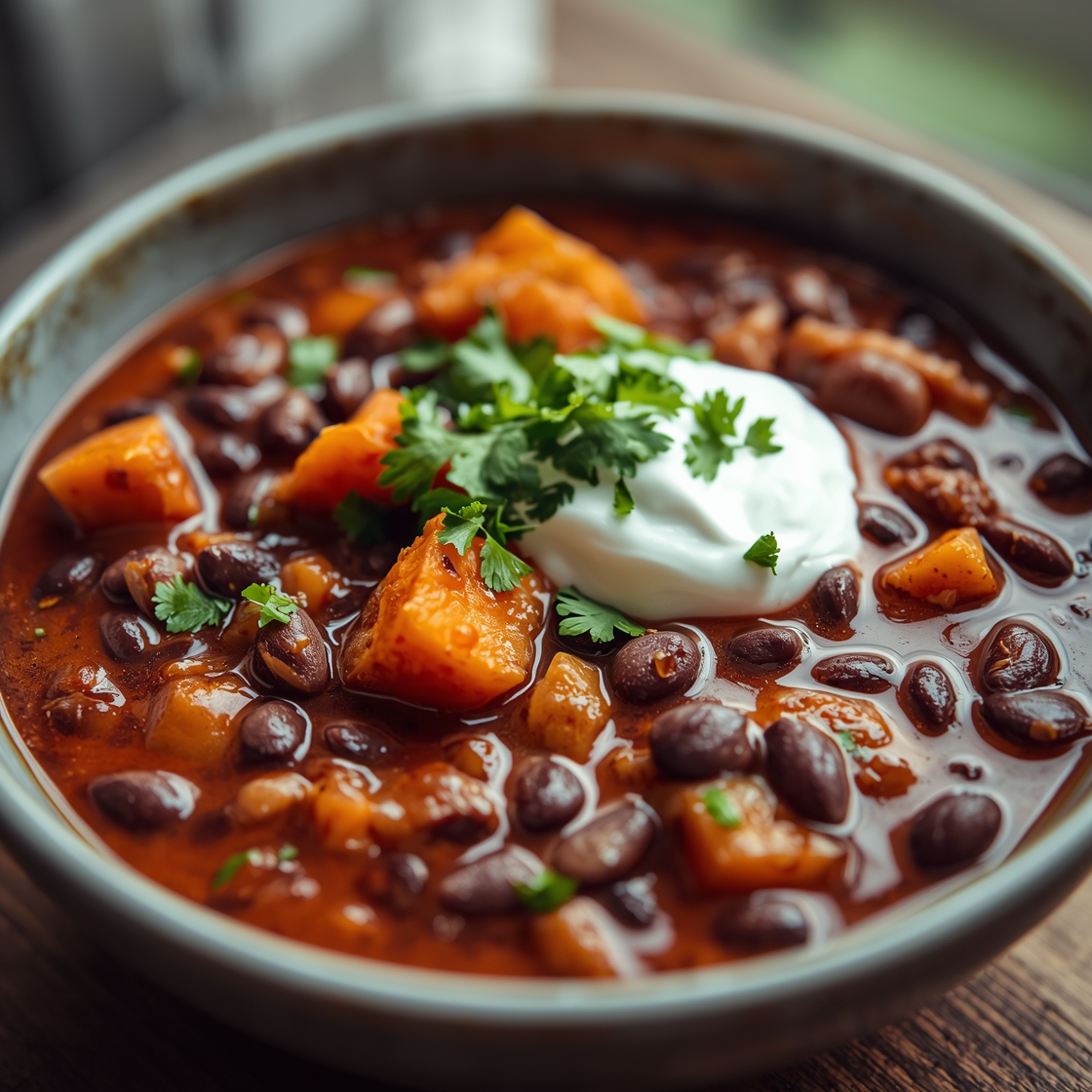 High Fiber
 Black Bean & Sweet Potato Chili
A thick, smoky chili loaded with black beans and sweet potatoes — comfort food that your gut bacteria will love.
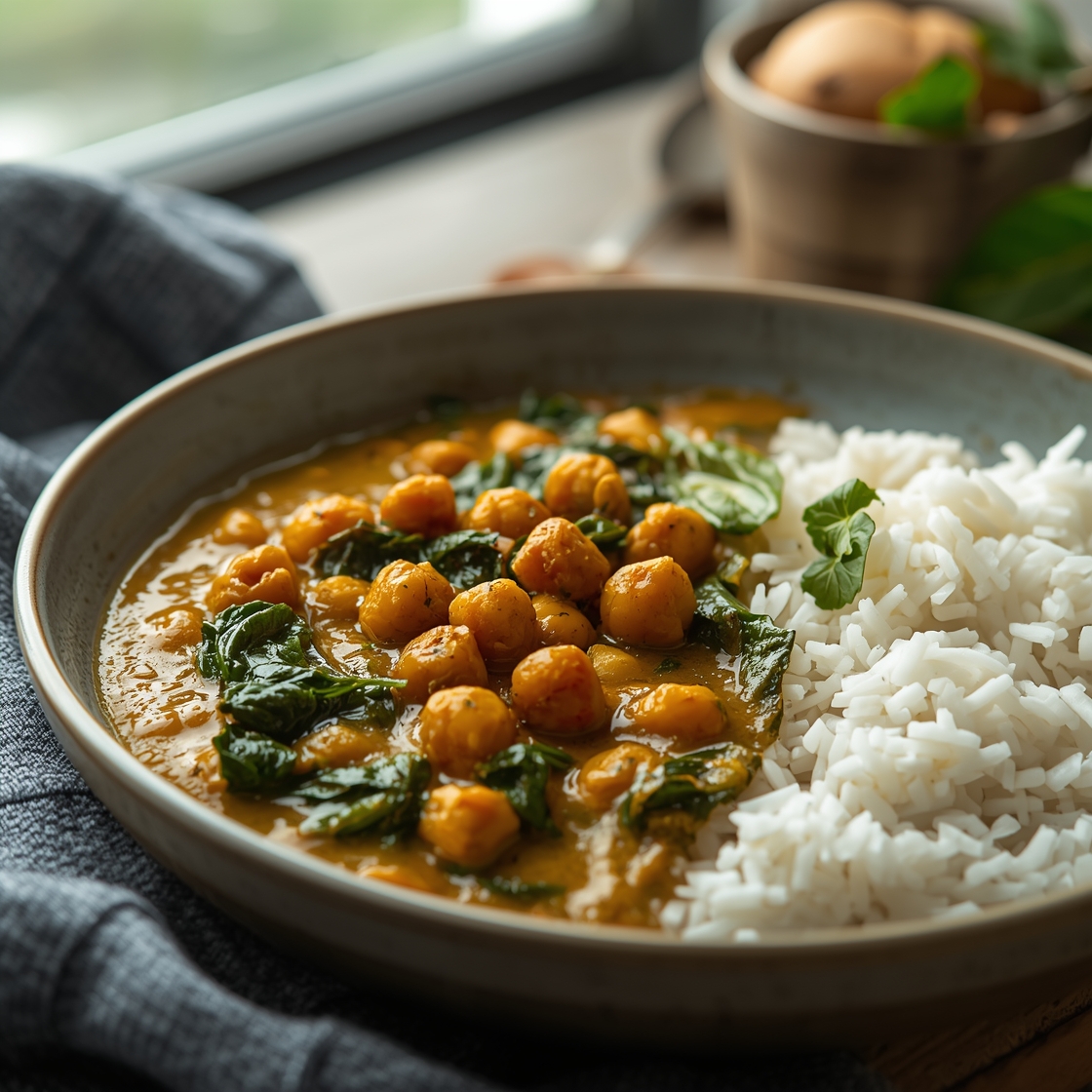 High Fiber
 One-Pot Chickpea & Spinach Curry
A creamy, aromatic chickpea curry packed with fiber and anti-inflammatory spices. Ready in 30 minutes with minimal cleanup.
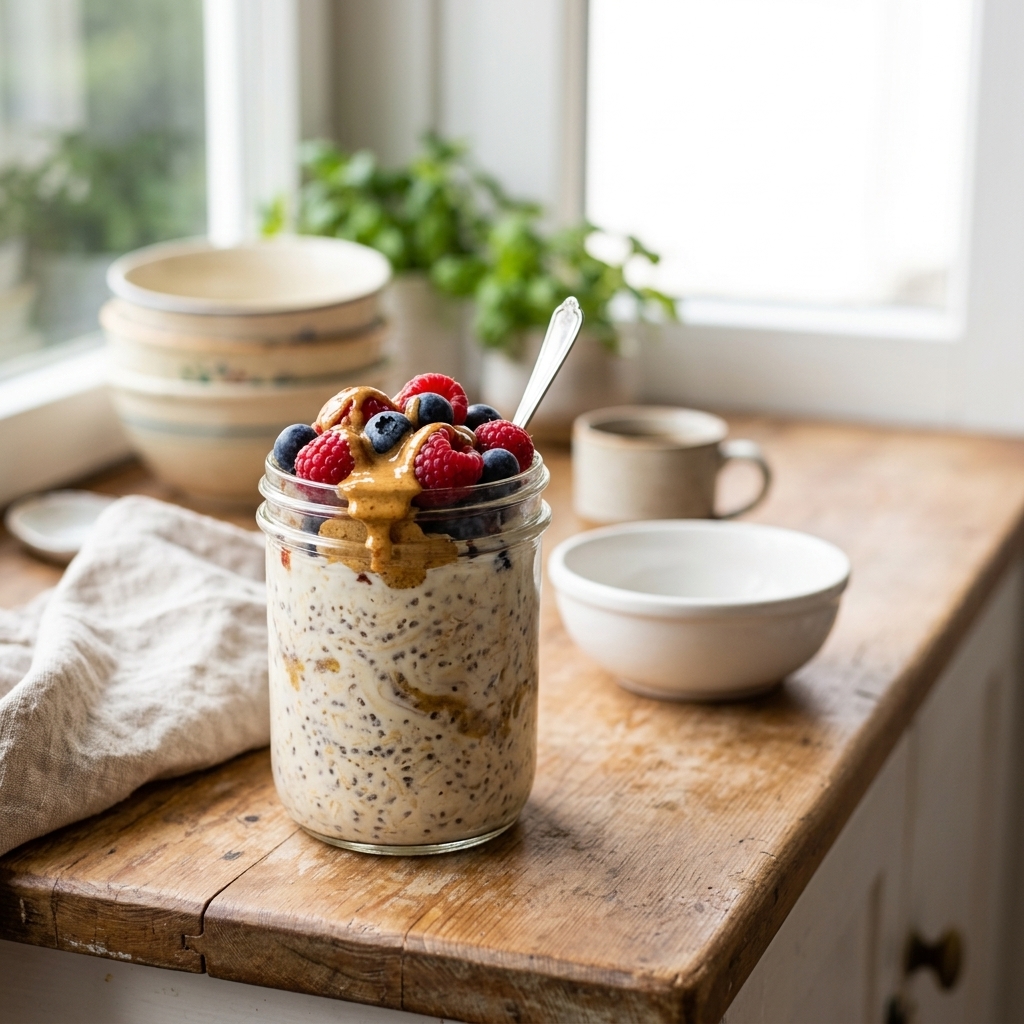 High Fiber
 Overnight Oats with Chia & Berries
Creamy overnight oats loaded with fiber-rich chia seeds, fresh berries, and a drizzle of honey. The perfect make-ahead breakfast.