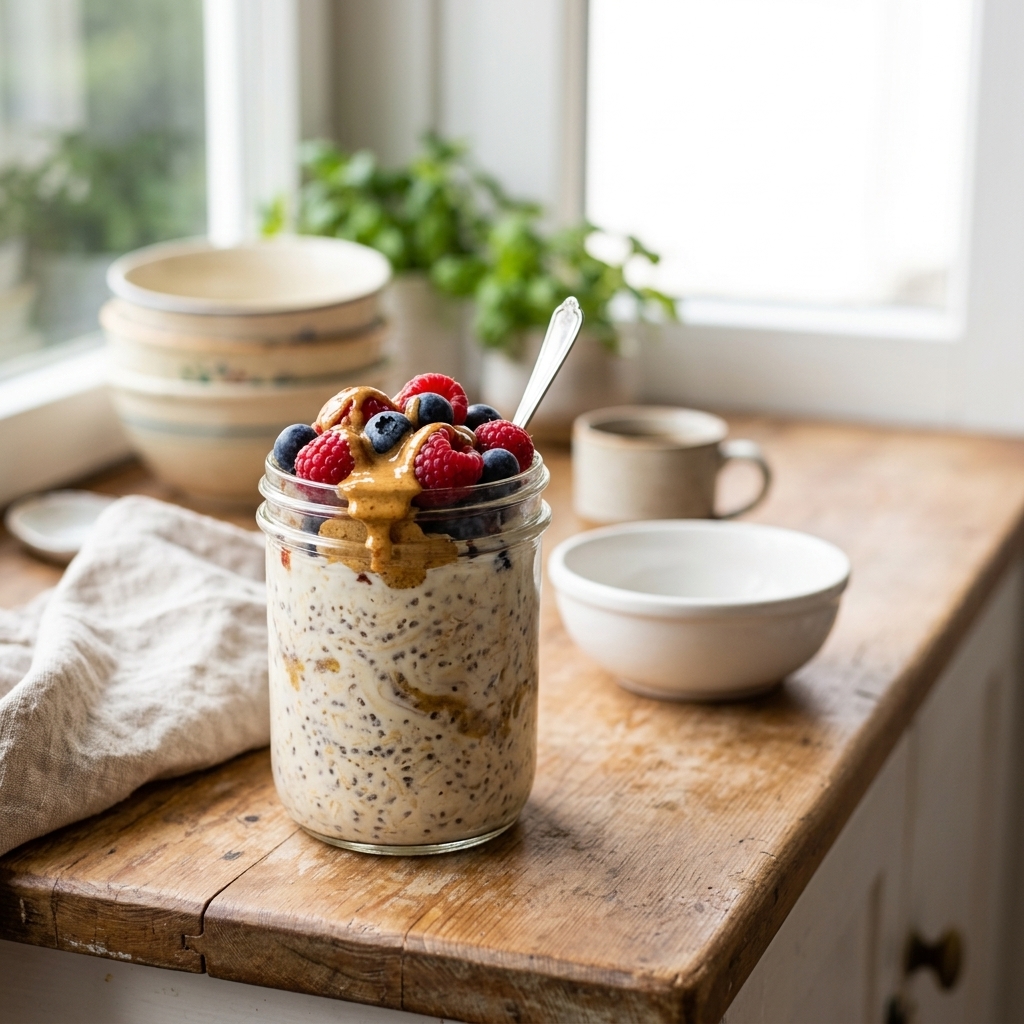
Overnight Oats with Chia & Berries
Creamy overnight oats loaded with fiber-rich chia seeds, fresh berries, and a drizzle of honey. The perfect make-ahead breakfast.
Gut Health Benefit
Oats contain beta-glucan, a soluble fiber that feeds Bifidobacteria and Lactobacillus in your gut. Chia seeds add even more soluble fiber, while berries provide polyphenols that support microbiome diversity.
Why This Recipe Is Great for Your Gut
This Make-Ahead Overnight Oats recipe is an absolute triple threat when it comes to digestive wellness. If you are looking to improve your gut health but struggle with finding time to cook elaborate breakfasts in the morning, this recipe will transform your routine. It delivers 12 grams of high-quality fiber right at the start of your day, setting your digestive system up for success.
The foundation of this recipe relies on rolled oats. Oats are one of the world’s best sources of beta-glucan, a unique type of soluble fiber. Beta-glucan is heavily studied for its ability to lower cholesterol, but its superpower lies in the gut: it selectively stimulates the growth and activity of Bifidobacteria and Lactobacillus species. These are the exact strains of beneficial bacteria you want proliferating in your microbiome.
Adding to this prebiotic base are chia seeds. When chia seeds soak in the milk and yogurt overnight, they absorb up to 12 times their weight in liquid, creating a thick, mucilaginous gel. This gel-forming soluble fiber is extraordinarily soothing to the digestive tract. It helps regulate bowel movements, slows down the absorption of sugars into your bloodstream, and keeps you feeling satiated for hours.
Finally, the generous topping of mixed berries — whether you use blueberries, raspberries, or strawberries — introduces a powerful influx of polyphenols. Polyphenols are antioxidant plant compounds that your body actually struggles to absorb early in digestion. Instead, they travel down to the colon where your gut microbes consume them, releasing health-promoting metabolites in return. By combining the prebiotic beta-glucans in the oats, the soothing gel fibers of the chia, and the microbiome-modulating polyphenols in the berries, you are eating a breakfast perfectly formulated to enhance microbial diversity and heal your gut from the inside out.
Key Ingredients for Gut Health
Rolled Oats
Oats are the foundation of this recipe for good reason. They contain 4 grams of beta-glucan per 100 grams — the highest concentration of any common grain. Beta-glucan is a soluble fiber that forms a viscous gel in the digestive tract, slowing gastric emptying and stabilizing blood sugar. In the colon, it is rapidly fermented by Bifidobacterium species, producing propionate and butyrate. These SCFAs strengthen the gut barrier and reduce intestinal inflammation. Importantly, the overnight soaking process softens the oats and begins to break down their phytic acid, making their minerals (iron, zinc, magnesium) much more bioavailable.
Chia Seeds
Chia seeds are nutritional powerhouses packed into a tiny package. Two tablespoons contain approximately 10 grams of fiber — nearly all of it soluble. When soaked, chia seeds develop a thick gel coating made of mucilage polysaccharides. This gel acts as a gentle, soothing lubricant for your entire digestive tract, reducing friction and irritation. Chia seeds are also one of the richest plant sources of omega-3 fatty acids (ALA), which have anti-inflammatory effects throughout the body, including the gut lining.
Mixed Berries
Berries are among the most polyphenol-dense foods on the planet. Blueberries contain anthocyanins, raspberries are rich in ellagitannins, and strawberries provide pelargonidin. Research from the Journal of Agricultural and Food Chemistry has shown that only about 5–10% of dietary polyphenols are absorbed in the small intestine. The remaining 90% travel to the colon, where they serve as food for beneficial microbes. Regular berry consumption has been associated with increased populations of Akkermansia muciniphila and Lactobacillus — two of the most health-promoting bacterial species in the human gut.
Ingredients
- 1 cup rolled oats (not quick or instant)
- 2 tbsp chia seeds
- 1 1/2 cups milk (dairy or plant-based)
- 1/2 cup Greek yogurt (or coconut yogurt for dairy-free)
- 1 tbsp honey or maple syrup
- 1 tsp vanilla extract
- 1 cup mixed berries (blueberries, raspberries, strawberries)
- 2 tbsp sliced almonds
- Pinch of cinnamon
Instructions
- Combine the base. In a large jar, bowl, or meal prep container, combine the rolled oats, chia seeds, milk, Greek yogurt, honey, vanilla extract, and cinnamon. Stir well to ensure the chia seeds are evenly distributed — they tend to clump if not mixed thoroughly.
- Seal and refrigerate. Cover tightly and place in the refrigerator for at least 4 hours, or ideally overnight (8–12 hours). During this time, the oats will soften, the chia seeds will form their characteristic gel, and the flavors will meld together.
- Check the consistency. In the morning, remove from the fridge and give the oats a good stir. If the mixture is too thick, add a splash of milk (1–2 tablespoons at a time) until you reach your desired consistency.
- Add the toppings. Top generously with fresh mixed berries, sliced almonds, and an extra drizzle of honey or maple syrup if desired. The key to a great parfait is to add the crunchy toppings right before eating so they maintain their texture.
- Enjoy cold. Overnight oats are designed to be eaten cold, straight from the fridge. This is intentional — the cold temperature preserves the probiotics in the yogurt and maximizes the resistant starch content of the oats.
Tips
- Sunday meal prep: Make 5 individual jars on Sunday evening for grab-and-go weekday breakfasts. They stay fresh in the fridge for up to 5 days. Add toppings fresh each morning.
- Boost fiber further: Stir in 1 tablespoon of ground flaxseed for an extra 2g of fiber, or add 1 tablespoon of psyllium husk for an even more powerful prebiotic boost.
- Use steel-cut oats for extra texture: Soak steel-cut oats for at least 12 hours for a chewier, nuttier result. They take longer to soften but provide more insoluble fiber than rolled oats.
- Warm option: If you prefer warm oats, microwave your overnight oats for 60–90 seconds. Note that heating above 115°F will kill the live probiotics in the yogurt, so if probiotic content is your goal, eat them cold.
Variations & Substitutions
- Tropical Paradise: Replace the berries with diced mango, pineapple, and toasted coconut flakes. Use coconut milk as your base liquid and top with macadamia nuts. The bromelain in pineapple aids protein digestion.
- Apple Pie Overnight Oats: Add 1/2 cup of diced apple, 1/2 teaspoon of cinnamon, and a pinch of nutmeg. Top with chopped pecans and a drizzle of maple syrup. The pectin in apples is a powerful prebiotic fiber.
- Chocolate Peanut Butter: Stir in 1 tablespoon of cocoa powder and 1 tablespoon of natural peanut butter. Top with sliced banana and a few chocolate chips. Cocoa is surprisingly rich in polyphenols that benefit gut bacteria.
- Dairy-Free Version: Use coconut yogurt or cashew yogurt instead of Greek yogurt, and oat milk or almond milk as your liquid. The recipe works identically with plant-based alternatives.
Storage & Meal Prep
- Refrigerator: Overnight oats keep beautifully for up to 5 days in sealed jars or containers in the fridge. They will continue to thicken over time — simply add a splash of milk when ready to eat.
- Freezer: You can freeze overnight oats in individual portions for up to 2 months. Thaw overnight in the fridge. The texture will be slightly softer than fresh, but the nutrition and taste remain excellent.
- Best containers: Wide-mouth mason jars (16 oz) are the gold standard for overnight oats. They are the perfect single-serving size, easy to eat from, and stack neatly in the fridge.
- Prep the base, add toppings fresh: For the best texture, prepare the oat-chia-milk base ahead of time but add the berries, nuts, and honey topping each morning just before eating.
Frequently Asked Questions
Are overnight oats healthy for your gut?
Yes — overnight oats are one of the most gut-friendly breakfasts you can eat. The combination of beta-glucan from oats, soluble fiber from chia seeds, probiotics from yogurt, and polyphenols from berries creates a synbiotic effect (probiotics + prebiotics working together). The overnight soaking process also begins breaking down phytic acid, making the nutrients more bioavailable and the oats easier to digest.
Do overnight oats cause bloating?
For most people, overnight oats are very gentle on the stomach. The soaking process pre-digests the oats, breaking down some of the starches and reducing the likelihood of bloating. If you do experience gas, it is likely from the chia seeds — start with 1 tablespoon instead of 2 and gradually increase as your gut adapts to the higher fiber content.
Can I use quick oats or instant oats?
You can, but rolled oats are strongly recommended. Quick oats will become very mushy and lose their texture entirely after soaking overnight. Rolled oats maintain a pleasant, chewy bite. Steel-cut oats are another excellent option — they require at least 12 hours of soaking but provide the most texture and a slightly nuttier flavor.
How many calories are in overnight oats?
This recipe yields approximately 320 calories per serving (2 servings total). The calorie count is easily adjusted: use water instead of milk for fewer calories, or add nut butters and granola for a more substantial meal. The 12 grams of fiber and 11 grams of protein ensure you stay full until lunch.
Are overnight oats better hot or cold?
For maximum gut health benefits, eat them cold. Cold oats contain more resistant starch than heated oats, and the probiotics in the yogurt remain alive at cold temperatures. However, if you strongly prefer warm breakfasts, you can gently heat them — just know that the probiotic benefit will be reduced.
More High Fiber Recipes
 High Fiber
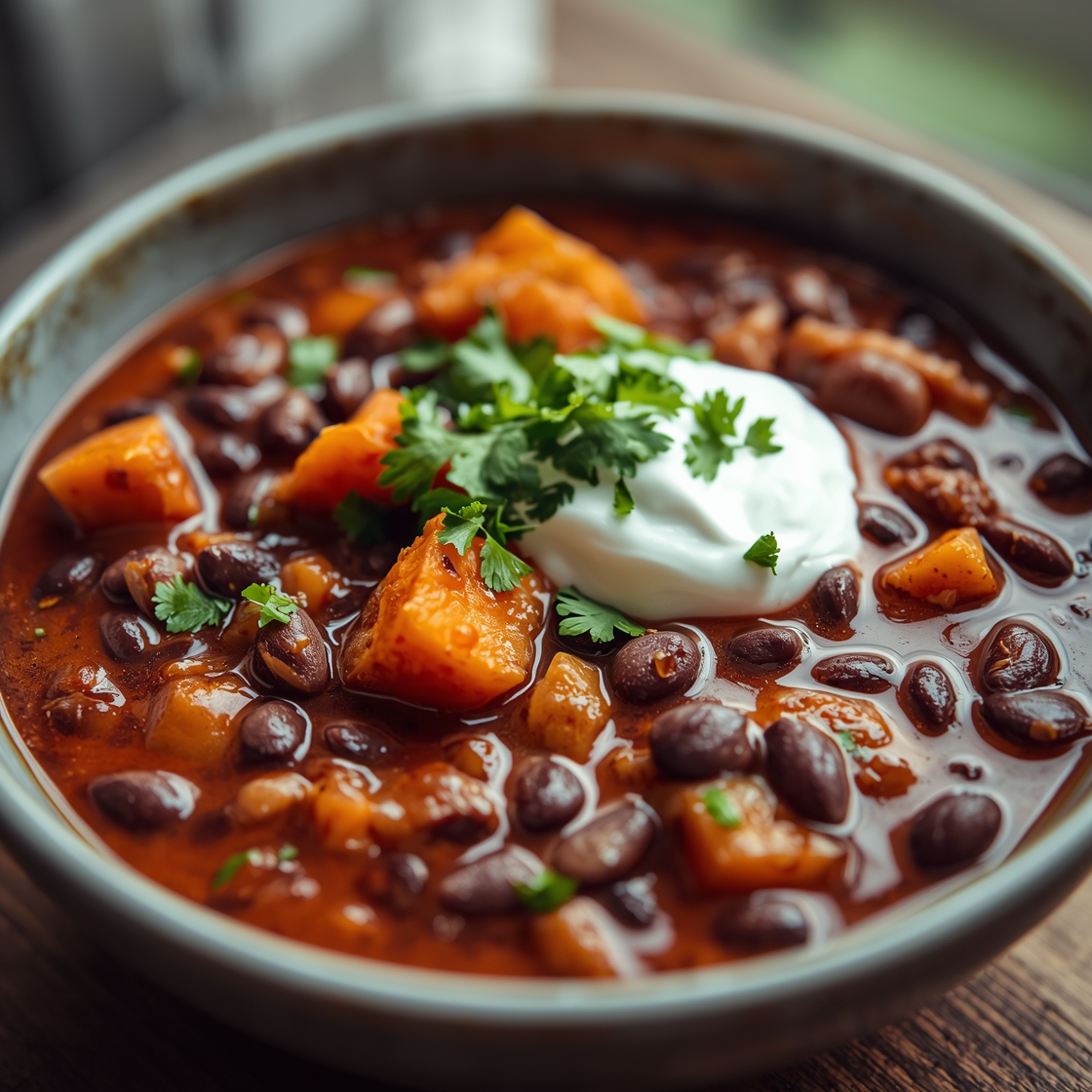
 Black Bean & Sweet Potato Chili
A thick, smoky chili loaded with black beans and sweet potatoes — comfort food that your gut bacteria will love.
 High Fiber
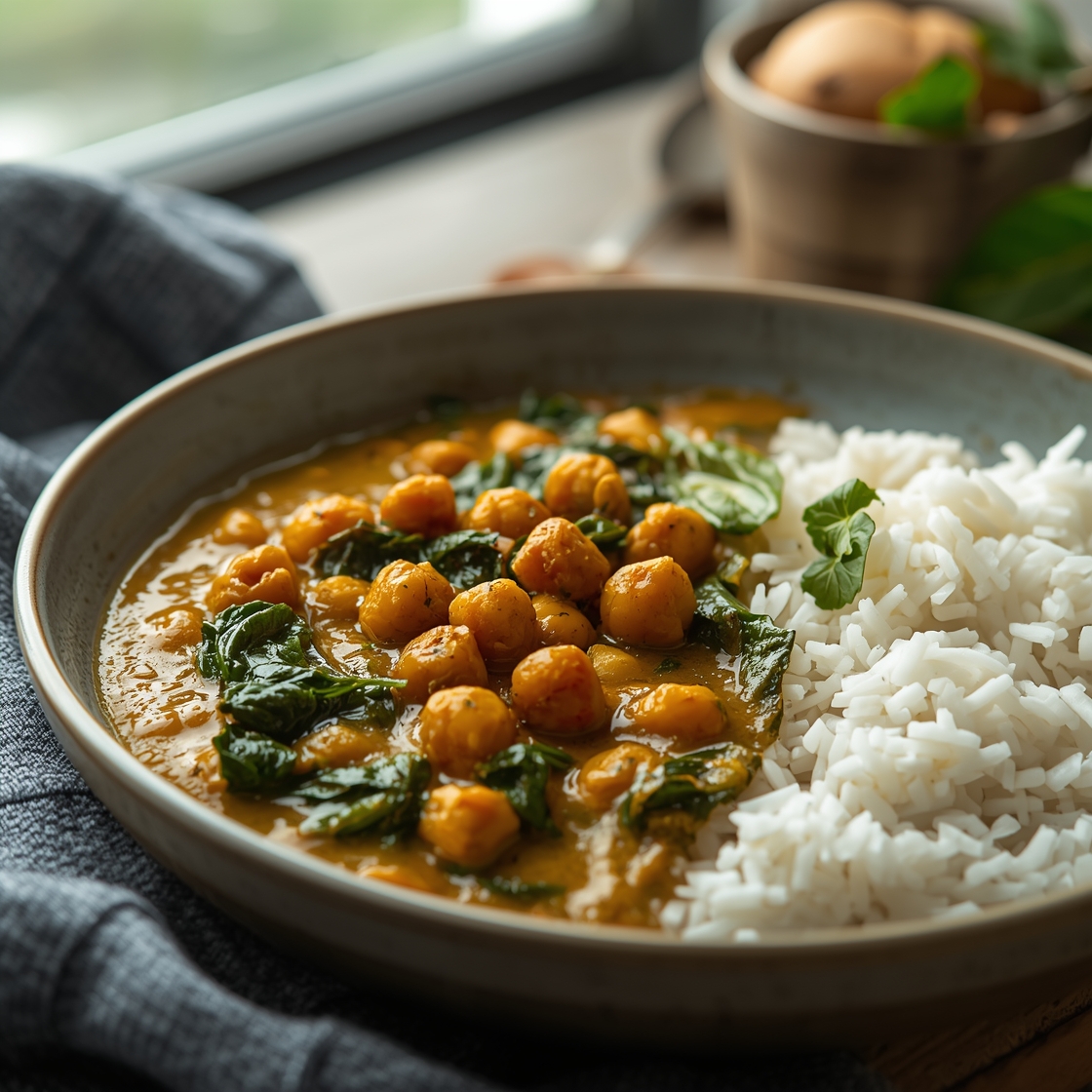
 One-Pot Chickpea & Spinach Curry
A creamy, aromatic chickpea curry packed with fiber and anti-inflammatory spices. Ready in 30 minutes with minimal cleanup.
 High Fiber
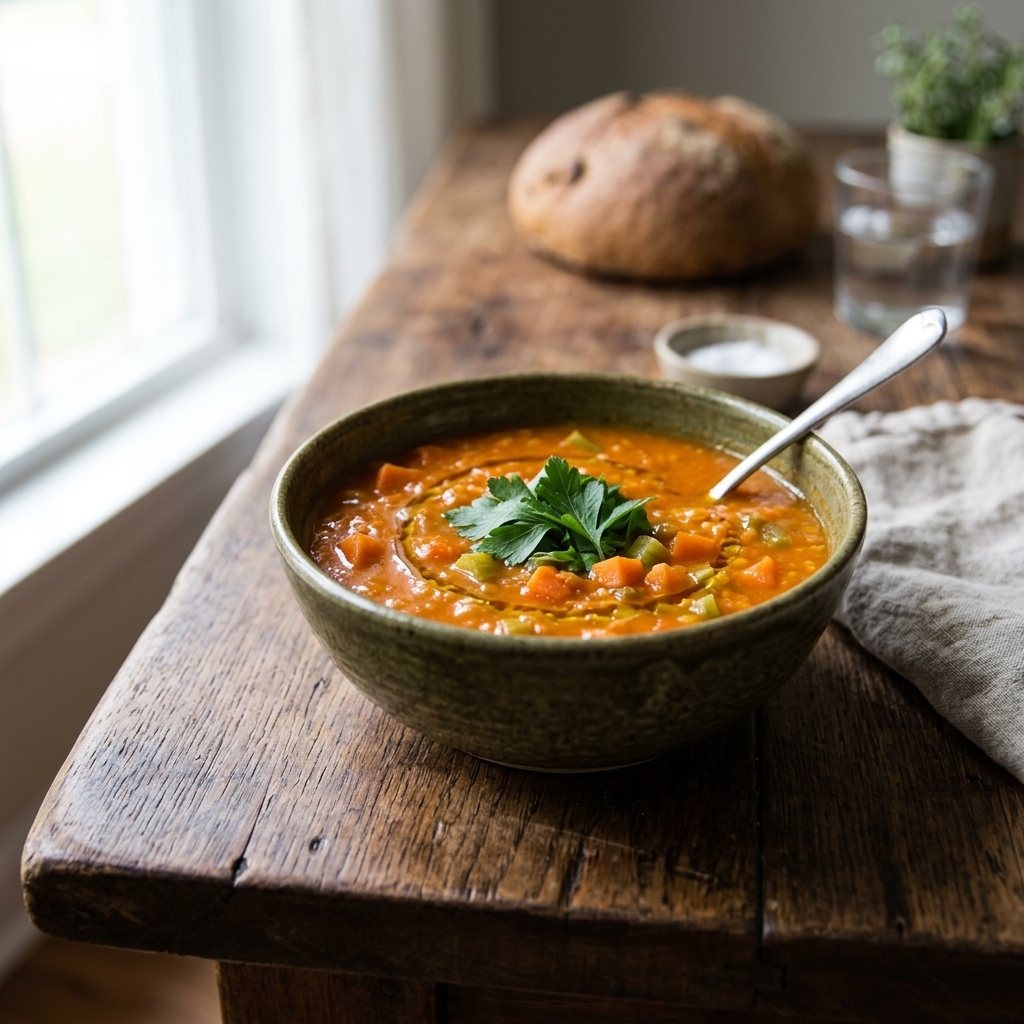
 Hearty Red Lentil & Veggie Soup
A warming, fiber-packed red lentil soup loaded with vegetables and aromatic spices. Perfect for meal prep and gut health.