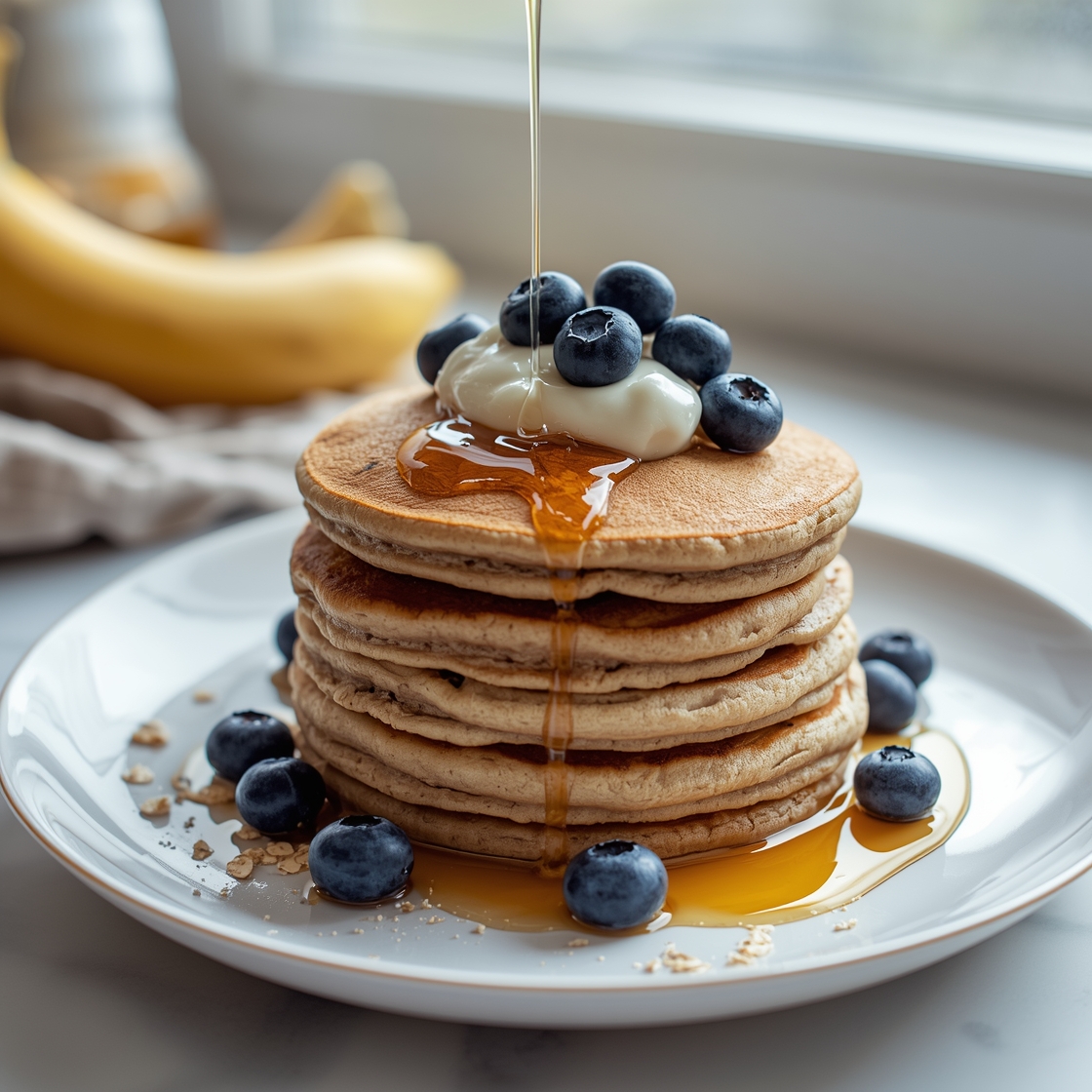
Banana Oat Pancakes with Honey
Fluffy, naturally sweet pancakes made with ripe bananas and oats — a prebiotic-rich breakfast the whole family will love.
Gut Health Benefit
Ripe bananas are rich in fructooligosaccharides (FOS), a type of prebiotic that stimulates the growth of beneficial Bifidobacteria. Oats add beta-glucan fiber that further nourishes gut microbes.
Why This Recipe Is Great for Your Gut
These pancakes are proof that gut-healthy eating can be indulgent, comforting, and family-friendly — all at the same time. By replacing traditional wheat flour with oats and ripe bananas, you transform an everyday breakfast into a prebiotic powerhouse that delivers 5 grams of gut-nourishing fiber per serving.
The magic ingredient is overripe bananas — the ones with brown spots that most people throw away. As bananas ripen, their starch content converts to simple sugars (which is why they taste sweeter), but they simultaneously increase their concentration of fructooligosaccharides (FOS). FOS is a short-chain prebiotic fiber that is rapidly fermented by Bifidobacteria in the colon. Studies published in the British Journal of Nutrition have shown that FOS supplementation at doses as low as 5 grams per day significantly increases Bifidobacterium populations within just 2 weeks. Two overripe bananas provide approximately 2–3 grams of FOS.
The oats add a completely different — and complementary — type of prebiotic fiber: beta-glucan. Beta-glucan is a soluble fiber that forms a viscous gel in the digestive tract, slowing gastric emptying and stabilizing blood sugar levels. This prevents the blood sugar spikes and crashes that are common with traditional pancakes made from refined flour. In the colon, beta-glucan is fermented primarily by Bifidobacterium and Bacteroides species, producing butyrate and propionate — SCFAs that nourish the intestinal lining and reduce systemic inflammation.
By blending the oats into a flour, you make the beta-glucan maximally available. The eggs provide easily digestible protein and choline (essential for liver function), while the cinnamon adds a final anti-inflammatory benefit — cinnamaldehyde, the compound that gives cinnamon its flavor, has been shown to reduce intestinal inflammation and inhibit the growth of Candida species.
Key Ingredients for Gut Health
Ripe Bananas
The brown-spotted bananas sitting on your counter are a prebiotic goldmine. As bananas ripen, enzymatic activity converts their starch into fructooligosaccharides (FOS) and free sugars. One overripe banana contains approximately 1–1.5 grams of FOS — enough to have a measurable prebiotic effect. FOS is selectively metabolized by Bifidobacterium species, making it one of the most “targeted” prebiotic fibers available. Bananas also provide potassium (supporting electrolyte balance during digestion), vitamin B6 (critical for amino acid metabolism), and pectin (a soluble fiber that moderates blood sugar response).
Rolled Oats
Oats provide beta-glucan fiber at a concentration of approximately 4g per 100g — the highest of any common grain. When blended into flour for these pancakes, the beta-glucan is evenly distributed throughout the batter, ensuring every bite delivers prebiotic benefit. Oats are also one of the few grains that contain avenanthramides, unique polyphenols with anti-inflammatory and anti-itch properties. For people with celiac disease, certified gluten-free oats are a safe, gut-friendly option.
Cinnamon
Cinnamon is more than a warm, comforting spice. Its active compound, cinnamaldehyde, has been studied for its ability to modulate the gut microbiome. Research in the Journal of Traditional and Complementary Medicine found that cinnamon supplementation reduced populations of pathogenic bacteria while leaving beneficial species unharmed. Cinnamon also slows gastric emptying, which helps stabilize blood sugar after a carbohydrate-rich meal like pancakes.
Ingredients
- 2 ripe bananas, well-mashed (the browner, the better)
- 1 1/2 cups rolled oats (certified gluten-free if needed)
- 2 large eggs
- 1/2 cup milk (dairy or plant-based)
- 1 tsp baking powder
- 1 tsp ground cinnamon
- 1 tsp vanilla extract
- Pinch of salt
- Butter or coconut oil for cooking
- Raw honey, fresh berries, and yogurt for serving
Instructions
- Make the oat flour. Add the rolled oats to a blender and pulse for 15–20 seconds until they form a fine, powdery flour. A few small pieces are fine — they add pleasant texture.
- Blend the batter. Add the mashed bananas, eggs, milk, baking powder, cinnamon, vanilla, and salt to the blender with the oat flour. Blend on medium speed for 20–30 seconds until the batter is smooth and uniform. Do not over-blend — a few small lumps are perfectly fine.
- Rest the batter. Let the batter sit for 5 minutes at room temperature. This is critical — the oat flour needs time to hydrate and absorb the liquid, which thickens the batter and produces fluffier, more cohesive pancakes.
- Heat the pan. Heat a non-stick skillet or griddle over medium heat. Add a small pat of butter or a teaspoon of coconut oil and swirl to coat the surface evenly.
- Cook the pancakes. Pour approximately 1/4 cup of batter per pancake onto the hot surface. Cook for 2–3 minutes until you see bubbles forming on the surface and the edges look set and slightly dry. This is your signal to flip.
- Flip and finish. Flip the pancake and cook for another 1–2 minutes until the underside is golden brown. Avoid pressing down on the pancake with the spatula — this squeezes out air and makes them dense.
- Serve warm. Stack the pancakes on a plate and serve with a generous drizzle of raw honey, a handful of fresh berries, and a dollop of Greek yogurt for an extra probiotic boost.
Tips
- Use very ripe bananas. The brown-spotted ones are sweetest and contain the highest concentration of prebiotic FOS. Green bananas contain mostly resistant starch (also beneficial, but different).
- Make them ahead. These pancakes freeze beautifully. Cool completely, stack between sheets of parchment paper, and store in a freezer bag. Reheat in a toaster or toaster oven for 2 minutes for a quick weekday breakfast.
- Gluten-free certified. Use certified gluten-free oats for a celiac-friendly version. Standard oats are often cross-contaminated with wheat during processing.
- Add protein. Stir 2 tablespoons of hemp seeds or 1 scoop of protein powder into the batter for an extra 10–15g of protein per serving.
Variations & Substitutions
- Blueberry Oat Pancakes. Fold 1/2 cup of fresh or frozen blueberries into the batter after blending. The anthocyanins in blueberries provide additional polyphenol content that feeds beneficial gut bacteria.
- Chocolate Chip Version. Stir 2 tablespoons of dark chocolate chips into the finished batter. Dark chocolate (70%+ cacao) is rich in flavanols — polyphenols that increase Bifidobacterium and Lactobacillus populations in the gut.
- Pumpkin Spice Pancakes. Add 1/3 cup of canned pumpkin puree and 1/2 teaspoon of pumpkin pie spice to the batter. The pumpkin adds beta-carotene and additional soluble fiber.
- Egg-Free Version. Replace the 2 eggs with 2 tablespoons of ground flaxseed mixed with 6 tablespoons of water (let sit for 5 minutes to gel). The flax eggs bind the batter while adding extra omega-3 fatty acids and fiber.
Storage & Meal Prep
- Refrigerator. Store leftover pancakes in an airtight container for up to 4 days. Reheat in a toaster or dry skillet to restore the exterior crispness.
- Freezer. These pancakes are ideal for freezer meal prep. Cook a large batch on Sunday, cool completely, stack between parchment paper sheets, and freeze in a zip-top bag for up to 3 months. Pop them directly into a toaster from frozen — no thawing needed.
- Batter storage. The batter can be refrigerated for up to 24 hours in a sealed container. It will thicken overnight — simply stir in a splash of milk before cooking.
- Batch cooking tip. Use a griddle instead of a skillet to cook 6–8 pancakes at once. This cuts cooking time in half for a large batch.
Frequently Asked Questions
Are banana oat pancakes actually healthy?
Yes — these pancakes are significantly healthier than traditional pancakes made with refined flour. They contain zero refined flour, no added oil, and minimal added sugar (the sweetness comes from the bananas). Each serving provides 5g of fiber (versus less than 1g in traditional pancakes), 9g of protein, and a meaningful dose of prebiotic FOS from the ripe bananas.
Why do my oat pancakes fall apart when I flip them?
Three common causes: (1) the batter is too thin — let it rest for a full 5 minutes so the oat flour absorbs the liquid; (2) you are flipping too early — wait until you see bubbles on the surface and the edges are set; (3) your pan is not hot enough — medium heat is the sweet spot. Also, oat pancakes are inherently more delicate than flour pancakes. Use a thin, flexible spatula and a confident, swift flip.
Can I use steel-cut or instant oats?
Rolled oats are recommended. Steel-cut oats are too hard to blend into a smooth flour and will produce a gritty batter. Instant oats will over-process into a pasty, gummy texture. Old-fashioned rolled oats are the ideal middle ground — they blend smoothly while retaining just enough texture.
How much prebiotic fiber is in these pancakes?
Each serving provides approximately 5g of total fiber, of which 2–3g comes from prebiotic sources (FOS from bananas and beta-glucan from oats). This is a meaningful prebiotic dose — research suggests that as little as 5g of prebiotic fiber per day can produce measurable increases in beneficial gut bacteria within 2 weeks.
Can toddlers eat these pancakes?
Yes — these are an excellent first-food pancake for toddlers (1 year and older). They are soft, naturally sweet, and easy to chew. For babies under 1 year, replace the honey topping with plain mashed banana or yogurt (honey should not be given to infants under 12 months due to botulism risk).
More Prebiotic Recipes
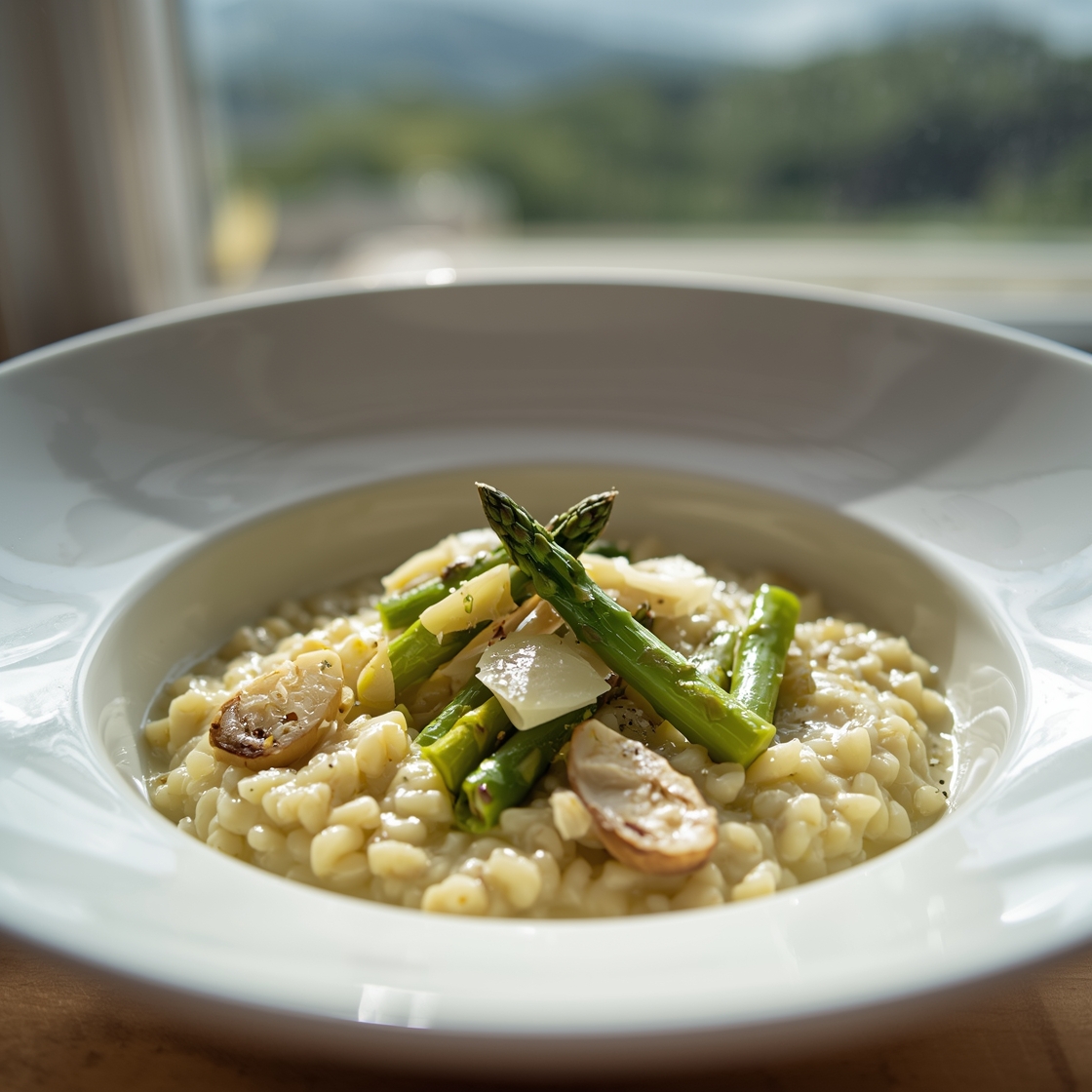 Prebiotic
 Roasted Garlic & Asparagus Risotto
A creamy, indulgent risotto featuring two of the best prebiotic foods — garlic and asparagus — in every luxurious bite.
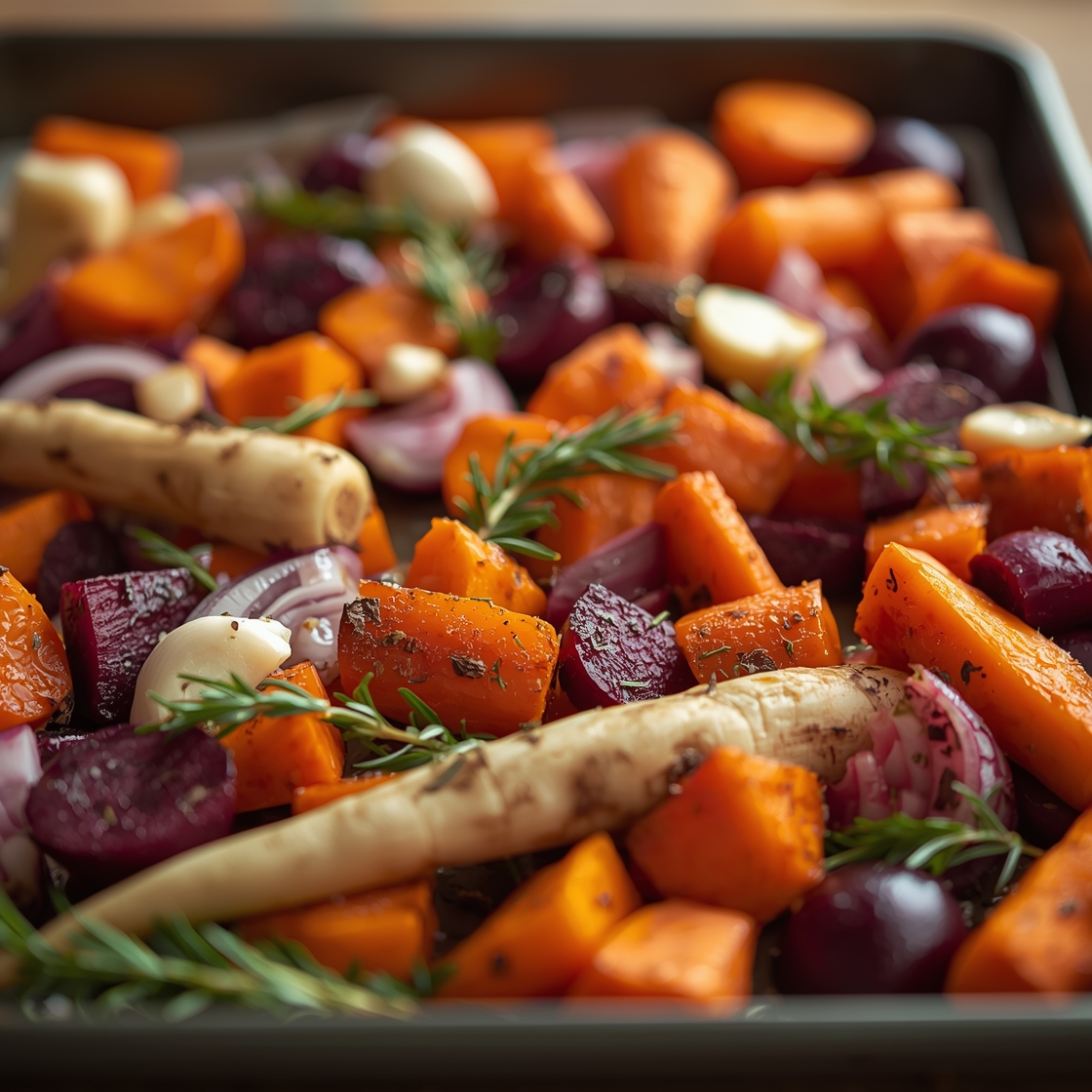 Prebiotic
 Garlic & Herb Roasted Root Vegetables
A colorful medley of roasted root vegetables with a generous amount of prebiotic garlic, fresh herbs, and olive oil.
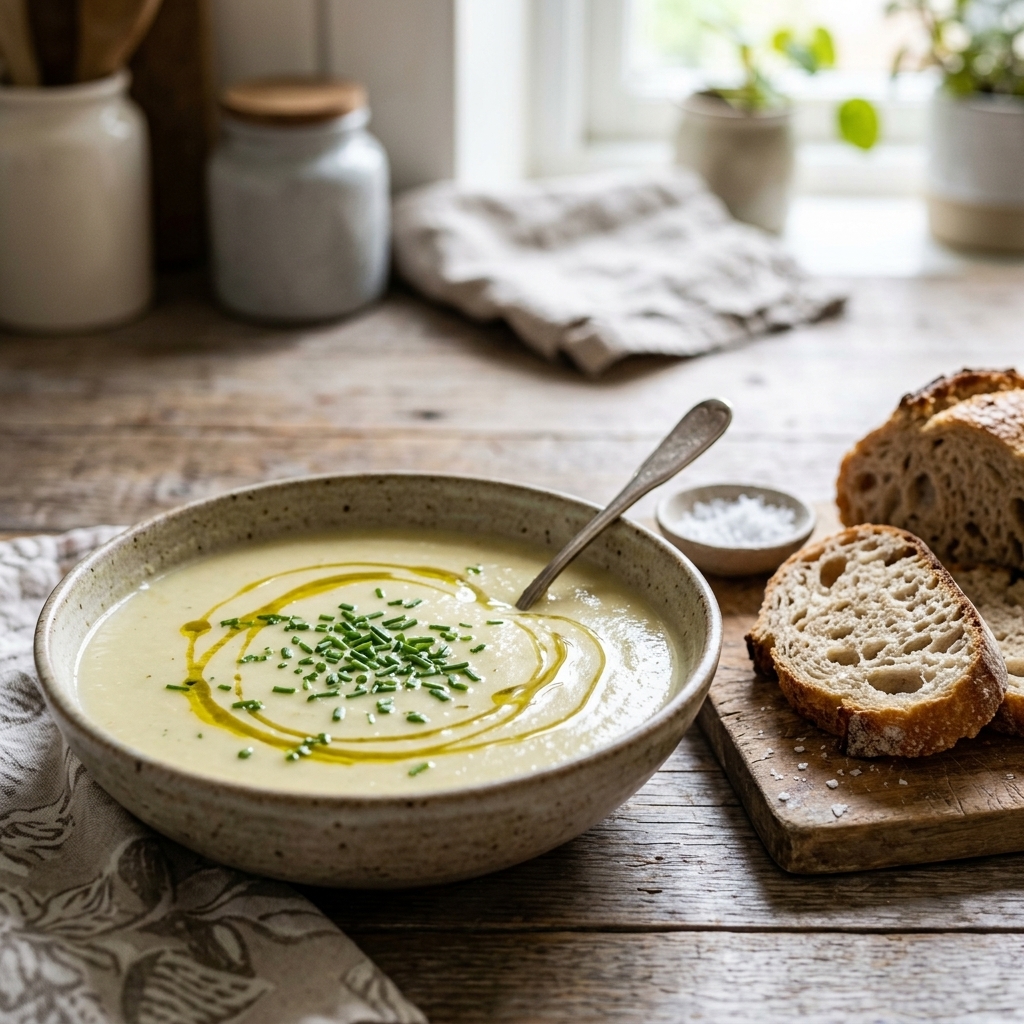 Prebiotic
 Caramelized Leek & Potato Soup
A velvety, comforting soup starring leeks — one of nature's best prebiotic foods. Creamy, warming, and deeply satisfying.