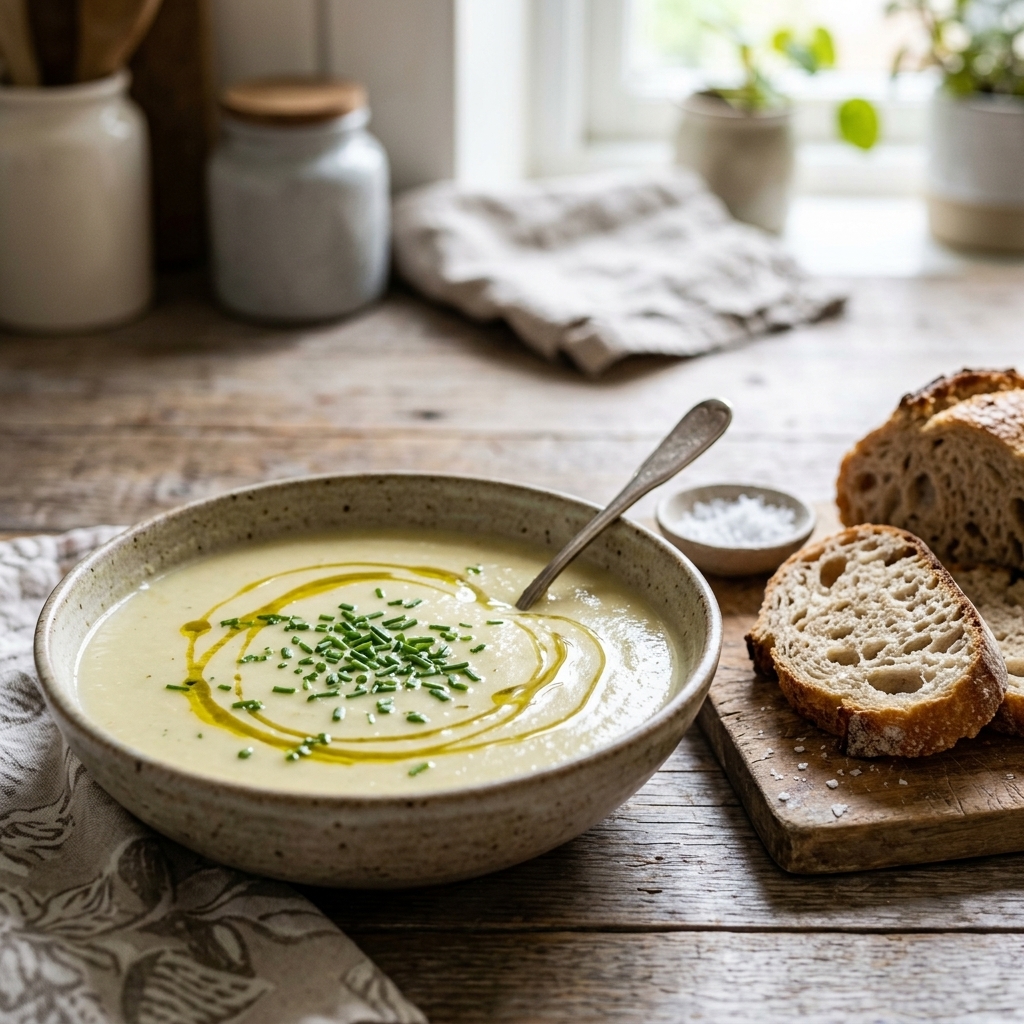
Caramelized Leek & Potato Soup
A velvety, comforting soup starring leeks — one of nature's best prebiotic foods. Creamy, warming, and deeply satisfying.
Gut Health Benefit
Leeks are one of the top sources of inulin and fructooligosaccharides (FOS). These prebiotic fibers specifically feed Bifidobacteria and Lactobacillus species in your gut, promoting a healthy microbial balance.
Why This Recipe Is Great for Your Gut
This is gut health comfort food at its finest. Inspired by the classic French potage parmentier, this silky, velvety soup transforms humble leeks and potatoes into a deeply satisfying bowl that delivers 7 grams of prebiotic-rich fiber per serving. If you are looking for a gentle, soothing meal that heals your digestive system from the inside out, this recipe is exactly what you need.
Leeks are the unsung hero of the allium family. While garlic and onions get most of the attention as prebiotic foods, leeks quietly deliver some of the highest concentrations of inulin and fructooligosaccharides (FOS) of any vegetable — approximately 3–10 grams of inulin per 100 grams of raw leek. Inulin is a long-chain fructan fiber that passes entirely intact through your stomach and small intestine. When it arrives in the colon, it is selectively fermented by Bifidobacterium and Lactobacillus species, producing short-chain fatty acids (SCFAs) that nourish the intestinal lining, lower colonic pH, and create an environment hostile to pathogenic bacteria.
The caramelizing technique used in this recipe is both culinary and nutritional genius. Slowly cooking the sliced leeks in olive oil for 10–12 minutes transforms their raw, slightly astringent flavor into a deep, complex, buttery sweetness. Critically, this gentle cooking process does not destroy the inulin — it is heat-stable and survives moderate cooking temperatures completely intact. What the caramelization does do is break down some of the leek’s cell walls, making the inulin more accessible to your gut bacteria later.
The potatoes add body and creaminess when blended, while also contributing a small but meaningful amount of resistant starch, particularly when the soup is cooled and reheated (retrogradation). The garlic adds a secondary dose of inulin, and the thyme contributes rosmarinic acid — a phenolic compound with documented anti-inflammatory effects on the digestive tract.
Key Ingredients for Gut Health
Leeks
Leeks are arguably the best prebiotic vegetable available in most grocery stores. The white and light green portions contain 3–10% inulin by weight, making them one of the most concentrated dietary sources of this powerful prebiotic fiber. Unlike supplements, the inulin in leeks comes packaged with vitamins K, A, and C, plus folate and manganese. The dark green tops are also edible and nutritious — they are tougher but can be added to the soup during simmering and blended smooth. Studies published in the International Journal of Food Sciences and Nutrition have shown that leek-derived prebiotics increase Bifidobacterium counts significantly more than synthetic inulin supplements.
Potatoes
While not commonly thought of as a gut health food, potatoes provide a unique benefit: resistant starch. When potatoes are cooked and then cooled (even partially), a portion of their starch undergoes retrogradation — the same process that makes day-old rice more prebiotic. In a soup that will be refrigerated and reheated as leftovers, this resistant starch content increases with each cooling cycle. Potatoes also provide potassium, vitamin C, and vitamin B6, all of which support digestive function.
Olive Oil
Extra virgin olive oil is more than a cooking fat in this recipe — it is a functional ingredient. The phenolic compounds in EVOO (particularly oleocanthal and hydroxytyrosol) have well-documented anti-inflammatory effects on the gut lining. These polyphenols also act as prebiotics themselves: research has shown that EVOO polyphenols increase populations of Bifidobacterium and Lactobacillus in the colon. The fat in olive oil also helps your body absorb the fat-soluble vitamins (A and K) in the leeks.
Ingredients
- 4 large leeks, white and light green parts only, halved lengthwise and thinly sliced
- 3 medium Yukon Gold potatoes, peeled and cut into 1/2-inch cubes
- 4 cups low-sodium vegetable broth
- 2 tbsp extra virgin olive oil
- 2 cloves garlic, minced
- 1/2 cup coconut cream or heavy cream
- 1 tsp dried thyme (or 2 tsp fresh)
- 1 bay leaf
- Salt and white pepper to taste
- Fresh chives and a swirl of good olive oil for garnish
Instructions
- Prepare the leeks. Slice the leeks thinly and wash thoroughly in a large bowl of cold water. Leeks trap sand and dirt between their layers — swish them in water and lift out, leaving the grit behind. Drain in a colander and pat dry. This step is essential for clean-tasting soup.
- Caramelize the leeks. Heat the olive oil in a large heavy-bottomed pot or Dutch oven over medium heat. Add the sliced leeks and a generous pinch of salt. Cook for 10–12 minutes, stirring frequently, until the leeks are very soft, silky, and lightly golden at the edges. Do not rush this step — the slow caramelization develops the deep, sweet flavor that defines this soup.
- Add the aromatics. Stir in the minced garlic and thyme. Cook for 1 minute until fragrant. The garlic adds a secondary dose of prebiotic inulin.
- Build the soup. Add the cubed potatoes, vegetable broth, and bay leaf. Bring to a boil over high heat, then reduce to a simmer. Cook for 20 minutes until the potatoes are completely fork-tender and easily mashed.
- Blend until silky. Remove the bay leaf. Using an immersion blender (or in batches in a stand blender), puree the soup until completely smooth and velvety. For the silkiest result, blend for at least 60 seconds — longer blending produces a more luxurious texture.
- Finish with cream. Return the blended soup to the pot over low heat. Stir in the coconut cream (or heavy cream) and season with salt and white pepper. White pepper is traditional in French soups because it provides heat without the dark specks of black pepper.
- Serve beautifully. Ladle into warm bowls. Garnish with finely snipped fresh chives, a swirl of high-quality olive oil, and freshly cracked black pepper or a pinch of smoked paprika.
Tips
- Do not skip the leek washing. Leeks are notorious for hiding grit between their layers. The cold water soak is non-negotiable — biting into sandy soup ruins the experience.
- Slow caramelization is the secret. Resist the urge to turn up the heat. The 10–12 minutes of gentle cooking is what transforms raw leeks from pungent to buttery-sweet.
- Use the dark green tops. Do not throw them away. While tougher, the dark green parts contain concentrated nutrients. Chop them finely and add them to the broth during the simmering phase — the blender will smooth them out.
- Go fully vegan. Use coconut cream instead of heavy cream. Coconut cream produces an equally rich texture and adds MCTs (medium-chain triglycerides) for easy-to-digest energy.
Variations & Substitutions
- Leek & Cauliflower Soup. Replace the potatoes with 1 small head of cauliflower (cut into florets) for a lower-carb version. Cauliflower blends into an incredibly silky texture and is lighter on the stomach.
- Loaded Leek & Potato Soup. Serve unbended — leave the soup chunky instead of pureeing it. Top with crispy bacon bits, shredded cheddar, and sour cream for a heartier meal.
- Curried Leek Soup. Add 1 tablespoon of curry powder and 1/2 teaspoon of turmeric with the garlic. The combination of leek prebiotics and turmeric anti-inflammatory compounds creates a doubly therapeutic soup.
- Vichyssoise (cold version). This soup is equally delicious served chilled. After blending, refrigerate for at least 4 hours and serve cold with chives. This is a classic French summer soup — and the cold temperature means maximum resistant starch content from the potatoes.
Storage & Meal Prep
- Refrigerator. Store in airtight containers for up to 5 days. This soup improves in flavor over 24–48 hours as the leek and thyme flavors continue to develop and meld.
- Freezer. Freeze in individual portions for up to 4 months. Omit the cream before freezing — stir it in after reheating for the best texture. The soup freezes and thaws beautifully with no loss of quality.
- Meal prep. Make a double batch on Sunday. This soup serves as a quick lunch throughout the week — just heat and serve with crusty bread.
- Resistant starch bonus. Every time you cool and reheat this soup, more of the potato starch converts to resistant starch type 3. Day-three reheated soup is genuinely more prebiotic than freshly made soup.
Frequently Asked Questions
Are leeks good for gut health?
Leeks are among the best prebiotic foods available. They contain 3–10% inulin by weight (one of the highest concentrations of any vegetable), making them an exceptionally effective fuel source for beneficial Bifidobacteria and Lactobacillus species. Regular consumption of leeks has been associated with increased microbial diversity and improved bowel regularity.
What part of the leek do you use?
The white and light green portions are the most tender and commonly used. However, the dark green tops are edible and nutritious — they are simply tougher. In this soup, you can include the dark green parts during simmering because the blender will smooth them out. Avoid the very tips if they are dried out or damaged.
Can I make this soup without cream?
Absolutely. The potatoes provide natural creaminess when blended. Omitting the cream produces a lighter, cleaner soup that is still velvety smooth. For a middle ground, stir in 2 tablespoons of extra virgin olive oil at the end — it adds richness and additional polyphenol prebiotics.
Is this soup good for IBS?
Leeks contain FODMAPs (specifically fructans), which can be problematic for some people with IBS. If you are sensitive to FODMAPs, use only the dark green parts of the leek (which are lower in fructans) and start with small portions. The slow cooking process does not reduce fructan content, so those following a strict low-FODMAP diet should consult their dietitian before including this recipe.
Why use white pepper instead of black?
White pepper is traditional in French soups for aesthetic reasons — it provides warmth and subtle heat without the dark speckles that black pepper creates in a pale, creamy soup. Nutritionally, both are equivalent. Use whichever you prefer or have on hand.
More Prebiotic Recipes
 Prebiotic
 Banana Oat Pancakes with Honey
Fluffy, naturally sweet pancakes made with ripe bananas and oats — a prebiotic-rich breakfast the whole family will love.
 Prebiotic
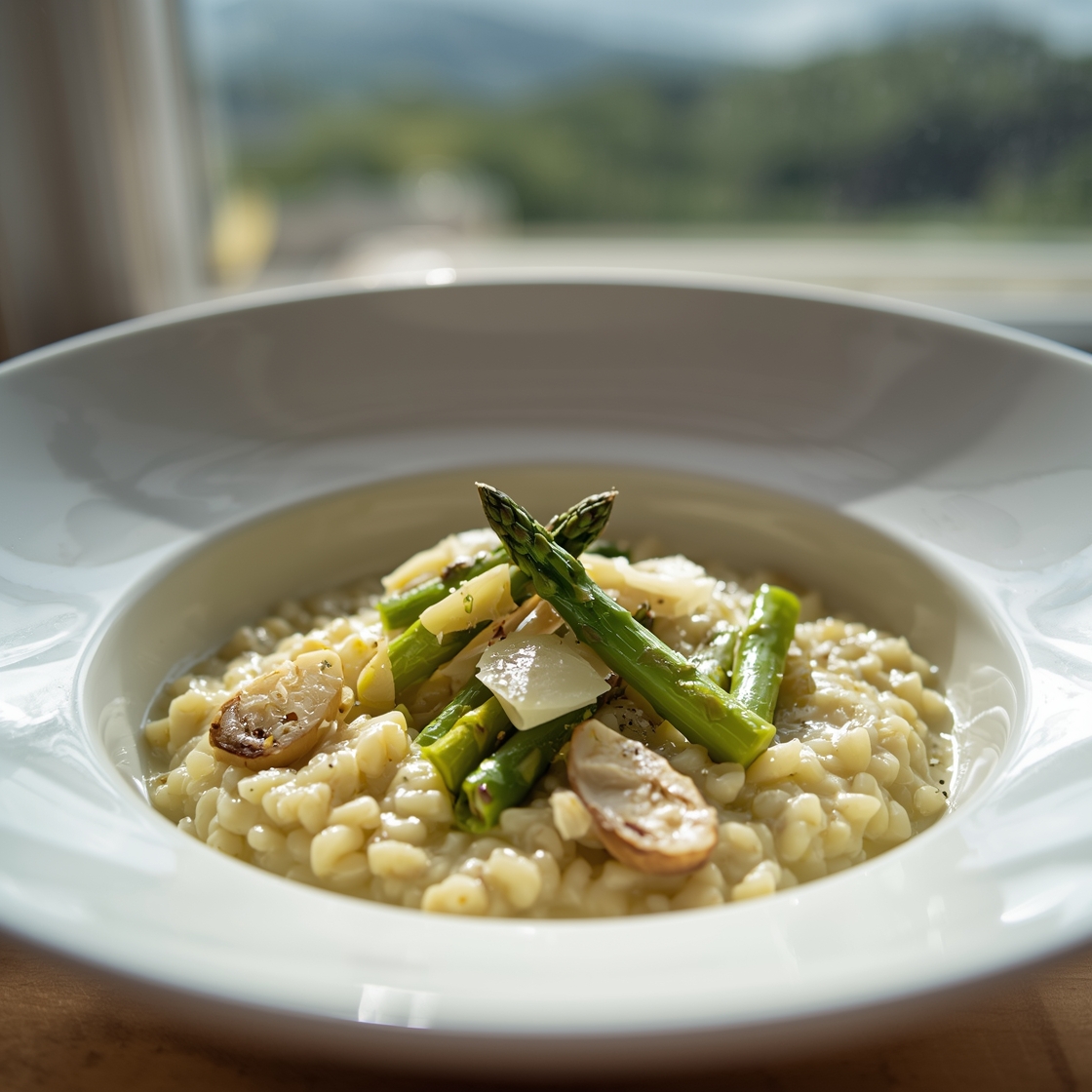
 Roasted Garlic & Asparagus Risotto
A creamy, indulgent risotto featuring two of the best prebiotic foods — garlic and asparagus — in every luxurious bite.
 Prebiotic
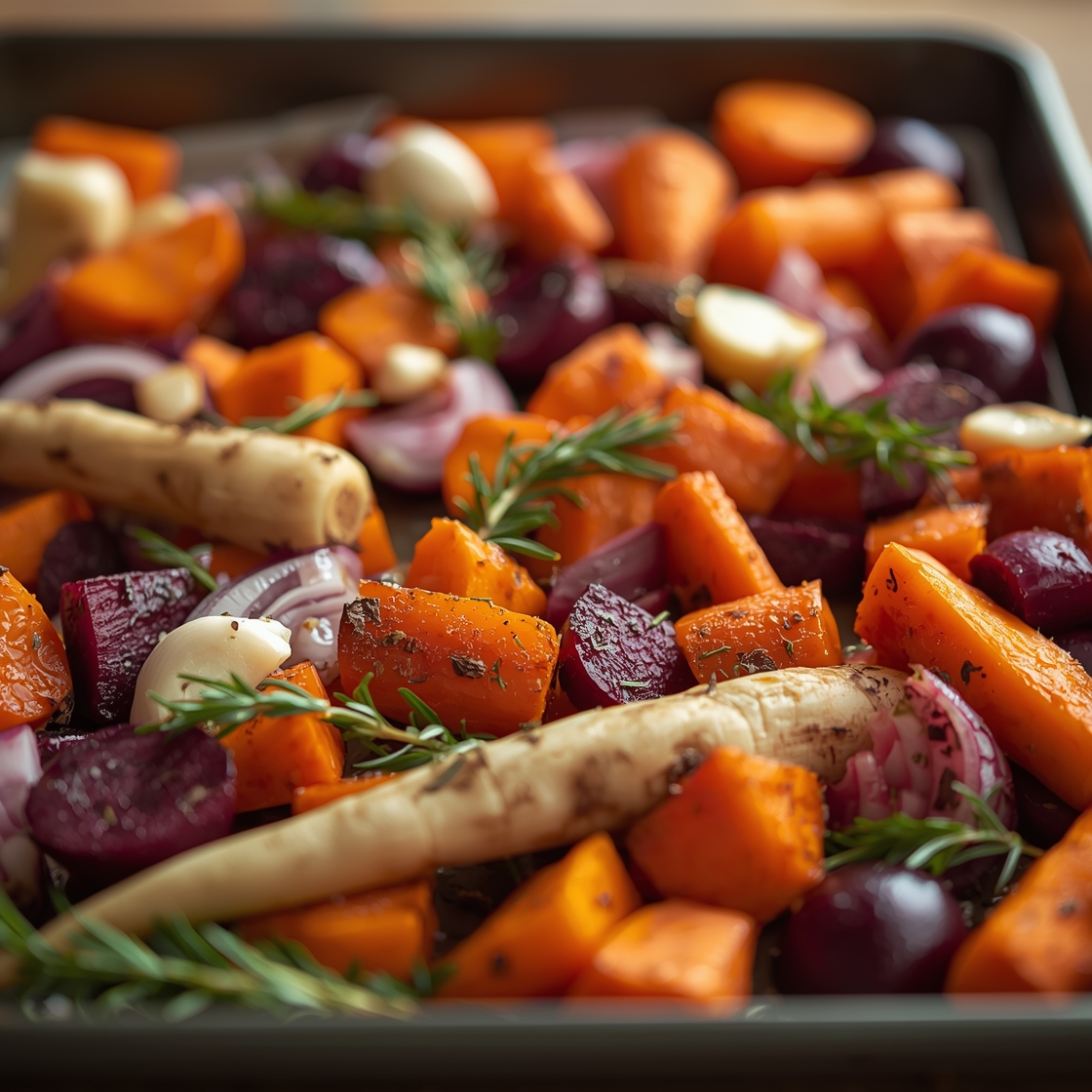
 Garlic & Herb Roasted Root Vegetables
A colorful medley of roasted root vegetables with a generous amount of prebiotic garlic, fresh herbs, and olive oil.