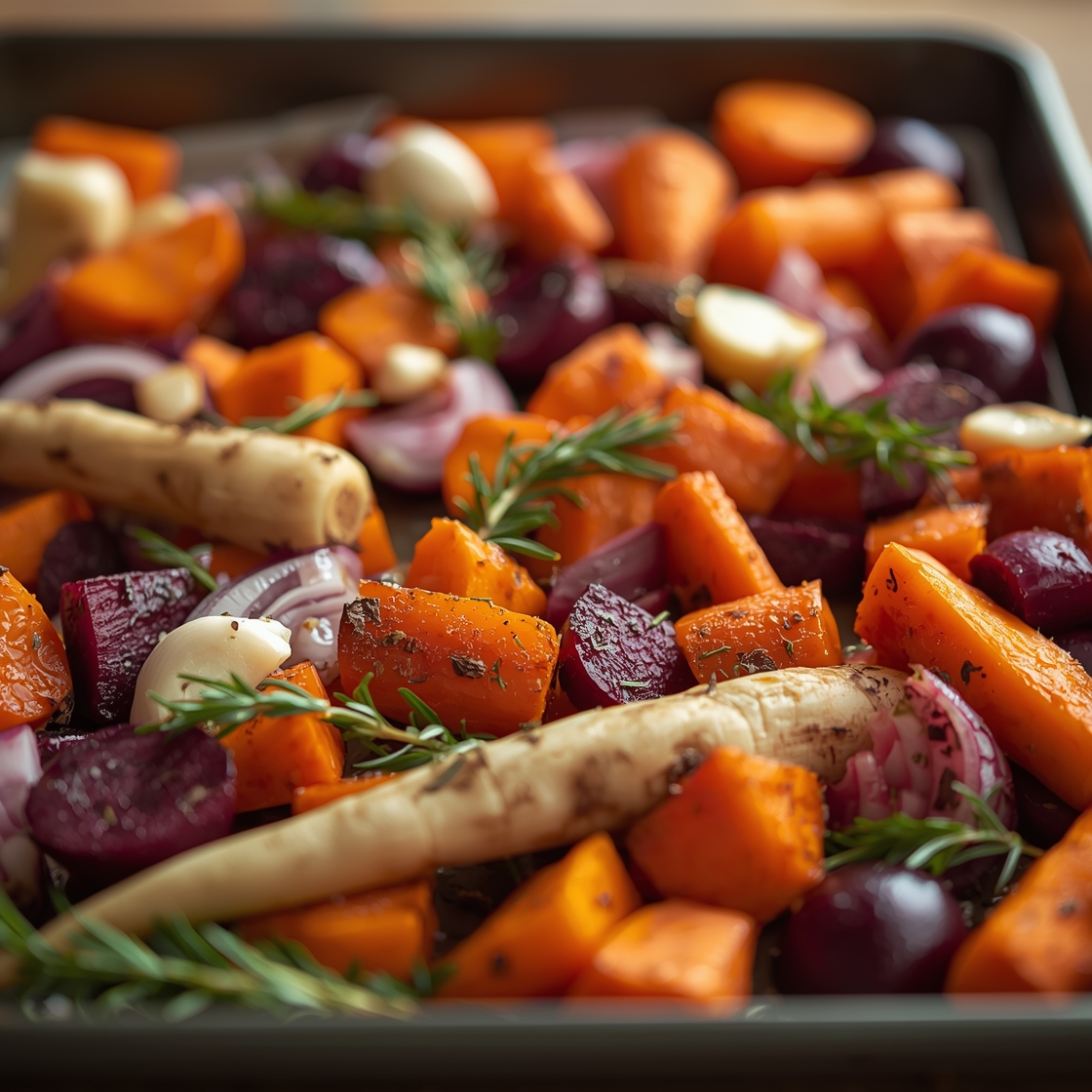
Garlic & Herb Roasted Root Vegetables
A colorful medley of roasted root vegetables with a generous amount of prebiotic garlic, fresh herbs, and olive oil.
Gut Health Benefit
This recipe features three top prebiotic foods: garlic contains inulin and fructooligosaccharides, onions provide additional inulin, and the root vegetables add resistant starch when cooled. Roasting caramelizes the natural sugars while preserving prebiotic compounds.
Why This Recipe Is Great for Your Gut
This colorful sheet-pan dinner is a prebiotic trifecta. By combining three of nature’s most powerful prebiotic foods — garlic, onions, and root vegetables — into one easy, hands-off recipe, you create a side dish that delivers 8 grams of microbiome-nourishing fiber per serving. Every ingredient has been chosen for a specific digestive benefit, and the roasting technique maximizes both flavor and nutritional bioavailability.
The star is the generous 8 cloves of garlic — far more than most recipes call for. Garlic is nature’s most concentrated source of inulin and fructooligosaccharides (FOS), two prebiotic fibers that selectively feed Bifidobacterium species in the colon. When roasted whole at 425°F, the garlic cloves become soft, buttery, and caramelized — developing a mellow sweetness that is completely different from raw garlic’s sharp bite. Critically, the inulin in garlic is heat-stable and survives the roasting process entirely intact. So you get all the prebiotic benefit with none of the pungency.
Red onion wedges provide a complementary dose of inulin. Onions contain approximately 2–6% inulin by weight (the outer layers have the highest concentration). Combined with the garlic, this recipe provides approximately 4–6 grams of inulin alone — a clinically meaningful prebiotic dose. Research published in the Journal of Nutrition demonstrated that 5 grams of inulin daily significantly increased Bifidobacterium counts within just 14 days.
The root vegetables (carrots, parsnips, sweet potatoes, beets) each contribute their own fiber spectrum. Parsnips are particularly noteworthy — they contain the highest inulin concentration of any common root vegetable (approximately 3–5g per cup). Sweet potatoes provide beta-carotene and gentle soluble fiber. Beets contribute a unique fiber called pectin plus nitrates that support blood flow to the intestinal lining. Together, this diversity of plant fibers feeds a broad range of gut bacterial species, promoting the microbial diversity that is the hallmark of a healthy microbiome.
Key Ingredients for Gut Health
Garlic (8 Whole Cloves)
Eight cloves of garlic provide approximately 2–3 grams of inulin-type fructans — a significant prebiotic dose from a single ingredient. Garlic also contains allyl sulfides (allicin and its derivatives), which have selective antimicrobial activity: they inhibit pathogenic bacteria like E. coli and Salmonella while leaving beneficial Lactobacillus and Bifidobacterium species unharmed. This dual action — feeding the good bacteria while fighting the bad — makes garlic one of the most powerful gut health foods available. Roasting at high temperature preserves the prebiotic compounds while converting the harsh allicin into gentler, sweeter sulfur compounds.
Parsnips
Often overlooked, parsnips are among the richest root vegetable sources of inulin. One cup of raw parsnips provides approximately 3–5 grams of inulin fiber and 6.5 grams of total fiber. They also provide folate (essential for gut epithelial cell regeneration), potassium, vitamin C, and unique polyacetylenes — bioactive compounds being studied for their anti-cancer properties. When roasted, parsnips develop an intensely sweet, nutty caramel flavor that pairs beautifully with the garlic and rosemary.
Extra Virgin Olive Oil
The EVOO in this recipe does much more than prevent sticking. High-quality extra virgin olive oil contains oleocanthal — a polyphenol with anti-inflammatory potency comparable to ibuprofen. Research published in Nutrients has shown that EVOO polyphenols significantly increase populations of Lactobacillus and Bifidobacterium in the gut microbiome. The fat in EVOO also improves the absorption of fat-soluble vitamins A and K from the vegetables. Use a generous amount — this is one recipe where the oil is a functional ingredient.
Ingredients
- 2 large carrots, peeled and cut into 1-inch chunks
- 2 parsnips, peeled and cut into 1-inch chunks
- 1 large sweet potato, peeled and cubed into 1-inch pieces
- 2 medium beets, peeled and cubed into 1-inch pieces
- 1 large red onion, cut into 8 wedges
- 8 cloves garlic, peeled and lightly smashed
- 3 tbsp extra virgin olive oil (high quality)
- 2 tbsp fresh rosemary, finely chopped
- 1 tbsp fresh thyme leaves
- 1 tsp smoked paprika
- Salt and freshly cracked black pepper to taste
- 1 tbsp aged balsamic vinegar (for finishing)
- Fresh flat-leaf parsley, roughly chopped, for garnish
Instructions
- Preheat and prep. Preheat your oven to 425°F (220°C). Line a large rimmed baking sheet with parchment paper. If your vegetables are abundant, prepare two baking sheets — overcrowding is the number one enemy of crispy roasted vegetables.
- Toss the vegetables. Place all the cut vegetables, onion wedges, and smashed garlic cloves in a large mixing bowl. Drizzle with the olive oil and add the rosemary, thyme, smoked paprika, salt, and pepper. Toss with your hands or two large spoons until every piece is evenly and generously coated with oil and herbs.
- Spread in a single layer. Arrange the vegetables on the prepared baking sheet in a single, uncrowded layer. Each piece should have some space around it — this allows the hot oven air to circulate and create those caramelized, crispy edges. Crowding steams the vegetables instead of roasting them.
- Roast undisturbed, then flip. Roast for 20 minutes without opening the oven door. Then remove the sheet, flip the vegetables with a spatula, and return to the oven for another 15–20 minutes until all pieces are golden at the edges and fork-tender in the center.
- Finish with balsamic. Remove from the oven. While the vegetables are still sizzling hot, drizzle the aged balsamic vinegar over them. The vinegar will hiss and reduce slightly on the hot vegetables, creating a beautiful, tangy glaze.
- Garnish and serve. Transfer to a serving platter or serve directly from the baking sheet. Shower with freshly chopped flat-leaf parsley. Serve warm or at room temperature — both are delicious.
Tips
- Do not overcrowd the pan. This is the most important tip. Crowded vegetables release steam and get soft and mushy instead of caramelized and crispy. When in doubt, use two pans.
- Eat them cooled too. Leftover roasted vegetables that have been refrigerated and reheated contain significantly more resistant starch than freshly roasted ones. The cooling process converts a portion of the vegetable starches into resistant starch type 3 — an additional prebiotic benefit.
- Add Jerusalem artichokes. Also called sunchokes, Jerusalem artichokes contain the highest inulin concentration of any food (up to 20% by weight). Toss in 1 cup of cubed sunchokes for a serious prebiotic supercharge.
- Keep beet juice contained. Cut the beets last and keep them in a separate corner of the baking sheet. Their deep purple juice will stain everything it touches. Some people roast beets on a separate sheet to keep the other vegetables looking clean and golden.
Variations & Substitutions
- Mediterranean Version. Replace the parsnips with zucchini and eggplant. Add 1/4 cup of kalamata olives and crumble feta cheese on top after roasting. Drizzle with extra olive oil and a squeeze of lemon juice.
- Autumn Harvest. Replace the beets with cubed butternut squash and add 2 cored and quartered apples. Swap the rosemary for sage. Drizzle with maple syrup instead of balsamic vinegar for a sweeter profile.
- Indian-Spiced. Replace rosemary and thyme with 1 tablespoon of garam masala and 1/2 teaspoon of turmeric. Squeeze fresh lemon juice and top with cilantro and a dollop of yogurt after roasting.
- Winter Root Hash. Chop the vegetables smaller (1/2-inch pieces) and roast at 450°F for maximum crispiness. Serve topped with a fried egg and hot sauce for a hearty breakfast hash.
Storage & Meal Prep
- Refrigerator. Store in airtight containers for up to 5 days. Roasted vegetables are one of the best make-ahead side dishes — they reheat beautifully and are equally delicious cold in salads.
- Freezer. Roasted root vegetables can be frozen for up to 3 months. Spread them in a single layer on a baking sheet to flash-freeze for 1 hour, then transfer to freezer bags. This prevents them from clumping into a solid mass.
- Meal prep hero. Roast a large batch on Sunday and use throughout the week: as a side dish, tossed into grain bowls, folded into wraps, blended into soup, or added to pasta.
- Resistant starch build-up. Every time these vegetables are cooled and reheated, more resistant starch forms. By day 3 in the fridge, the prebiotic content is significantly higher than on day 1.
Frequently Asked Questions
Do roasted vegetables lose their nutrients?
Some heat-sensitive vitamins (particularly vitamin C) are partially reduced during roasting, but the vast majority of nutrients are preserved or even enhanced. The carotenoids in carrots and sweet potatoes (beta-carotene) actually become more bioavailable after cooking — the heat breaks down cell walls, releasing the pigments for easier absorption. The prebiotic inulin in garlic, onions, and parsnips is heat-stable and completely unaffected by roasting. The olive oil in the recipe enhances the absorption of fat-soluble vitamins A, E, and K.
Why do my roasted vegetables come out soggy?
Three common causes: (1) overcrowding the baking sheet — use two sheets if needed; (2) not enough oil — the vegetables need to be well-coated; (3) oven temperature too low — 425°F is the sweet spot for caramelization. Also ensure your oven is fully preheated before adding the vegetables, and do not cover the pan with foil (this traps steam).
Can I use frozen vegetables instead of fresh?
For roasting, fresh vegetables are strongly preferred. Frozen vegetables contain extra moisture from the freezing process, which causes them to steam and become mushy in the oven rather than developing crispy, caramelized edges. If you must use frozen, thaw completely and pat very dry with paper towels before tossing with oil.
How do I adapt this for a one-pan dinner?
Add a protein component: toss 4 boneless chicken thighs or 1 block of cubed firm tofu onto the baking sheet alongside the vegetables. The chicken should be added at the beginning (it needs the full 35–40 minutes), while tofu can be added during the flip at the 20-minute mark. Season the protein with the same herbs and spices for a cohesive flavor.
Are parsnips and turnips the same thing?
No. Parsnips are cream-colored root vegetables that look like white carrots. They have a sweet, nutty, slightly earthy flavor when roasted. Turnips are round, white-and-purple root vegetables with a more peppery, slightly bitter flavor. Both are nutritious, but parsnips contain significantly more prebiotic inulin. You can substitute turnips in this recipe, but expect a different flavor profile.
More Prebiotic Recipes
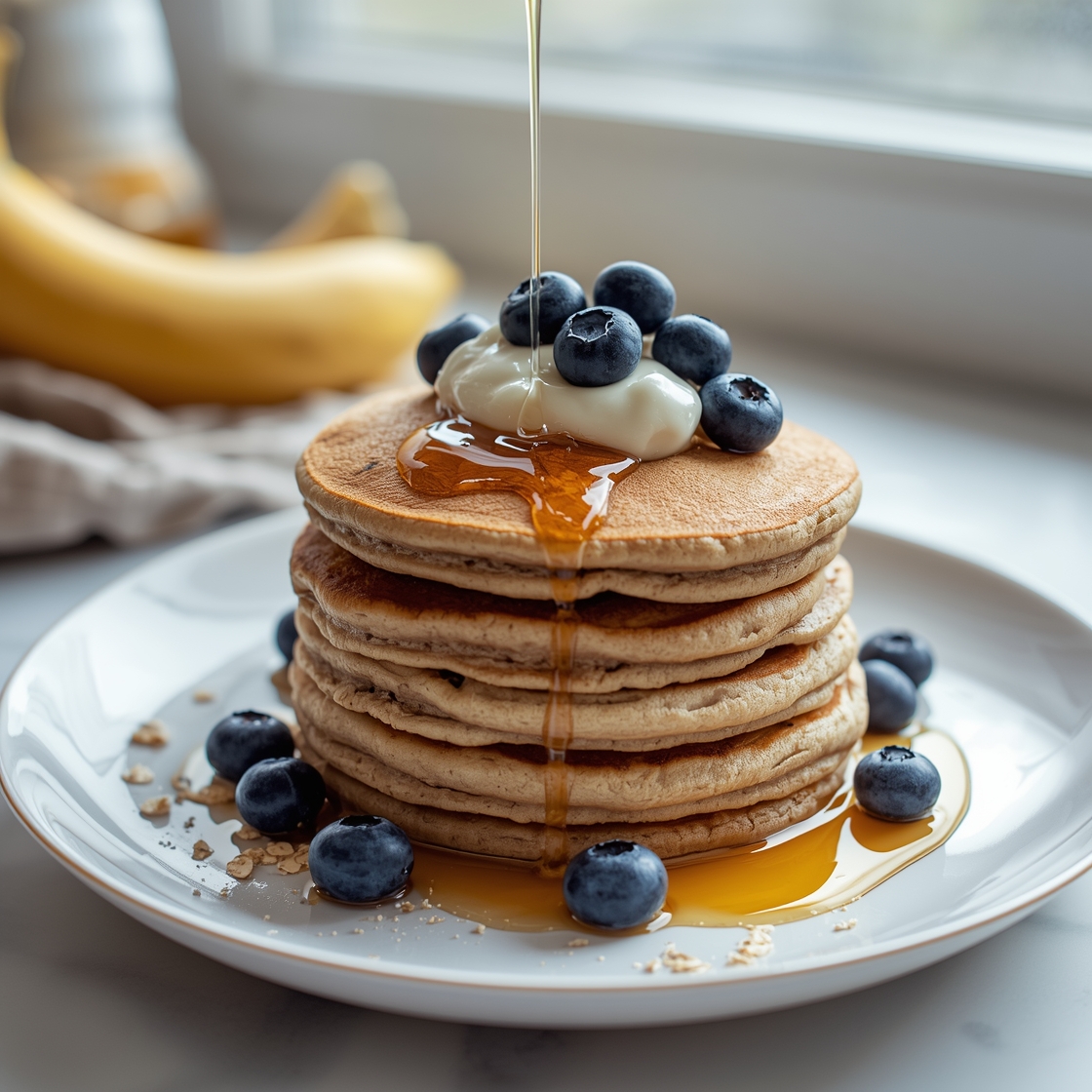 Prebiotic
 Banana Oat Pancakes with Honey
Fluffy, naturally sweet pancakes made with ripe bananas and oats — a prebiotic-rich breakfast the whole family will love.
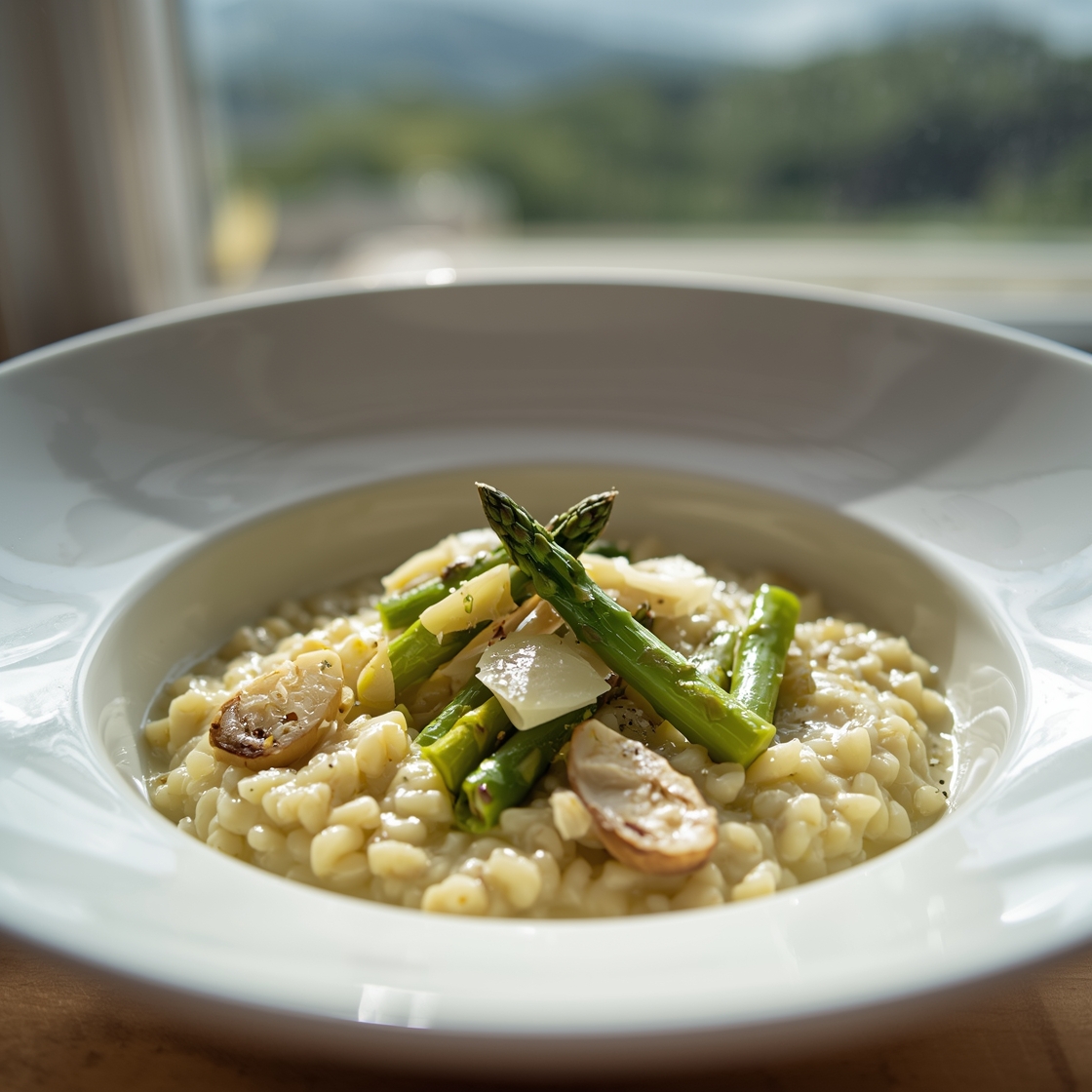 Prebiotic
 Roasted Garlic & Asparagus Risotto
A creamy, indulgent risotto featuring two of the best prebiotic foods — garlic and asparagus — in every luxurious bite.
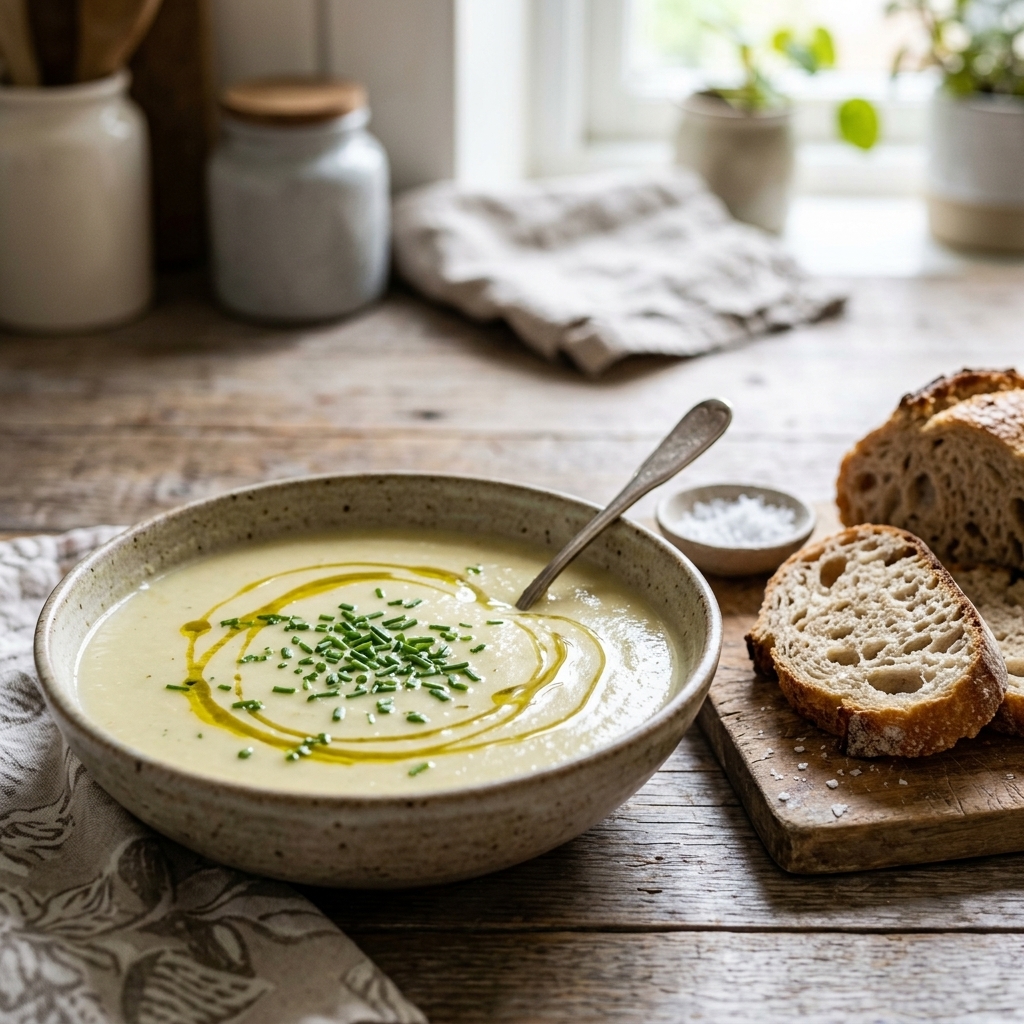 Prebiotic
 Caramelized Leek & Potato Soup
A velvety, comforting soup starring leeks — one of nature's best prebiotic foods. Creamy, warming, and deeply satisfying.