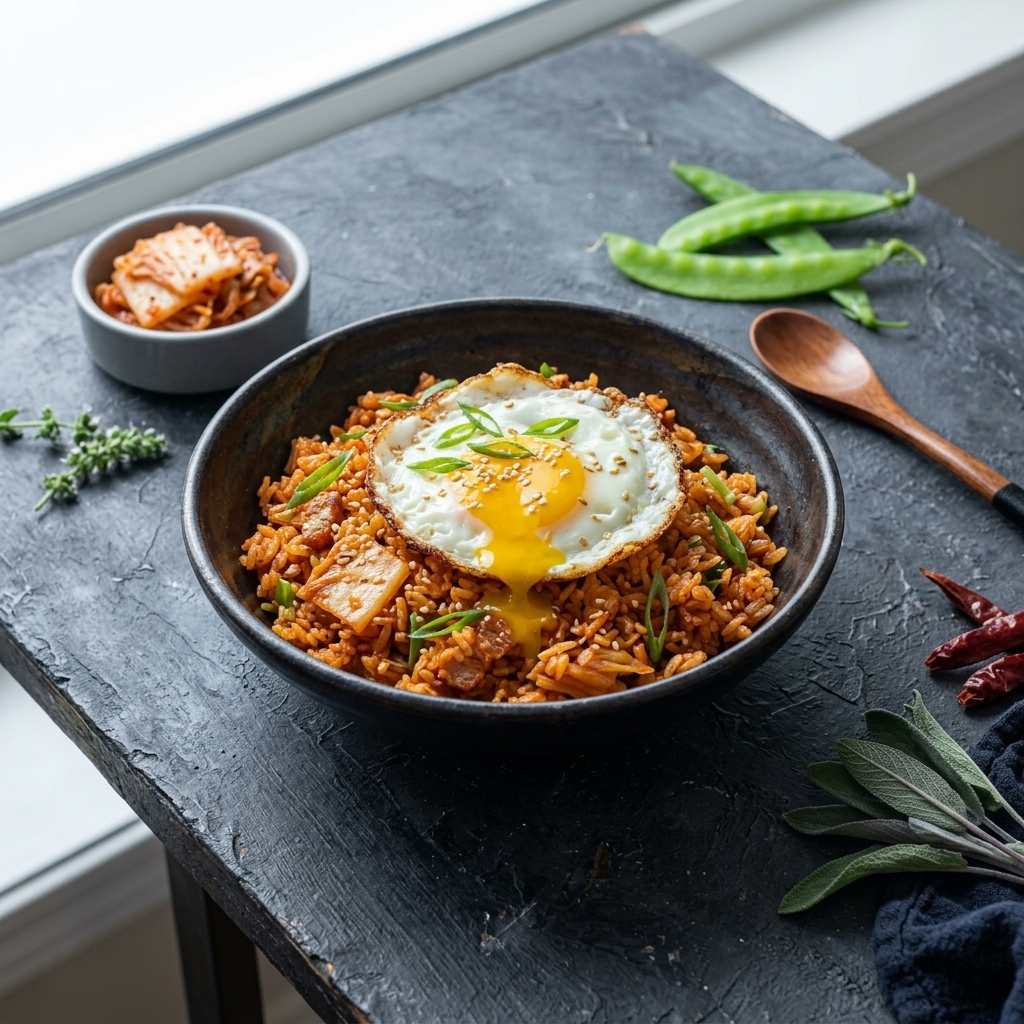
Kimchi Fried Rice
A quick, probiotic-packed fried rice bursting with tangy kimchi flavor. Ready in just 20 minutes.
Gut Health Benefit
Kimchi is one of the most potent probiotic foods available, containing Lactobacillus and other beneficial bacteria strains. Using day-old rice increases its resistant starch content, adding a prebiotic component.
Why This Recipe Is Great for Your Gut
Kimchi Fried Rice is one of the fastest, most delicious ways to deliver a concentrated dose of live probiotics directly to your digestive system. This 20-minute meal combines the power of traditionally fermented kimchi with the prebiotic benefits of day-old rice, creating what scientists call a synbiotic meal — one that contains both probiotics and the specific fibers that feed them.
Kimchi is arguably the most probiotic-dense food on the planet. Traditionally fermented for weeks or months, a single serving of well-aged kimchi contains billions of colony-forming units (CFUs) of beneficial bacteria, primarily Lactobacillus plantarum, Lactobacillus brevis, and Leuconostoc mesenteroides. These specific strains have been extensively studied for their ability to strengthen the gut barrier, reduce intestinal inflammation, and even modulate immune function. A landmark study published in the Journal of Medicinal Food found that regular kimchi consumption significantly increased the diversity and abundance of beneficial gut microbiota within just 2 weeks.
The secret weapon in this recipe is using day-old, refrigerated rice. When cooked rice cools in the fridge overnight, a chemical process called retrogradation occurs — the starch molecules rearrange themselves into a crystalline structure that your digestive enzymes cannot break down. This transformed starch is called resistant starch, and it functions exactly like a prebiotic fiber. It passes through your stomach and small intestine intact, arriving in the colon where your gut bacteria ferment it into butyrate and other short-chain fatty acids. Even when you reheat the rice in the wok, a significant portion of the resistant starch remains intact.
The brief, high-heat stir-frying technique is also intentional. By cooking the kimchi quickly over high heat, we caramelize the natural sugars for incredible depth of flavor while preserving a meaningful number of live bacteria. The sesame oil adds a final gut-health benefit — it contains sesamin and sesamolin, lignans with antioxidant properties that help protect the intestinal lining from oxidative stress.
Key Ingredients for Gut Health
Kimchi
Kimchi is Korea’s national dish and one of the world’s most studied fermented foods. It is made by lacto-fermenting napa cabbage with salt, garlic, ginger, gochugaru (Korean chili flakes), and fish sauce. During fermentation, naturally present Lactobacillus bacteria multiply rapidly, producing lactic acid that preserves the vegetables and creates that characteristic tangy flavor. Per tablespoon, quality kimchi contains approximately 1 billion CFUs of live bacteria. The fermentation process also produces vitamins B12 and K2, which are difficult to obtain from plant-based diets. For maximum probiotic benefit, always buy unpasteurized kimchi from the refrigerated section — shelf-stable kimchi has been heat-treated, which kills the live cultures.
Day-Old Rice (Resistant Starch)
Freshly cooked rice is rapidly digestible starch — your body breaks it down and absorbs it quickly, causing blood sugar spikes. But when rice is cooled for 12+ hours, up to 10% of its digestible starch converts to resistant starch type 3 (RS3). This resistant starch acts as a premium prebiotic fiber, selectively feeding beneficial bacteria like Bifidobacterium and Roseburia. The beauty of RS3 is its heat stability — even after reheating in the wok, approximately 60–70% of the resistant starch remains intact, making leftover fried rice genuinely healthier than freshly made versions.
Sesame Oil
Sesame oil is more than a flavor enhancer. It contains unique lignans (sesamin and sesamolin) with potent antioxidant and anti-inflammatory properties. In the gut, these compounds help protect the intestinal epithelium from oxidative damage caused by inflammatory foods. Sesame oil also contains gamma-tocopherol (a form of Vitamin E) that supports immune cells in the gut-associated lymphoid tissue (GALT) — the largest immune organ in your body.
Ingredients
- 3 cups cooked rice (day-old, refrigerated overnight — critical for resistant starch)
- 1 1/2 cups chopped kimchi, plus 2 tbsp kimchi liquid from the jar
- 2 tbsp toasted sesame oil
- 1 tbsp soy sauce (or tamari for gluten-free)
- 1 tsp gochujang (Korean fermented chili paste)
- 3 green onions, sliced (white and green parts separated)
- 2 large eggs
- 1 tbsp toasted sesame seeds
- Sriracha or gochugaru for serving (optional)
Instructions
- Prep your mise en place. Chop the kimchi into bite-sized pieces, reserving 2 tablespoons of the liquid from the jar. Slice the green onions, separating the white parts from the green tops. Break the cold rice apart with your fingers or a fork — clumps will prevent even frying.
- Caramelize the kimchi. Heat 1 tablespoon of sesame oil in a large skillet or wok over high heat until the oil shimmers. Add the chopped kimchi and the white parts of the green onions. Stir-fry for 2–3 minutes until the kimchi edges are slightly charred and caramelized. This brief high-heat step develops deep, complex flavor while preserving some live probiotics.
- Fry the rice. Add the cold rice to the wok, breaking up any remaining clumps. Spread it into an even layer and let it sit undisturbed for 30 seconds — this creates a crispy bottom layer. Then stir-fry for 3–4 minutes until the rice is heated through and starting to get slightly crispy at the edges.
- Season the rice. Drizzle in the soy sauce, gochujang, and reserved kimchi liquid. Toss everything together vigorously for 1–2 minutes until the rice is evenly coated and aromatic.
- Add the eggs. Push the rice to one side of the wok. Add the remaining tablespoon of sesame oil to the empty side. Crack in the eggs and scramble them quickly until just set (about 30 seconds), then fold them into the rice.
- Serve immediately. Divide among bowls and top with the green onion tops, toasted sesame seeds, and a drizzle of sriracha if desired. Serve while hot and crispy.
Tips
- Use the oldest rice you have: Day-old is good, but 2–3 day old rice is even better — more resistant starch and less moisture means crispier fried rice.
- Do not overcrowd the wok: If your pan is small, fry the rice in two batches. Overcrowding creates steam instead of the crispy sear you want.
- Keep it probiotic: The kimchi will lose some live bacteria during high-heat cooking, but not all. To maximize probiotic content, stir in an extra tablespoon of raw kimchi as a topping after cooking.
- Fried egg upgrade: Instead of scrambling the eggs into the rice, fry two sunny-side-up eggs separately and place them on top. The runny yolk creates a rich, creamy sauce when broken.
Variations & Substitutions
- Kimchi Fried Cauliflower Rice: Replace the rice with 3 cups of riced cauliflower for a low-carb, keto-friendly version. The cauliflower cooks faster (2 minutes) and absorbs the kimchi flavors beautifully. You lose the resistant starch benefit but gain additional vegetable fiber.
- Kimchi Fried Rice Bowl: Turn this into a bibimbap-style bowl by topping with a fried egg, sliced cucumber, shredded carrots, a drizzle of gochujang sauce, and a handful of fresh bean sprouts.
- Vegan Version: Omit the eggs and add 1 cup of cubed firm tofu. Press the tofu to remove excess moisture, then pan-fry until golden before adding to the rice. Add 1 tablespoon of nutritional yeast for an umami boost.
- Spicy Pork Kimchi Rice: Brown 8 oz of ground pork before adding the kimchi for a heartier, protein-packed version popular in Korean home cooking.
Storage & Meal Prep
- Refrigerator: Store leftover kimchi fried rice in an airtight container for up to 3 days. The rice will continue to develop resistant starch as it cools — a gut health bonus.
- Reheating: Reheat in a hot skillet with a teaspoon of sesame oil to restore the crispy texture. Microwave reheating works but produces softer rice.
- Freezer: Kimchi fried rice freezes well for up to 2 months. Freeze in individual portions. Thaw overnight in the fridge, then reheat in a hot wok.
- Meal prep tip: Cook a large batch of rice at the beginning of the week and store it in the fridge. By Wednesday or Thursday, the resistant starch content will be at its peak — the perfect time to make kimchi fried rice.
Frequently Asked Questions
Is kimchi actually good for gut health?
Yes — kimchi is one of the most well-researched probiotic foods in the world. It contains high concentrations of Lactobacillus plantarum, L. brevis, and other beneficial strains. Multiple clinical studies have demonstrated that regular kimchi consumption improves gut microbiome diversity, reduces markers of inflammation, and supports immune function. The fermentation process also produces beneficial postbiotics (metabolites from bacterial activity) that continue to provide health benefits even if some bacteria are lost during cooking.
Does cooking kimchi kill the probiotics?
High heat does kill some of the live bacteria, but not all. Brief, high-heat cooking (like stir-frying for 2–3 minutes) preserves a meaningful number of live organisms. Additionally, even heat-killed bacteria (called postbiotics) have been shown to provide health benefits, including immune modulation and anti-inflammatory effects. To maximize live probiotic content, add a spoonful of raw, uncooked kimchi as a topping after cooking.
Why does the recipe call for day-old rice?
Two reasons: texture and nutrition. Freshly cooked rice is too moist and sticky to fry properly — it steams instead of crisping. Day-old refrigerated rice is drier and fries beautifully. More importantly, the cooling process converts a portion of the rice’s digestible starch into resistant starch, which acts as a prebiotic fiber in your colon. This makes leftover rice genuinely healthier than fresh rice.
Is gochujang the same as gochugaru?
No. Gochujang is a thick, fermented Korean chili paste made from chili powder, glutinous rice, fermented soybeans, and salt. It is sweet, spicy, and deeply umami. Gochugaru is simply dried Korean chili flakes with no fermentation. Both add heat, but gochujang adds complex fermented flavor and is itself a probiotic food. This recipe uses gochujang for its depth of flavor and additional probiotic benefit.
Can I make this gluten-free?
Yes. Simply replace the soy sauce with tamari (which is naturally gluten-free) and verify that your gochujang is gluten-free (some brands contain wheat). The rest of the ingredients are naturally gluten-free.
More Probiotic Recipes
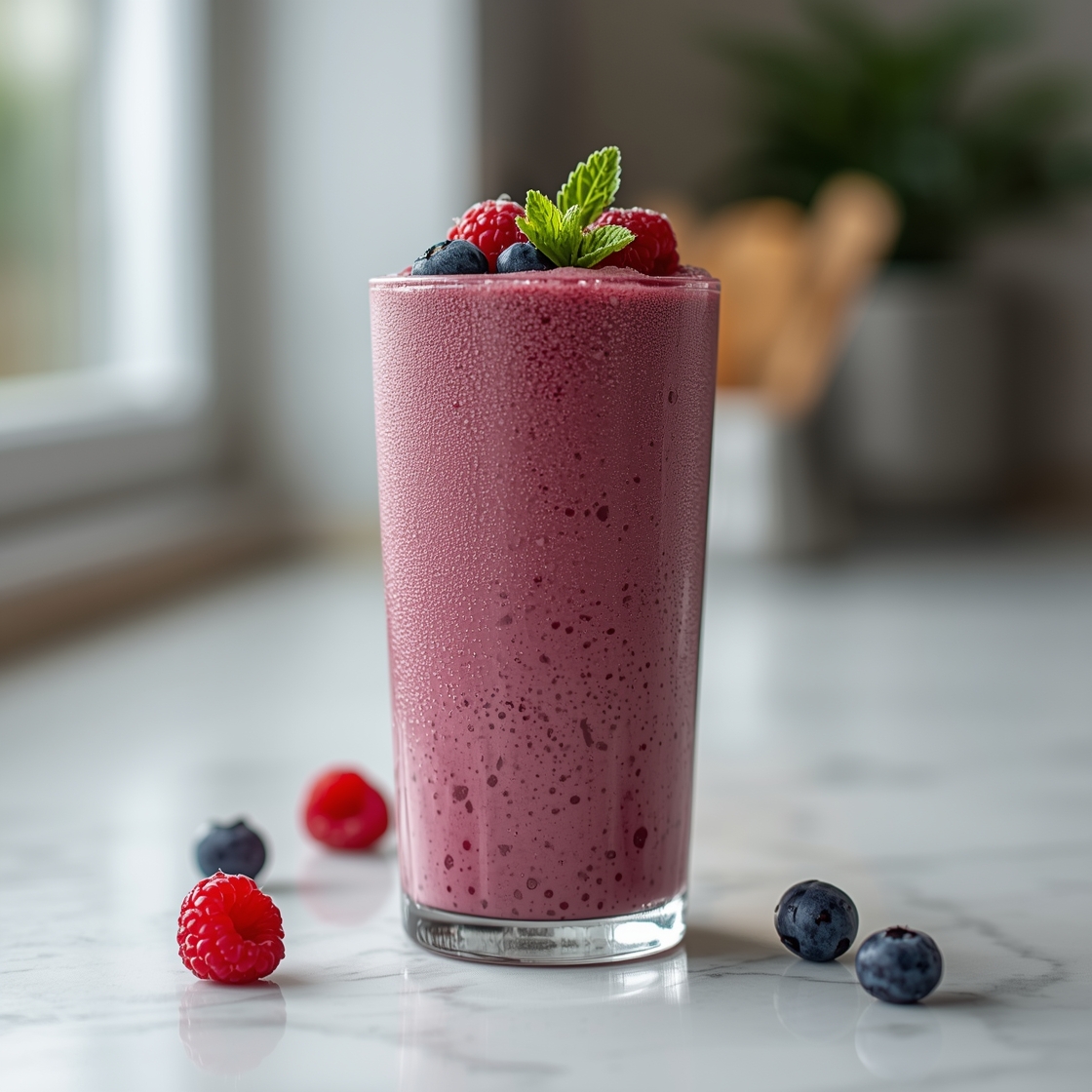 Probiotic
 Tangy Kefir Berry Smoothie
A thick, creamy smoothie packed with probiotic kefir, antioxidant-rich berries, and a hint of honey. Gut health in a glass.
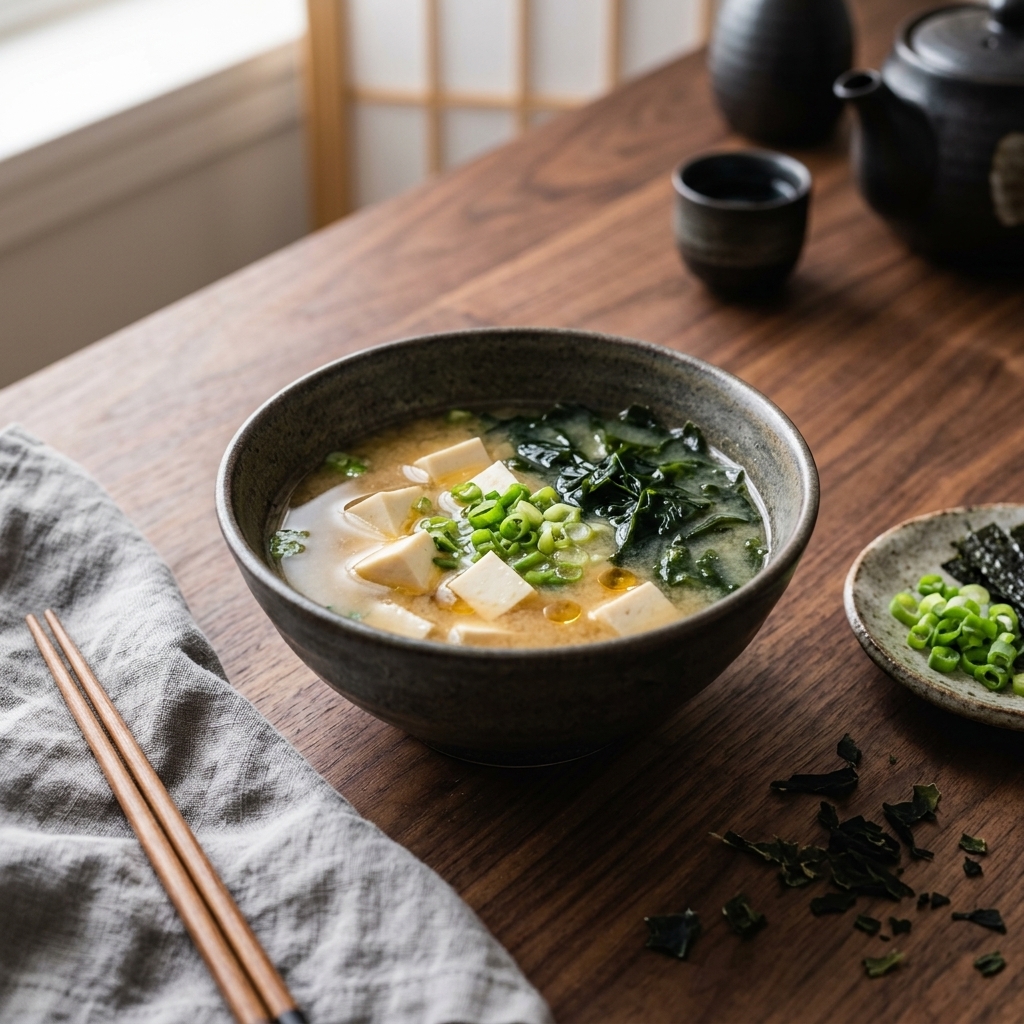 Probiotic
 Creamy Miso Soup with Tofu & Seaweed
A silky, umami-rich miso soup loaded with gut-friendly fermented miso paste, tofu, and mineral-rich seaweed.
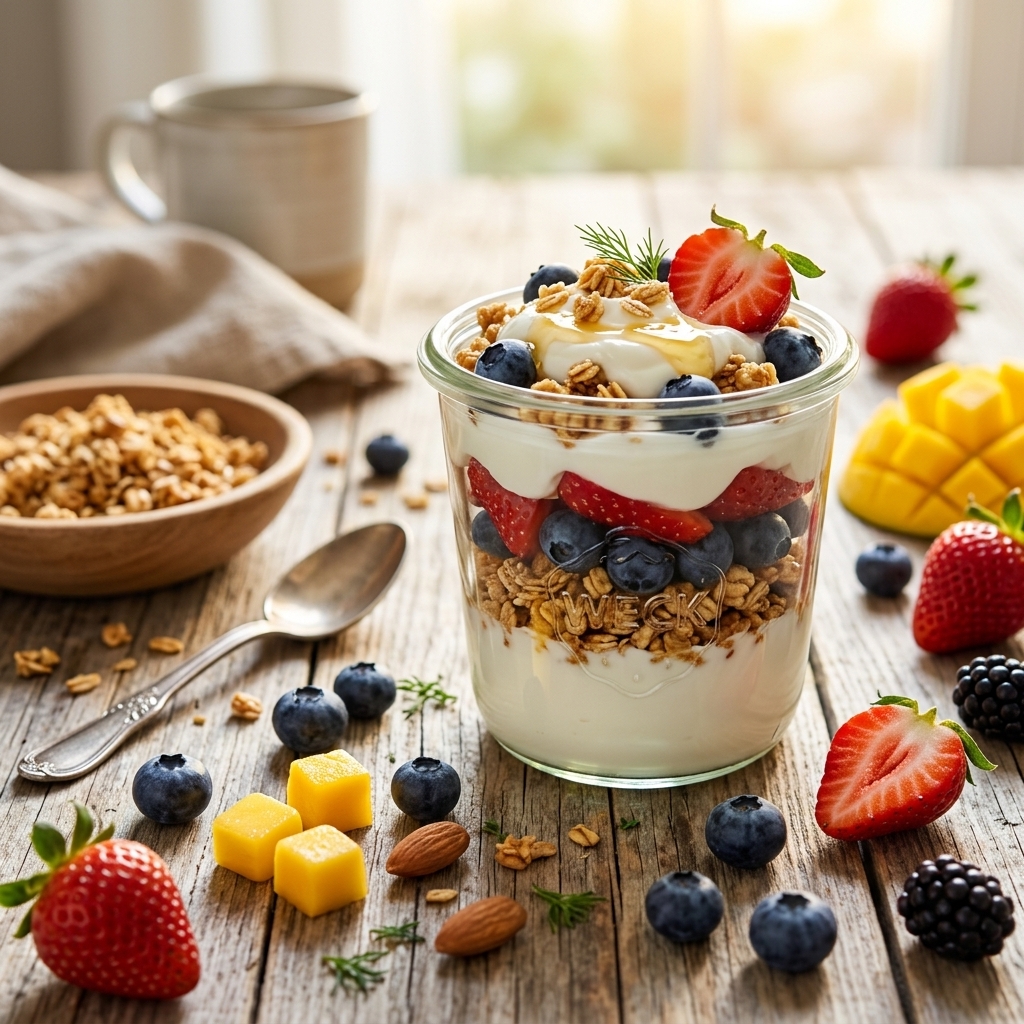 Probiotic
 Probiotic Yogurt Parfait with Granola
Layers of creamy probiotic yogurt, crunchy homemade granola, and fresh fruit. A beautiful, gut-healing breakfast in 10 minutes.