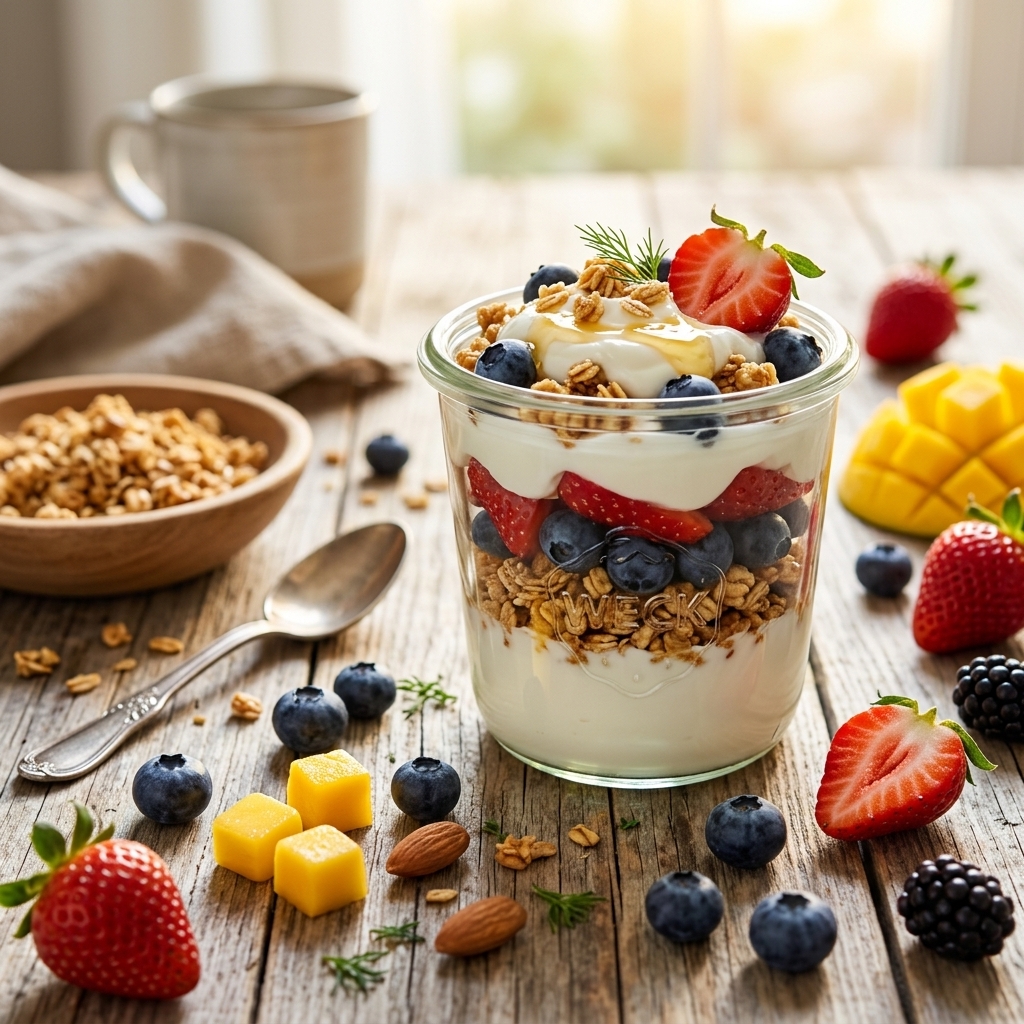
Probiotic Yogurt Parfait with Granola
Layers of creamy probiotic yogurt, crunchy homemade granola, and fresh fruit. A beautiful, gut-healing breakfast in 10 minutes.
Gut Health Benefit
Live-culture yogurt contains Lactobacillus bulgaricus and Streptococcus thermophilus, two well-studied probiotic strains. The combination with prebiotic-rich honey and fiber from granola and fruit creates a synbiotic effect — probiotics and prebiotics working together.
Why This Recipe Is Great for Your Gut
This parfait is a textbook example of a synbiotic meal — a dish that combines probiotics (live beneficial bacteria) with prebiotics (the fibers that specifically feed those bacteria). Synbiotics are considered the gold standard of microbiome nutrition because they are significantly more effective than either probiotics or prebiotics consumed alone. The prebiotic components directly nourish and support the probiotic organisms, helping them survive the journey through stomach acid and establish residence in your colon.
The foundation of this parfait is plain Greek yogurt made with live and active cultures. Quality Greek yogurt contains two well-studied probiotic strains: Lactobacillus bulgaricus and Streptococcus thermophilus. Many brands also include Lactobacillus acidophilus and Bifidobacterium lactis. What makes Greek yogurt particularly powerful is its straining process, which concentrates the protein (18g per serving in this recipe) and reduces the lactose content. The high protein feeds satiety while the probiotics colonize the gut. Research from the American Journal of Clinical Nutrition has shown that regular yogurt consumption is associated with increased microbial diversity and reduced prevalence of type 2 diabetes.
The granola and fruit layers serve as the prebiotic fuel. Oat-based granola provides beta-glucan fiber, blueberries deliver anthocyanin polyphenols, and raw honey contains unique oligosaccharides that selectively feed Bifidobacteria. The chia seeds sprinkled on top absorb liquid and form a mucilaginous gel that soothes the digestive tract and slows sugar absorption. Every layer of this parfait has a specific gut health function — it is designed, not just assembled.
The visual beauty of the layered parfait is intentional, too. Research in behavioral nutrition shows that aesthetically presented food increases meal satisfaction and mindful eating, both of which positively affect digestion by promoting slower eating and thorough chewing.
Key Ingredients for Gut Health
Greek Yogurt (Live & Active Cultures)
The critical distinction is between yogurt with live and active cultures and heat-treated yogurt (which has no probiotic benefit). Always check the label for the “Live & Active Cultures” seal. Greek yogurt is strained to remove whey, which concentrates the protein to nearly double that of regular yogurt (15–20g per cup vs. 8–12g). This protein is primarily casein, which digests slowly and provides sustained amino acid delivery. The low lactose content (2–5g per serving vs. 12g in regular yogurt) makes it tolerable for most lactose-sensitive individuals.
Raw Honey
Raw, unpasteurized honey is a natural prebiotic containing unique oligosaccharides that selectively stimulate the growth of Bifidobacteria and Lactobacillus species. It also contains over 200 bioactive compounds, including enzymes, organic acids, and trace minerals. Pasteurized honey loses many of these benefits. In this recipe, the raw honey serves a dual role: it sweetens the parfait naturally while acting as direct fuel for the probiotic bacteria in the yogurt. A 2-tablespoon serving provides approximately 3g of prebiotic oligosaccharides.
Blueberries & Strawberries
This berry combination delivers an extraordinary concentration of polyphenols. Blueberries are the richest fruit source of anthocyanins, which have been shown in human clinical trials to increase populations of Akkermansia muciniphila — a keystone species associated with healthy metabolic function and strong gut barrier integrity. Strawberries provide pelargonidin and fisetin, both of which demonstrate anti-inflammatory effects in the intestinal lining. Together, they provide approximately 3g of dietary fiber per cup.
Ingredients
- 2 cups plain Greek yogurt (must say “live and active cultures” on label)
- 1 cup granola, low-sugar preferred (or homemade — see Tips)
- 1/2 cup fresh blueberries
- 1/2 cup fresh strawberries, hulled and sliced
- 1 ripe banana, sliced into rounds
- 2 tbsp raw honey (not pasteurized)
- 1 tbsp chia seeds
- 1 tsp vanilla extract
- Fresh mint leaves for garnish
Instructions
- Prepare the yogurt base. In a small bowl, stir the vanilla extract into the Greek yogurt until evenly combined. This infuses the entire yogurt with flavor rather than relying on sweetened vanilla yogurt, which often contains excessive sugar.
- Begin the first layer. In two wide glasses, mason jars, or parfait bowls, spoon 2–3 tablespoons of the vanilla yogurt into the bottom. Spread it into an even layer using the back of the spoon.
- Add the crunch layer. Sprinkle a generous layer of granola over the yogurt. Press it down gently so it nestles into the yogurt — this creates a satisfying contrast of textures.
- Add the fruit layer. Arrange a layer of mixed blueberries, sliced strawberries, and banana rounds over the granola. Be generous — the fruit provides both flavor and prebiotic fiber.
- Repeat the layers. Continue layering — yogurt, granola, fruit — until the glass is full, finishing with a final layer of yogurt on top.
- Finish and garnish. Drizzle raw honey over the top layer. Sprinkle with chia seeds and garnish with a fresh mint leaf. Serve immediately for maximum crunch, or refrigerate for 2–4 hours for a softer, pudding-like texture.
Tips
- Choose the right yogurt. The single most important ingredient decision. Look for plain Greek yogurt with “Live & Active Cultures” on the label and minimal ingredients (milk, cultures — that is it). Avoid flavored yogurts with added sugar, as sugar feeds harmful bacteria.
- Make your own granola. Commercial granola is often loaded with sugar (10–15g per serving). For a gut-healthy version: combine 2 cups rolled oats, 1/2 cup chopped nuts, 2 tablespoons coconut oil, 2 tablespoons honey, and 1/2 teaspoon cinnamon. Spread on a baking sheet and bake at 325°F for 20 minutes, stirring halfway through.
- Never heat the yogurt. Temperatures above 115°F kill the live probiotic bacteria. Always serve parfaits cold.
- Add protein. Stir 1 tablespoon of hemp seeds or a scoop of collagen peptides into the yogurt base for an additional 10–15g of protein per serving.
Variations & Substitutions
- Tropical Parfait: Replace the berries with diced mango, kiwi, and passion fruit. Add toasted coconut flakes to the granola layer. The bromelain in kiwi is a natural digestive enzyme.
- Chocolate Parfait: Mix 1 tablespoon of raw cacao powder into the yogurt. Layer with banana slices and cacao nibs. Cacao is rich in flavanols that feed beneficial gut bacteria.
- Savory Parfait: Use plain (non-vanilla) yogurt layered with cucumber, cherry tomatoes, za’atar spice, and a drizzle of olive oil and lemon juice. This Middle Eastern–inspired version is lower in sugar while still delivering probiotics.
- Dairy-Free Version: Substitute coconut yogurt or cashew yogurt (with live cultures) for the Greek yogurt. Look for brands that specifically add probiotic strains to their plant-based yogurt.
Storage & Meal Prep
- Immediate serving: For the crunchiest texture, assemble and serve immediately. The granola begins to soften within 30 minutes of contact with the yogurt.
- Overnight parfait: For a meal-prep approach, assemble the parfaits in mason jars the night before. By morning, the granola will have softened into a chewy, pudding-like texture — many people actually prefer this. The chia seeds will have expanded and created a thick, satisfying consistency.
- Separate storage: For the best of both worlds, store the yogurt-fruit mixture and the granola separately. Combine right before eating to maintain crunch.
- Shelf life: Assembled parfaits keep for up to 2 days in the fridge. The yogurt base alone keeps for up to 5 days, but the fruit will release juice over time.
Frequently Asked Questions
What makes Greek yogurt a probiotic?
Greek yogurt becomes a probiotic food through the fermentation process. Milk is inoculated with specific bacterial cultures (Lactobacillus bulgaricus and Streptococcus thermophilus) that consume the lactose in the milk and produce lactic acid. This acidic environment creates the tangy flavor and thick texture. The live bacteria remain in the finished product, and when you eat the yogurt, these organisms travel to your gut where they contribute to a healthy microbiome.
How much sugar should yogurt have?
Ideally, choose plain Greek yogurt with 4–7g of sugar per serving. This natural sugar is primarily residual lactose, not added sugar. Flavored yogurts can contain 15–25g of sugar per serving — much of it added — which feeds pathogenic bacteria and counteracts the probiotic benefits. If you need sweetness, add your own raw honey or fresh fruit, which come with prebiotic fibers.
Can I use regular yogurt instead of Greek yogurt?
Yes, but Greek yogurt is preferred for two reasons: higher protein (nearly double) and lower lactose. Both types contain live probiotic cultures if properly labeled. If you use regular yogurt, the parfait layers may be thinner and runnier. Skyr (Icelandic yogurt) is another excellent substitute with even higher protein content.
Is this parfait suitable for weight loss?
Yes — this parfait is well-suited for weight management. The combination of 18g of protein and 6g of fiber creates strong satiety that reduces snacking. The live probiotics in yogurt have been associated with reduced abdominal fat in several clinical studies. To reduce calories further, use low-fat Greek yogurt and reduce the honey to 1 tablespoon.
Can kids eat this parfait?
Absolutely. This is one of the best gut health foods for children. The layered presentation makes it visually appealing and fun to eat, and the combination of flavors is universally kid-friendly. For children under 12 months, omit the honey (due to botulism risk) and use mashed banana as the sweetener instead.
More Probiotic Recipes
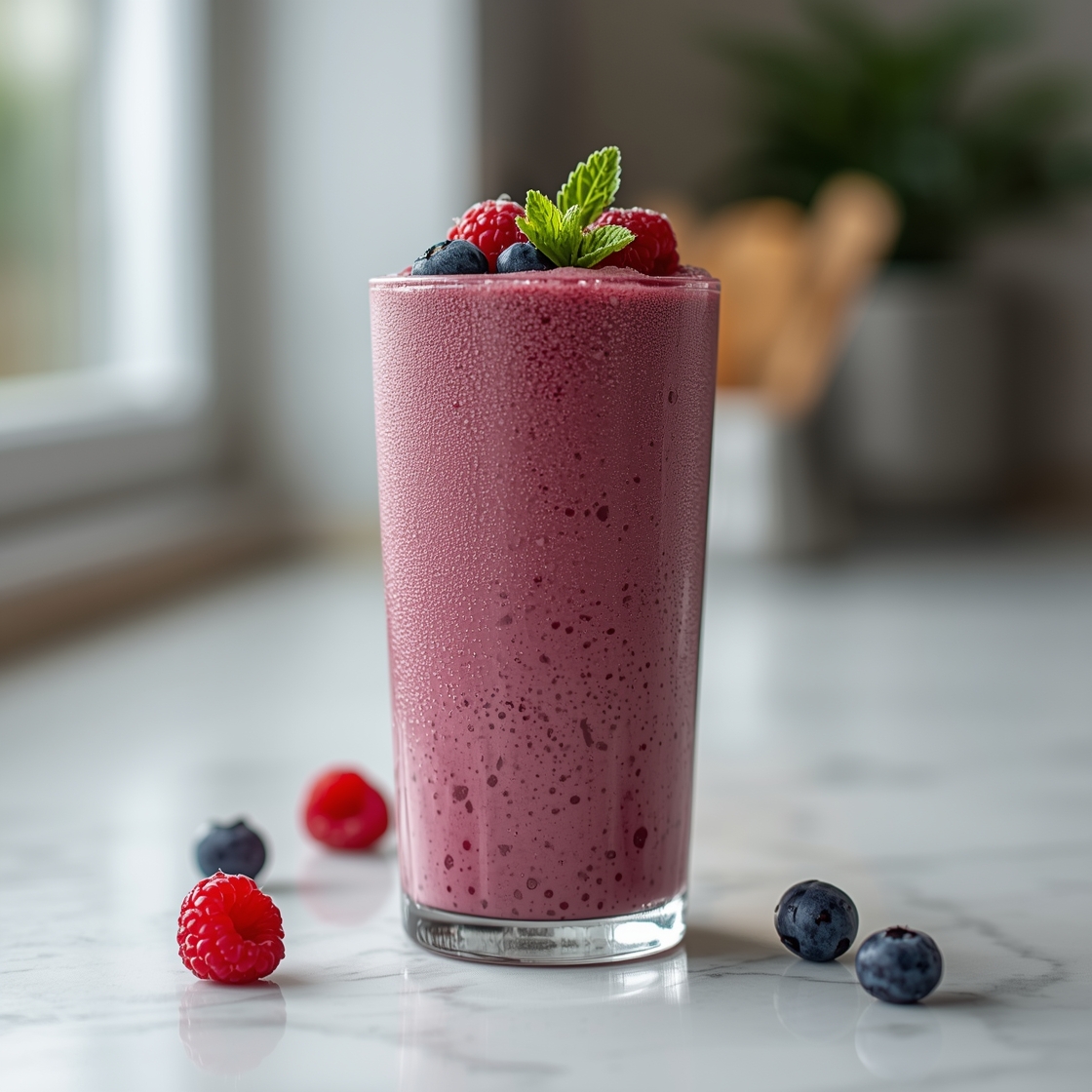 Probiotic
 Tangy Kefir Berry Smoothie
A thick, creamy smoothie packed with probiotic kefir, antioxidant-rich berries, and a hint of honey. Gut health in a glass.
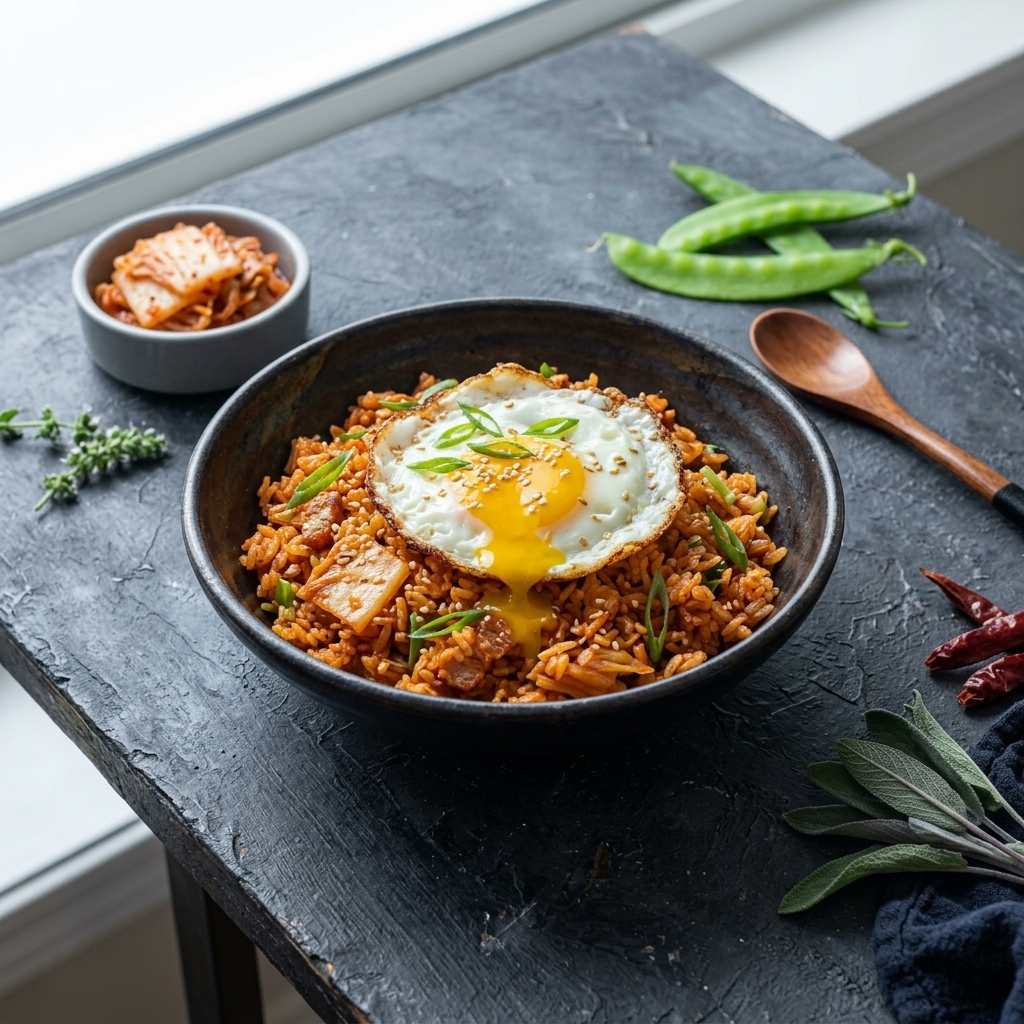 Probiotic
 Kimchi Fried Rice
A quick, probiotic-packed fried rice bursting with tangy kimchi flavor. Ready in just 20 minutes.
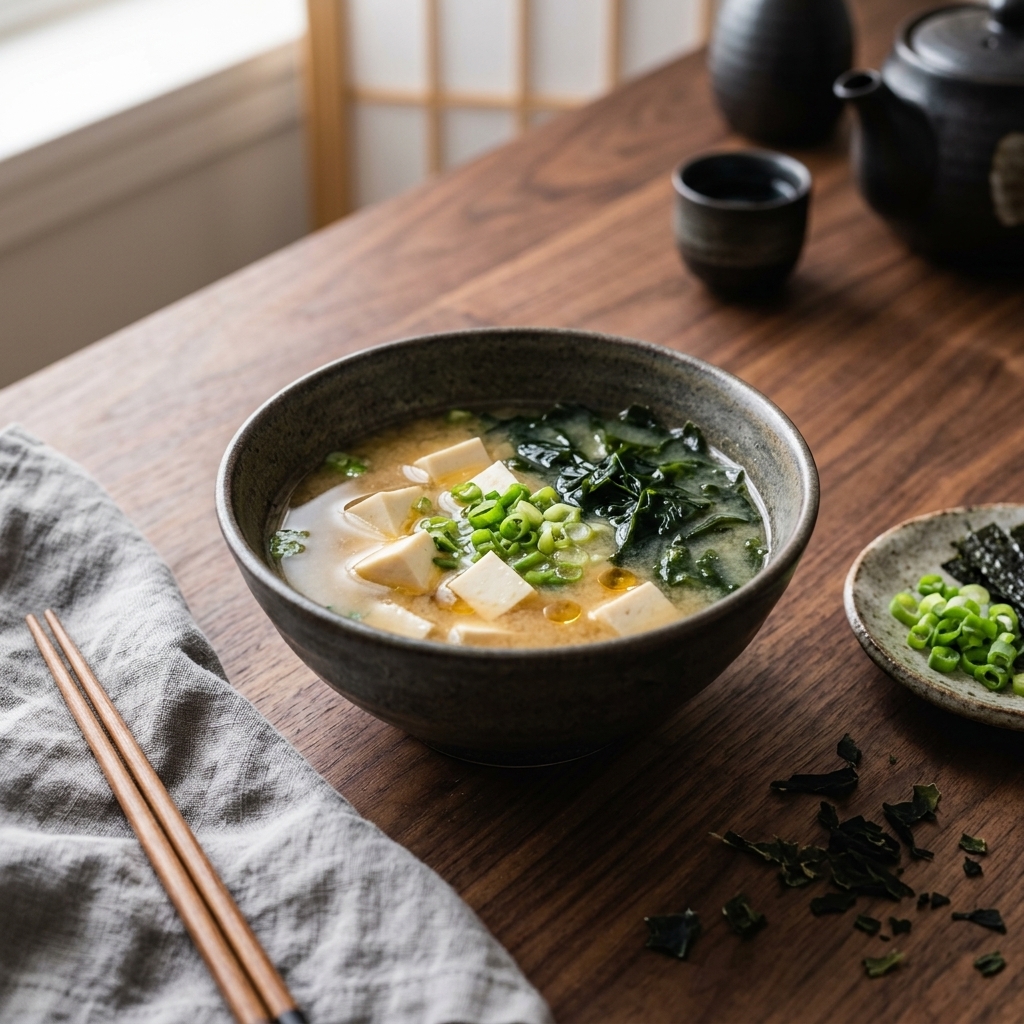 Probiotic
 Creamy Miso Soup with Tofu & Seaweed
A silky, umami-rich miso soup loaded with gut-friendly fermented miso paste, tofu, and mineral-rich seaweed.