Skip to content

Mediterranean Chickpea Salad

A fiber-packed lunch salad with chickpeas, cucumber, tomato, red onion, kalamata olives, and a lemon-herb vinaigrette — 12g of fiber and ready in 15 minutes.

Jump to recipe
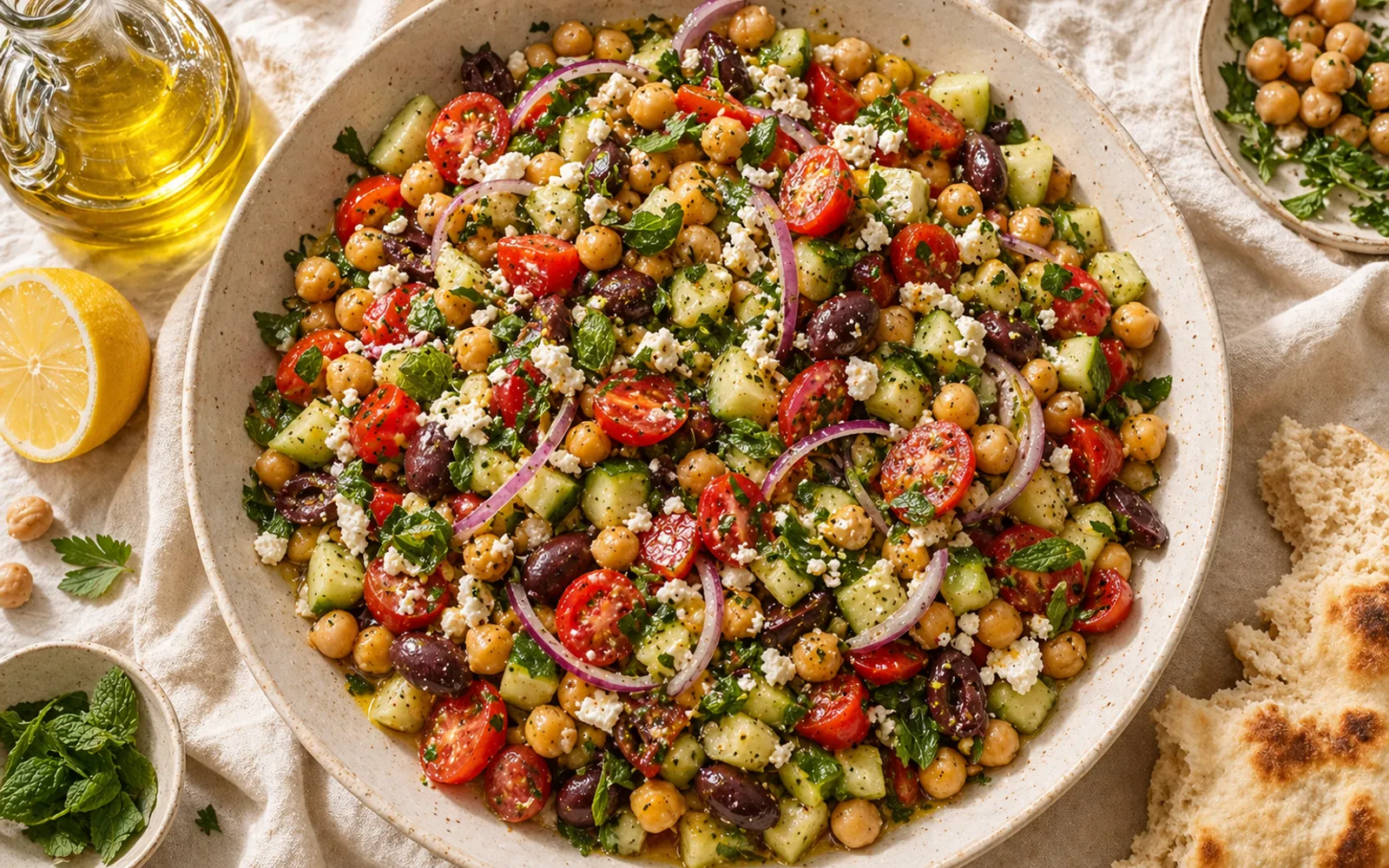
Mediterranean Chickpea Salad — GutPlate recipe photo
Prep
15 min
Cook
Total
15 min
Serves
4 generous servings

Why you'll love this recipe

  • 12g fiber per serving — nearly half the daily target in one lunch.
  • 15 minutes, zero cooking — assemble and eat.
  • The lemon-herb vinaigrette is restaurant-quality and takes 2 minutes.
  • Gets better overnight — the ideal meal-prep lunch.
  • Naturally vegan and gluten-free (omit feta for strict vegan).
  • Under $2 per serving — canned chickpeas are one of the cheapest protein sources.

This is the lunch that earns its place in your weekly rotation by being better on day two than day one. Fresh out of the bowl, it’s bright, crunchy, and satisfying. After a night in the fridge, the chickpeas have absorbed the lemon-herb vinaigrette, the flavors have melded, and it’s become something genuinely crave-worthy — the kind of meal-prep lunch you actually look forward to opening.
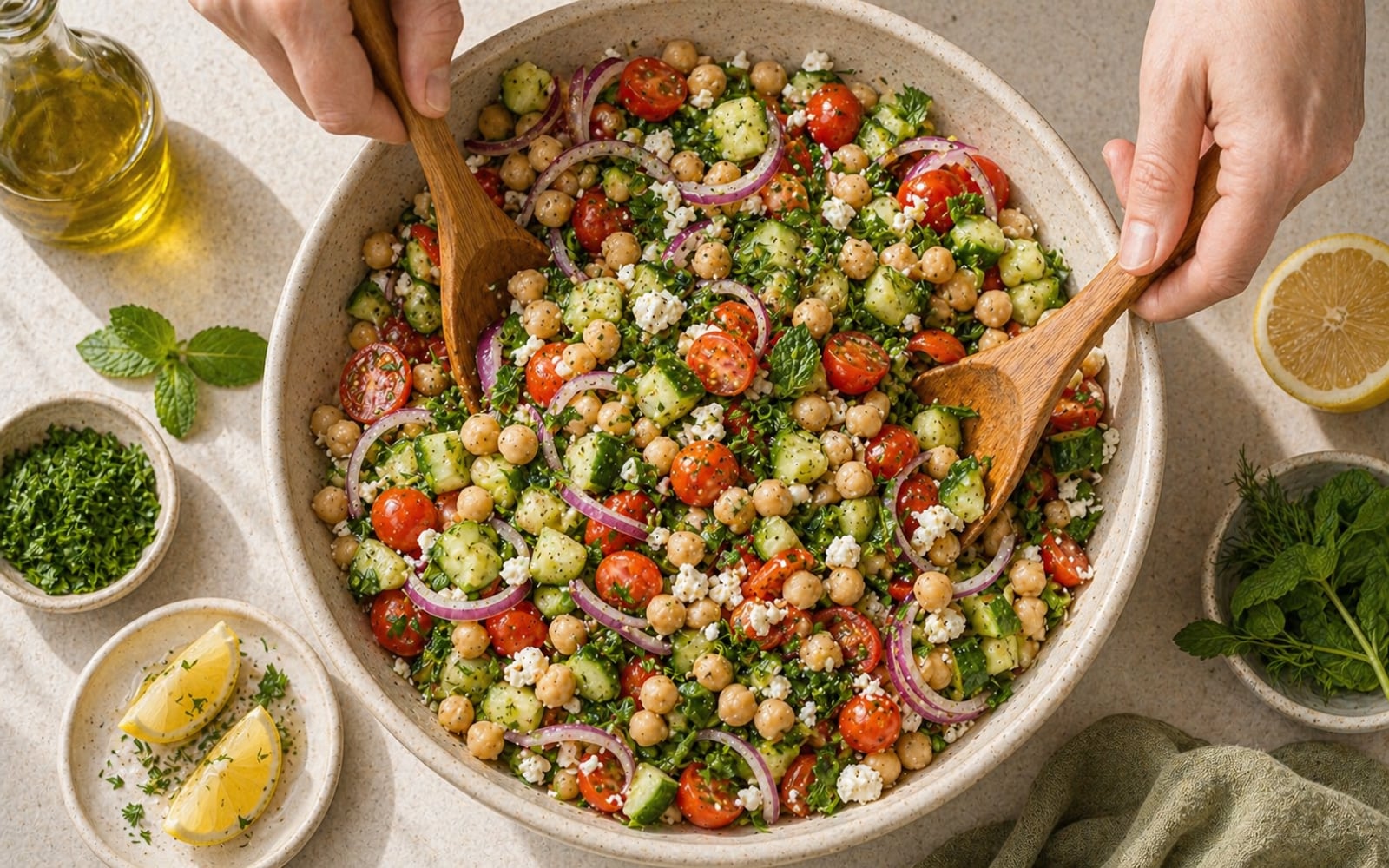
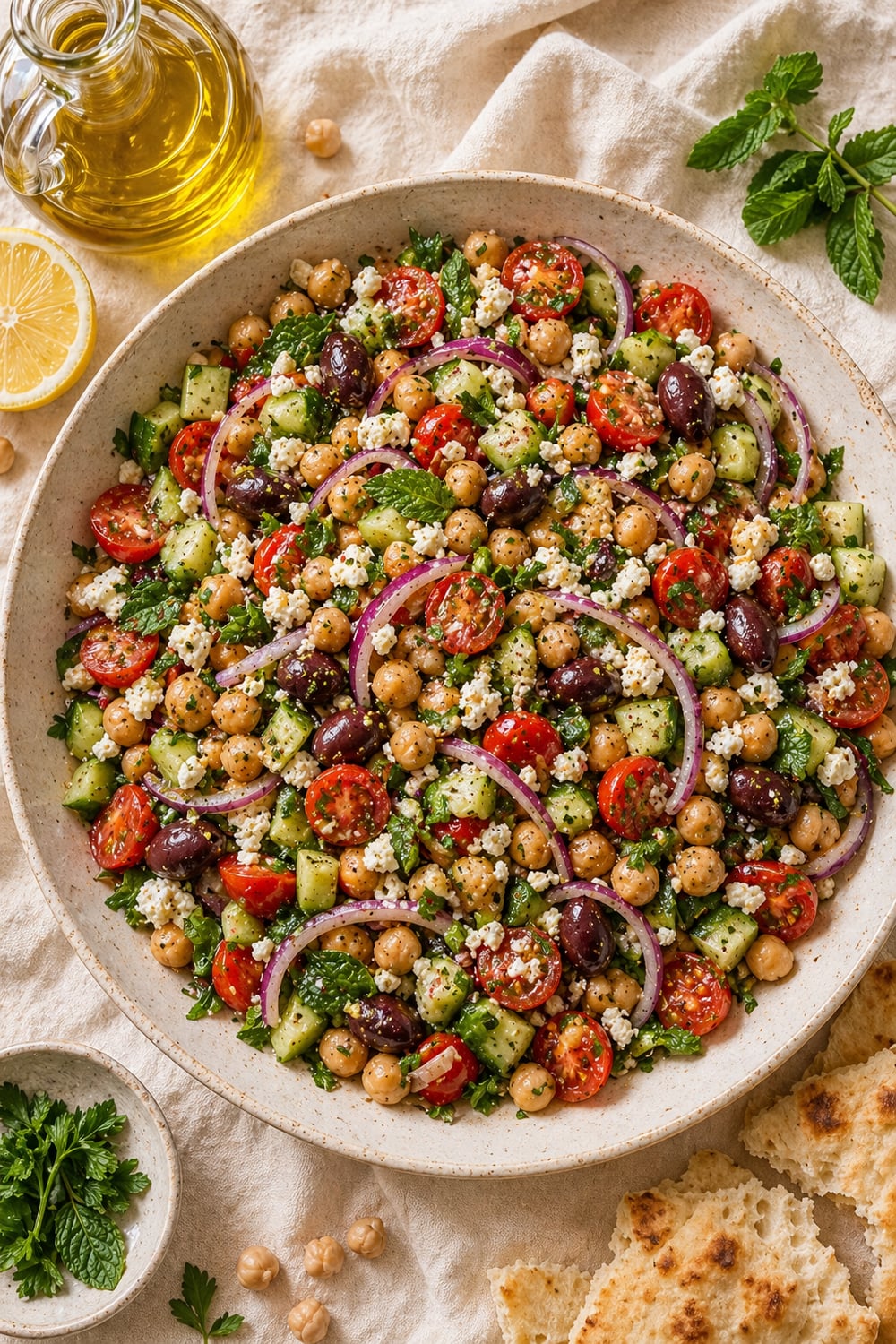
A large bowl of Mediterranean chickpea salad being tossed — chickpeas, diced cucumber, tomatoes, red onion, feta, and herbs with lemon vinaigrette.

The building blocks are simple: two cans of chickpeas (drained and rinsed), crisp cucumber, sweet cherry tomatoes, sharp red onion, briny kalamata olives, salty crumbled feta, and a handful of fresh herbs. The vinaigrette ties it together — extra-virgin olive oil, lemon juice, a splash of red wine vinegar, garlic, and dried oregano. Whisked in a bowl, it takes two minutes and is immeasurably better than anything bottled.

The key to this salad is seasoning courage. Chickpeas are starchy and absorb dressing like a sponge. What tastes well-seasoned at first will taste mild after 30 minutes in the fridge. Salt generously. Squeeze extra lemon. Be bold with the pepper. Taste before you serve and adjust.

For meal prep: make the full batch on Sunday but hold back the herbs and feta. The vinaigrette, chickpeas, and vegetables can marinate beautifully, but herbs wilt and feta dissolves if they sit in acid too long. Portion into four containers, and add a pinch of fresh parsley and crumbled feta when you’re ready to eat. Whole-grain pita on the side makes this a complete meal.
Key ingredients

Why these ingredients

Chickpeas

One of the highest-fiber legumes at 12g per cup. The primary prebiotic component is raffinose and stachyose (GOS), which selectively stimulate Bifidobacterium growth. Also delivers complete-ish plant protein — only slightly low in methionine, which the feta or grains complement.

Extra-virgin olive oil

Rich in oleic acid and polyphenols (oleocanthal, hydroxytyrosol) with demonstrated anti-inflammatory effects on the gut epithelium. The polyphenols in EVOO also function as prebiotics — about 90% reach the colon where they're metabolized by gut bacteria.

Fresh herbs (parsley, mint)

Fresh herbs contribute chlorophyll, flavonoids, and volatile oils with antimicrobial properties. Parsley is particularly high in apigenin, a flavonoid with anti-inflammatory effects. Mint contains menthol, which has carminative (anti-gas) properties — helpful when eating high-fiber foods.

Red onion

High in quercetin (the purple-red pigment) and inulin-type fructans — potent prebiotics. Raw onion delivers more intact prebiotics than cooked, since heat degrades some of the fructan chains.

Before you start

Equipment

  • Large mixing bowl

  • Small whisk or fork

    for the vinaigrette

Recipe card

Mediterranean Chickpea Salad

Prep
15 min
Cook
0 min
Total
15 min
Servings
4

Ingredients

Salad

Lemon-herb vinaigrette

Instructions

Notes

  • Rinsing canned chickpeas reduces sodium by about 40% and removes the starchy liquid that can make the salad gummy.
  • If raw red onion is too sharp, soak the slices in cold water for 10 minutes. This draws out the sulfur compounds that cause the bite.
  • This salad gets better on day 2 as the chickpeas absorb the vinaigrette. It's an ideal meal-prep lunch.

Nutrition per serving

Estimated; see our disclaimer.

Cal
340 kcal
Protein
14 g
Carbs
38 g
Fat
16 g
Fiber
12 g
Sugar
6 g
Sat Fat
3 g
Sodium
520 mg
Calcium
120 mg
Iron
4 mg

From our test kitchen

Pro tips

Season aggressively

Chickpeas are starchy and absorb seasoning like a sponge. What tastes well-seasoned at first will taste mild after 30 minutes in the fridge. Start bold — you can always add more lemon and salt at serving.

The overnight effect

If meal-prepping, hold the herbs and feta back. Add them fresh when serving. The vinaigrette and vegetables can marinate overnight, but herbs wilt and feta crumbles if dressed too early.

Keep it fresh

Storage & reheating

Make ahead

This is one of the best meal-prep recipes. Make the full batch Sunday, portion into 4 containers, and grab-and-go all week. Add herbs fresh at serving.

Fridge

3-4 days in an airtight container. Keeps well without getting soggy — the chickpeas are sturdy.

Freezer

Not recommended — cucumber and tomato don't freeze well.

Make it yours

Variations

Greek-style with grains

Add 1 cup cooked farro or quinoa for a heartier salad. The grain adds resistant starch (especially if cooked and cooled) and makes this a complete one-bowl meal.

Roasted chickpea version

Toss half the chickpeas with olive oil, paprika, and salt. Roast at 425°F for 20 minutes until crispy. Add them warm to the salad for a hot-cold contrast.

Middle Eastern-style (fattoush)

Add 1 cup torn pita chips, replace vinaigrette with sumac-lemon dressing (add 1 tablespoon ground sumac), and include 1/4 cup pomegranate seeds.

Pantry swaps

Ingredient substitutions

Instead of

Chickpeas

Use

White beans (cannellini) or butter beans

Similar fiber content, creamier texture. Both work well in Mediterranean salads.

Instead of

Feta cheese

Use

Avocado chunks or marinated tofu

For vegan. Avocado adds creaminess and healthy fats. Marinated tofu mimics the salty-tangy quality of feta.

Instead of

Red wine vinegar

Use

Apple cider vinegar

Slightly different flavor profile but works well. ACV also contributes trace acetobacter cultures.

The evidence

Why this is good for your gut

This salad is essentially a prebiotic fiber delivery system disguised as a Mediterranean lunch.

Chickpeas are among the richest dietary sources of galacto-oligosaccharides (GOS) — short-chain carbohydrates that are selectively fermented by *Bifidobacterium* species in the colon.[1] A single cup of chickpeas provides about 12g of total dietary fiber, of which 4-5g are GOS. This is a significant prebiotic dose — clinical studies have shown measurable increases in *Bifidobacterium* from as little as 2.5g of GOS per day.

The gas that some people experience from chickpeas is a direct result of this fermentation — it's hydrogen and methane produced as colonic bacteria metabolize the GOS. This effect diminishes with regular consumption over 2-3 weeks as the GOS-fermenting bacterial populations stabilize and gas production becomes more efficient (less gas per gram of fiber).[2]

Extra-virgin olive oil contributes a different mechanism. Its polyphenols — particularly oleocanthal and hydroxytyrosol — are poorly absorbed in the small intestine, meaning they reach the colon where they function as prebiotics.[3] These polyphenols selectively promote the growth of *Lactobacillus* and *Bifidobacterium* while inhibiting pathogenic species. The oleic acid in EVOO also supports the integrity of the intestinal barrier by modulating tight junction protein expression.

The raw red onion adds inulin-type fructans — another class of prebiotic fiber that feeds different bacterial species than the GOS in chickpeas. Eating diverse prebiotic fibers (GOS + fructans + polyphenols) in a single meal promotes greater microbial diversity than any single fiber type alone.

Good questions

Frequently asked questions

Can I use dried chickpeas?

Absolutely. Soak 1 cup dried chickpeas overnight, then cook in salted water for 45-60 minutes until tender. You'll get about 2.5 cups cooked — roughly equivalent to 2 cans. Dried chickpeas have a better texture (firmer, creamier) than canned.

Is this low-FODMAP?

No. Chickpeas are high in GOS, and garlic and onion are high in fructans. This is a great recipe for GOS reintroduction testing during FODMAP phase 2 — start with 2 tablespoons of chickpeas per serving.

How do I make this a full meal?

Add grilled chicken, baked salmon, or hard-boiled eggs for protein. Serve over a bed of mixed greens or with warm pita bread.

Chickpeas give me gas. What can I do?

Start with smaller portions (1/4 cup) and increase over 2-3 weeks. Your microbiome needs time to build up the bacterial populations that efficiently ferment GOS. Cooking chickpeas from dried (rather than canned) also reduces oligosaccharides slightly.

References

  1. Galacto-oligosaccharides as prebiotic food ingredients in modulating gut microbiota — Current Opinion in Food Science↩ back
  2. Adaptation to chronic legume consumption: reduced gas production with daily intake — Journal of Nutrition↩ back
  3. Olive oil polyphenols and the gut microbiome — Nutrients↩ back

Loved this recipe?

Save it to your Pinterest boards or share with a friend who needs more gut-friendly weeknight meals.

Newsletter

Weekly gut-friendly recipes, straight to your inbox.

One email every Sunday — new recipes, a practical gut-health tip, and zero spam. Unsubscribe anytime.

No spam 1-click unsubscribe

Signup coming soon. Follow us on Pinterest in the meantime.

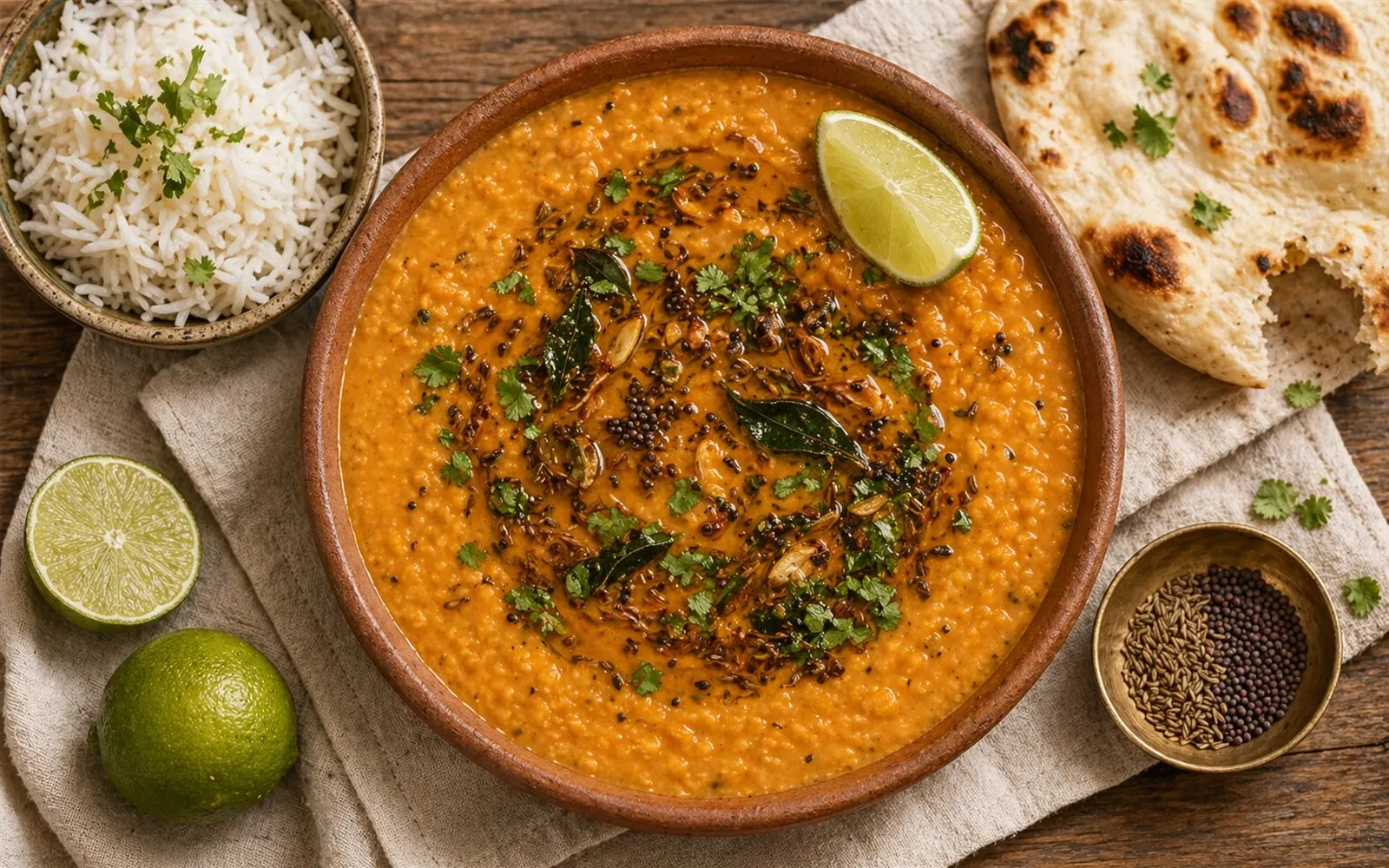
Coconut Red Lentil Dal — GutPlate recipe photo
dinner 35 min

Coconut Red Lentil Dal

A 30-minute one-pot dal with red lentils, coconut milk, turmeric, and a cumin-mustard seed tarka — creamy, warming, and loaded with prebiotic fiber.

4 servings View recipe
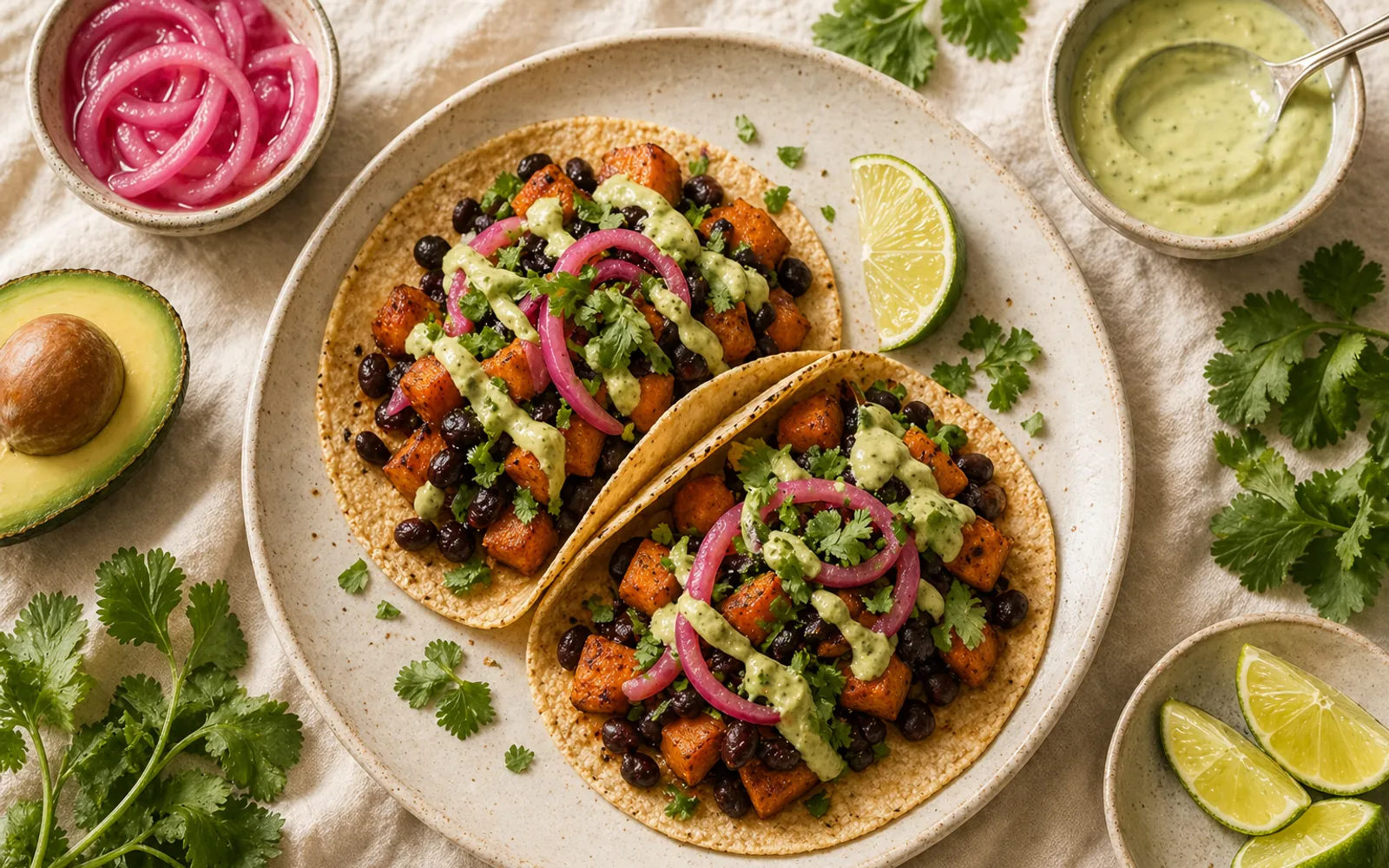
Black Bean & Sweet Potato Tacos — GutPlate recipe photo
dinner 35 min

Black Bean & Sweet Potato Tacos

Roasted sweet potato and seasoned black beans in warm tortillas with pickled red onion, avocado crema, and fresh cilantro — 14g of fiber and ready in 35 minutes.

4 servings View recipe
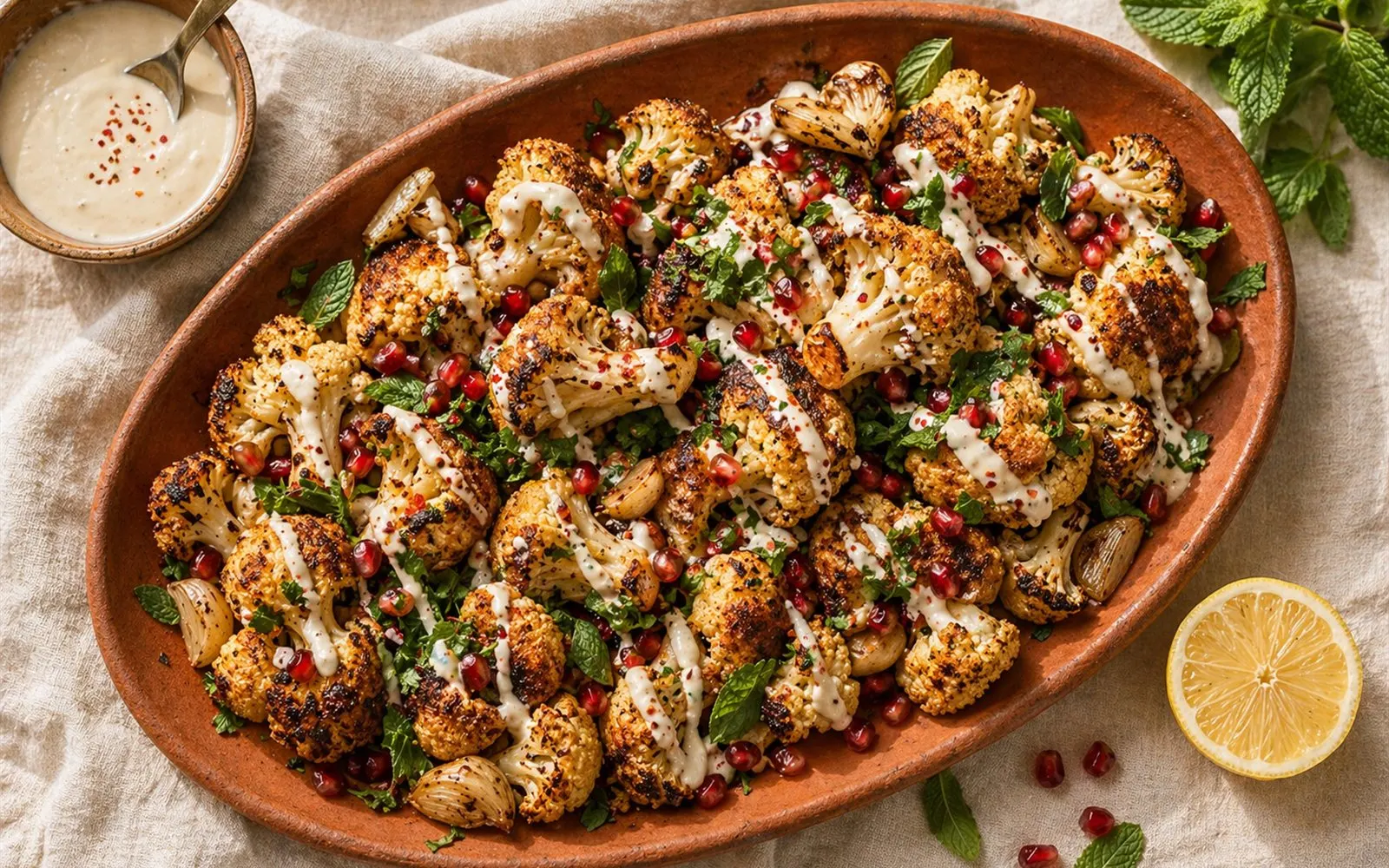
Garlic-Roasted Cauliflower with Tahini & Herbs — GutPlate recipe photo
sides 40 min

Garlic-Roasted Cauliflower with Tahini & Herbs

Whole cauliflower florets roasted until deeply golden, drizzled with lemon-tahini sauce and fresh herbs — a high-fiber side that feeds your gut bacteria as much as it feeds you.

4 servings View recipe