Skip to content

Garlic-Roasted Cauliflower with Tahini & Herbs

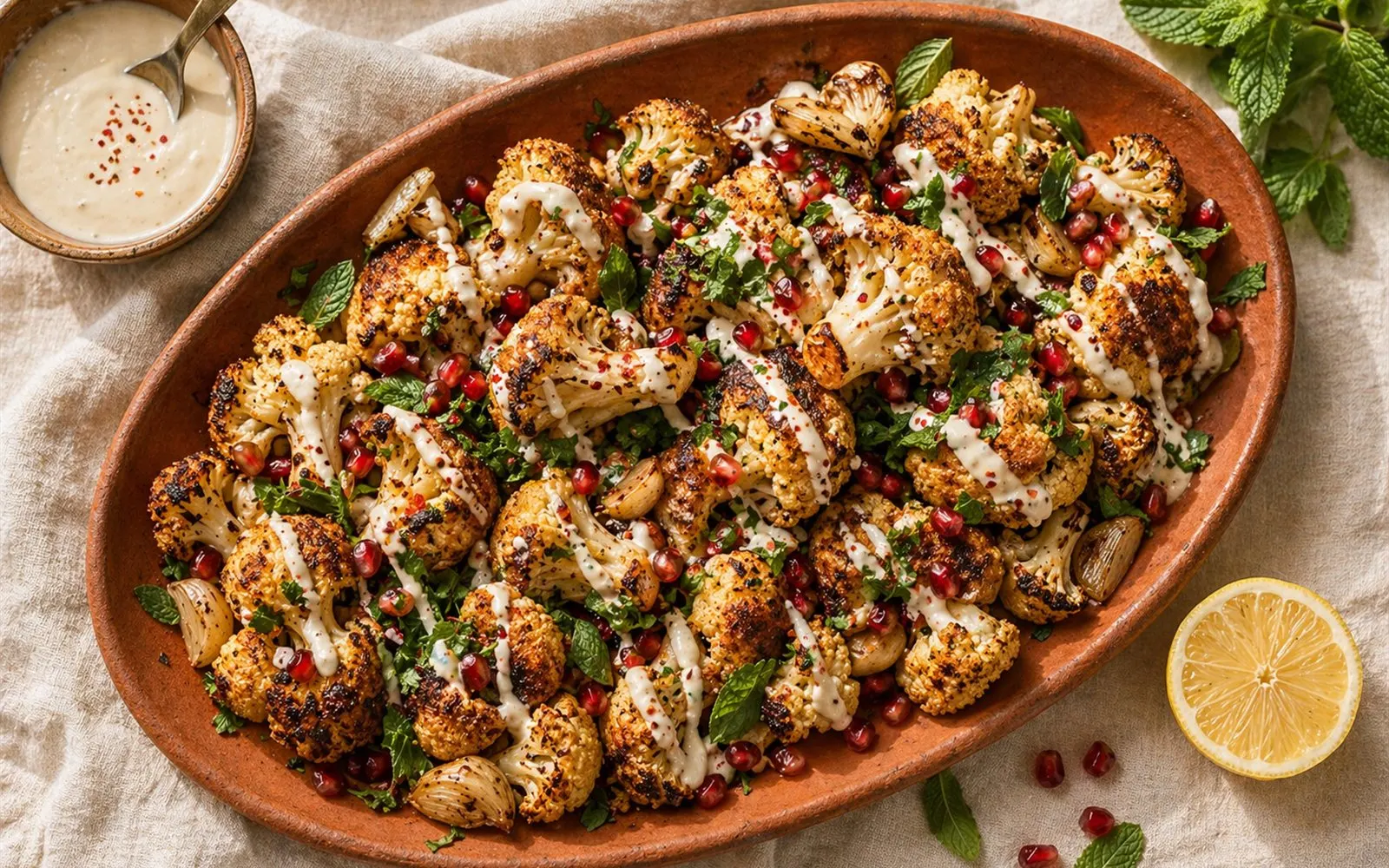
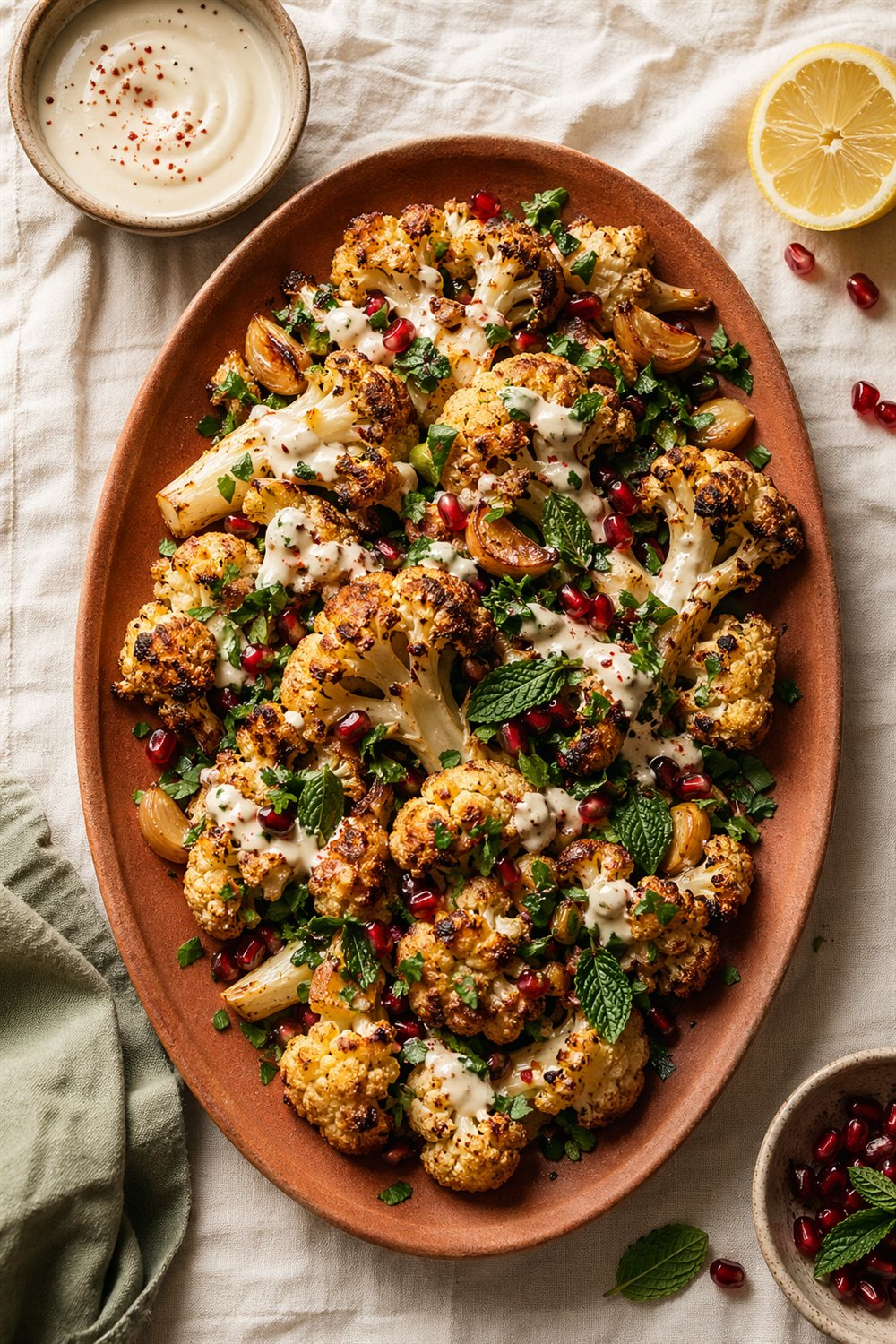
Whole cauliflower florets roasted until deeply golden, drizzled with lemon-tahini sauce and fresh herbs — a high-fiber side that feeds your gut bacteria as much as it feeds you.

Jump to recipe
Garlic-Roasted Cauliflower with Tahini & Herbs — GutPlate recipe photo
Prep
10 min
Cook
30 min
Total
40 min
Serves
4 side servings

Why you'll love this recipe

  • A 10-minute hands-on side that looks like you spent an hour.
  • Cauliflower's prebiotic fiber feeds your gut's Bifidobacterium colonies.
  • Tahini adds plant-based protein and healthy fats without dairy.
  • Naturally vegan and gluten-free — works with any main course.
  • Meal-prep friendly — tastes even better the next day as the tahini soaks in.
  • Smashed garlic roasts to a sweet jam you'll want to spread on everything.

There’s a reason roasted cauliflower shows up on every restaurant menu that takes vegetables seriously. When you give it enough heat and enough space on the pan, cauliflower transforms from something pale and forgettable into something golden, nutty, and almost meaty at the edges. The trick is simple and non-negotiable: high heat, single layer, don’t touch it.
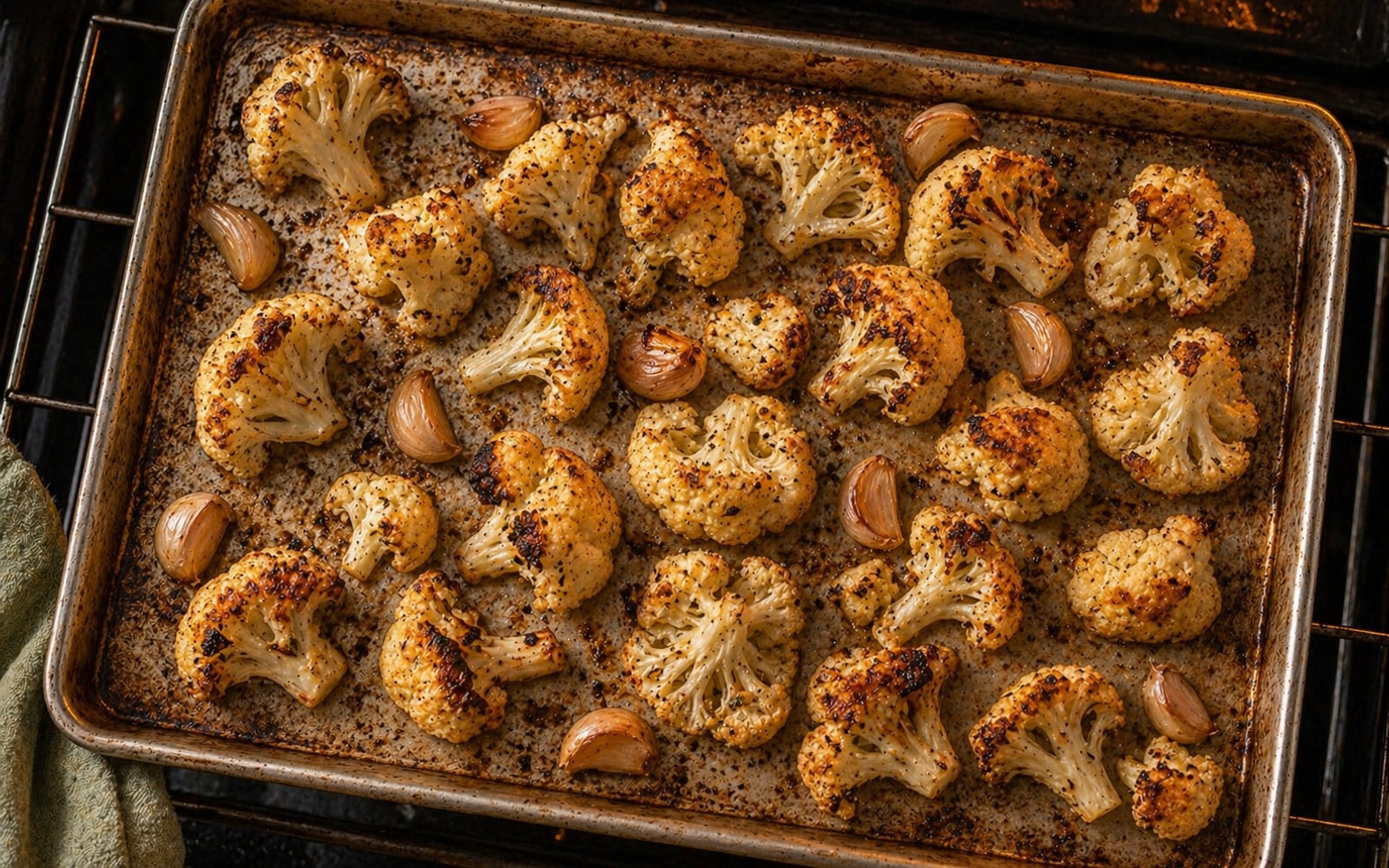
A sheet pan of cauliflower florets roasting in the oven, edges deeply golden and charred, with whole garlic cloves scattered between the pieces.

The lemon-tahini drizzle turns this from a side dish into something you’ll build a plate around. Tahini has a way of making vegetables feel substantial — the sesame fat coats your palate, the lemon cuts through, and the raw garlic adds a sharp bite that softens as it mingles with the warm florets. If your tahini seizes when you add the lemon, don’t panic — just keep whisking in warm water a teaspoon at a time, and it will smooth out.

Fresh herbs and pomegranate seeds at the end aren’t optional garnish. The parsley and mint add brightness that lifts the whole dish, and the pomegranate seeds pop with a tart sweetness that contrasts the smoky, nutty base. If pomegranates aren’t in season, toasted pine nuts or a handful of dried barberries do the same job.

This is the kind of side that quietly does gut-health work in the background — prebiotic fiber from the cauliflower, anti-inflammatory lignans from the tahini, sulforaphane from the Brassica family — without ever tasting like a health food compromise. It tastes like dinner at a place you’d actually want to eat.

Key ingredients

Why these ingredients

Cauliflower

A cruciferous vegetable rich in sulforaphane, a compound that activates the Nrf2 pathway — your body's main antioxidant defense system. Cauliflower also contains about 2g of fiber per cup, including both insoluble fiber (for motility) and soluble fiber (for bacterial fermentation).

Tahini

Ground sesame seeds deliver lignans (sesamin and sesamolin) that have anti-inflammatory properties, plus calcium and iron in plant-available forms. The fat in tahini also helps your body absorb fat-soluble vitamins from the cauliflower.

Garlic (roasted)

Raw garlic contains allicin, a potent antimicrobial. Roasting converts it to milder but still bioactive compounds like S-allyl cysteine, which has demonstrated prebiotic effects — selectively encouraging Lactobacillus growth in animal models.

Lemon juice

The citric acid helps maintain tahini's emulsion and adds brightness, but it also enhances iron absorption from the tahini and cauliflower by reducing ferric iron to the more absorbable ferrous form.

Fresh herbs (parsley + mint)

Parsley is surprisingly rich in apigenin, a flavonoid with anti-inflammatory properties. Mint contains rosmarinic acid, which may help reduce gut spasms — a reason it's traditionally served after meals in Mediterranean cultures.

Before you start

Equipment

  • Large sheet pan

    half-sheet (18×13 in) gives enough room for a single layer

  • Parchment paper

    prevents sticking without extra oil

  • Small whisk or fork

    for the tahini sauce

Recipe card

Garlic-Roasted Cauliflower with Tahini & Herbs

Prep
10 min
Cook
30 min
Total
40 min
Servings
4

Ingredients

Lemon-tahini drizzle

Finish

Instructions

Notes

  • High heat is non-negotiable. Below 400°F the cauliflower steams instead of caramelizes — you want those Maillard browning flavors.
  • Don't skip the smashed garlic roasted alongside the florets — it turns sweet and jammy and mixes into the tahini when you eat.
  • This keeps well as a meal-prep side; the tahini soaks in and improves overnight.

Nutrition per serving

Estimated; see our disclaimer.

Cal
195 kcal
Protein
6 g
Carbs
14 g
Fat
15 g
Fiber
5 g
Sugar
4 g
Sat Fat
2 g
Sodium
340 mg
Calcium
75 mg
Iron
2 mg

From our test kitchen

Pro tips

Single layer is everything

If your florets overlap, the trapped steam prevents browning. Use two pans if needed — crispy edges are the whole point of roasted cauliflower.

Flip once, not constantly

Let the florets sit undisturbed for 15 minutes to build a proper crust on the bottom. One flip is all they need.

Warm water for tahini

Cold liquid causes tahini to seize. Always use warm (not hot) water when thinning your sauce.

When things go sideways

Troubleshooting

Cauliflower is soft and pale, not crispy.

Two likely causes: oven too low or pan too crowded. Crank to 425°F minimum and spread florets so none are touching. Moisture is the enemy of browning.

Tahini sauce is too thick to drizzle.

Add warm water a teaspoon at a time, whisking constantly. It will go through a 'seized' stage before loosening — keep going.

Garlic cloves burned.

Tuck them under or between the florets so they're shielded from direct heat. Smashed cloves burn faster than whole ones.

Keep it fresh

Storage & reheating

Make ahead

Cut and season the florets up to a day ahead, store in a ziploc in the fridge. Make the tahini sauce up to 5 days ahead.

Fridge

Roasted cauliflower keeps 4 days in an airtight container. Store the tahini sauce separately.

Freezer

Not recommended — frozen roasted cauliflower turns mushy when thawed.

Reheat

Spread on a sheet pan and reheat at 400°F for 8-10 minutes to re-crisp. Do not microwave — it steams and goes soft.

Make it yours

Variations

Curry-spiced

Replace paprika and cumin with 1 tsp curry powder and 1/2 tsp turmeric. Swap lemon for lime in the tahini sauce and finish with cilantro instead of parsley.

Za'atar roasted

Toss the florets with 2 tbsp za'atar instead of paprika/cumin. The thyme and sumac in za'atar complement the tahini beautifully.

Spicy harissa

Mix 1 tbsp harissa paste into the olive oil before tossing with the cauliflower. Skip the Aleppo pepper at the end — you won't need it.

Pantry swaps

Ingredient substitutions

Instead of

Cauliflower

Use

Broccoli or Romanesco

Same roasting time. Broccoli tips will char faster — that's fine, the char tastes great.

Instead of

Tahini

Use

Cashew butter or sunflower seed butter

For nut-free or sesame-free diets. Thin the same way with warm water and lemon.

Instead of

Pomegranate seeds

Use

Toasted pine nuts or sliced almonds

Different texture but same visual pop and crunch.

Instead of

Aleppo pepper

Use

Red pepper flakes + pinch of sugar

Aleppo is milder and slightly sweet. Regular flakes are hotter — use less.

Plate it up

What to serve with it

The evidence

Why this is good for your gut

Cauliflower belongs to the Brassica family — the same group that includes broccoli, kale, and Brussels sprouts — and it's one of the best dietary sources of sulforaphane, a compound that has generated significant research interest for its effects on gut health.

Sulforaphane activates the Nrf2 pathway, a master regulator of your body's antioxidant and anti-inflammatory defenses.[1] In the gut specifically, Nrf2 activation has been shown to strengthen tight junction proteins — the seals between intestinal cells that prevent unwanted molecules from crossing into the bloodstream (a process sometimes called "leaky gut" in popular health writing, or increased intestinal permeability in clinical terms).[2]

Beyond sulforaphane, cauliflower delivers about 2 grams of fiber per cup, including both insoluble cellulose (which adds bulk and supports motility) and soluble pectin (which gut bacteria ferment into short-chain fatty acids). The prebiotic effect is modest per serving but meaningful when you eat cruciferous vegetables regularly — studies show that habitual cruciferous vegetable consumption is associated with higher populations of *Bifidobacterium* and *Roseburia*, two genera strongly linked to gut health.[3]

The tahini in this recipe adds another dimension. Sesame seeds contain lignans — specifically sesamin and sesamolin — that gut bacteria metabolize into enterolactone, a compound with anti-inflammatory properties.[4] This is a good example of how the gut microbiome doesn't just receive nutrients passively; it actively transforms dietary compounds into bioactive metabolites that affect your health.

Roasting the cauliflower at high heat triggers the Maillard reaction, which creates hundreds of new flavor compounds. Some of these browning products are themselves mildly prebiotic — a finding that surprised researchers when it was first reported.[5] The practical takeaway: well-browned vegetables aren't just tastier, they may also feed your gut bacteria slightly differently than their pale, steamed counterparts.

Good questions

Frequently asked questions

Can I use frozen cauliflower?

Not recommended. Frozen florets release too much moisture and you'll end up steaming, not roasting. If it's all you have, thaw completely, pat very dry with towels, and increase oven time by 5-10 minutes.

My tahini sauce seized up into a thick paste.

This happens when lemon juice hits cold tahini. Add warm water a teaspoon at a time, whisking vigorously. It will loosen. Start with room-temperature tahini to avoid this.

Is this low-FODMAP?

Cauliflower is high-FODMAP in large servings. A low-FODMAP portion is about 1/2 cup (75g) of florets. If you're in the elimination phase, keep your portion small or swap half the cauliflower for zucchini wedges.

Can I make the tahini sauce ahead?

Yes — it keeps in the fridge for 5 days. It will thicken; whisk in a splash of warm water before using.

References

  1. Sulforaphane and its role in chronic disease prevention — Oxidative Medicine and Cellular Longevity↩ back
  2. Nrf2 pathway and intestinal barrier function — Free Radical Biology and Medicine↩ back
  3. Cruciferous vegetables and the human gut microbiome — Nutrients↩ back
  4. Sesame lignans and gut microbial metabolism — Journal of Agricultural and Food Chemistry↩ back
  5. Maillard reaction products and their impact on the gut microbiota — Food & Function↩ back

Loved this recipe?

Save it to your Pinterest boards or share with a friend who needs more gut-friendly weeknight meals.

Newsletter

Weekly gut-friendly recipes, straight to your inbox.

One email every Sunday — new recipes, a practical gut-health tip, and zero spam. Unsubscribe anytime.

No spam 1-click unsubscribe

Signup coming soon. Follow us on Pinterest in the meantime.

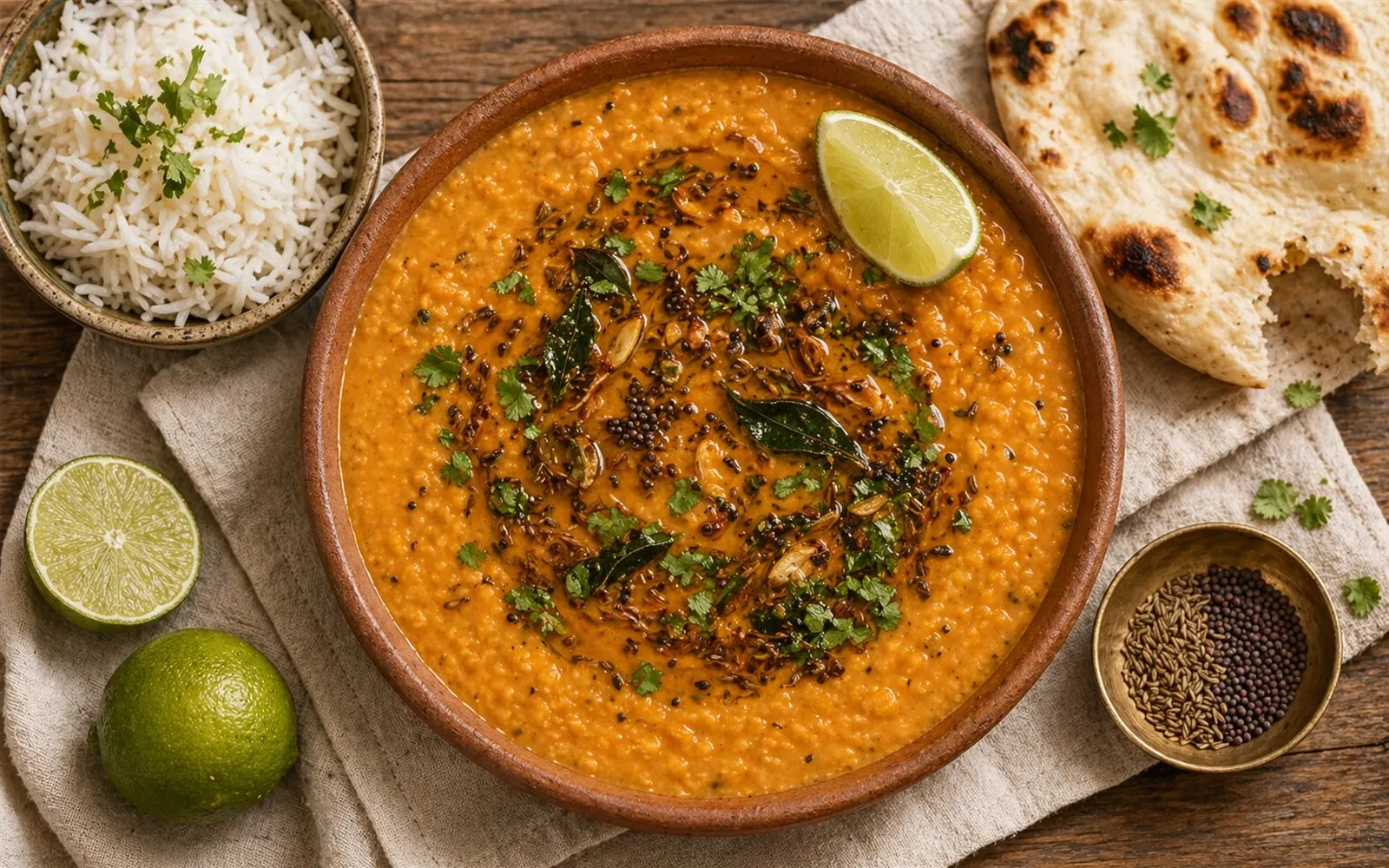
Coconut Red Lentil Dal — GutPlate recipe photo
dinner 35 min

Coconut Red Lentil Dal

A 30-minute one-pot dal with red lentils, coconut milk, turmeric, and a cumin-mustard seed tarka — creamy, warming, and loaded with prebiotic fiber.

4 servings View recipe
Black Bean & Sweet Potato Tacos — GutPlate recipe photo
dinner 35 min

Black Bean & Sweet Potato Tacos

Roasted sweet potato and seasoned black beans in warm tortillas with pickled red onion, avocado crema, and fresh cilantro — 14g of fiber and ready in 35 minutes.

4 servings View recipe
Creamy Mushroom & Barley Soup — GutPlate recipe photo
soups 55 min

Creamy Mushroom & Barley Soup

A hearty, earthy soup with mixed mushrooms, pearl barley, and thyme — rich in beta-glucan fiber from both mushrooms and barley, with a creamy finish from cashew cream.

6 servings View recipe