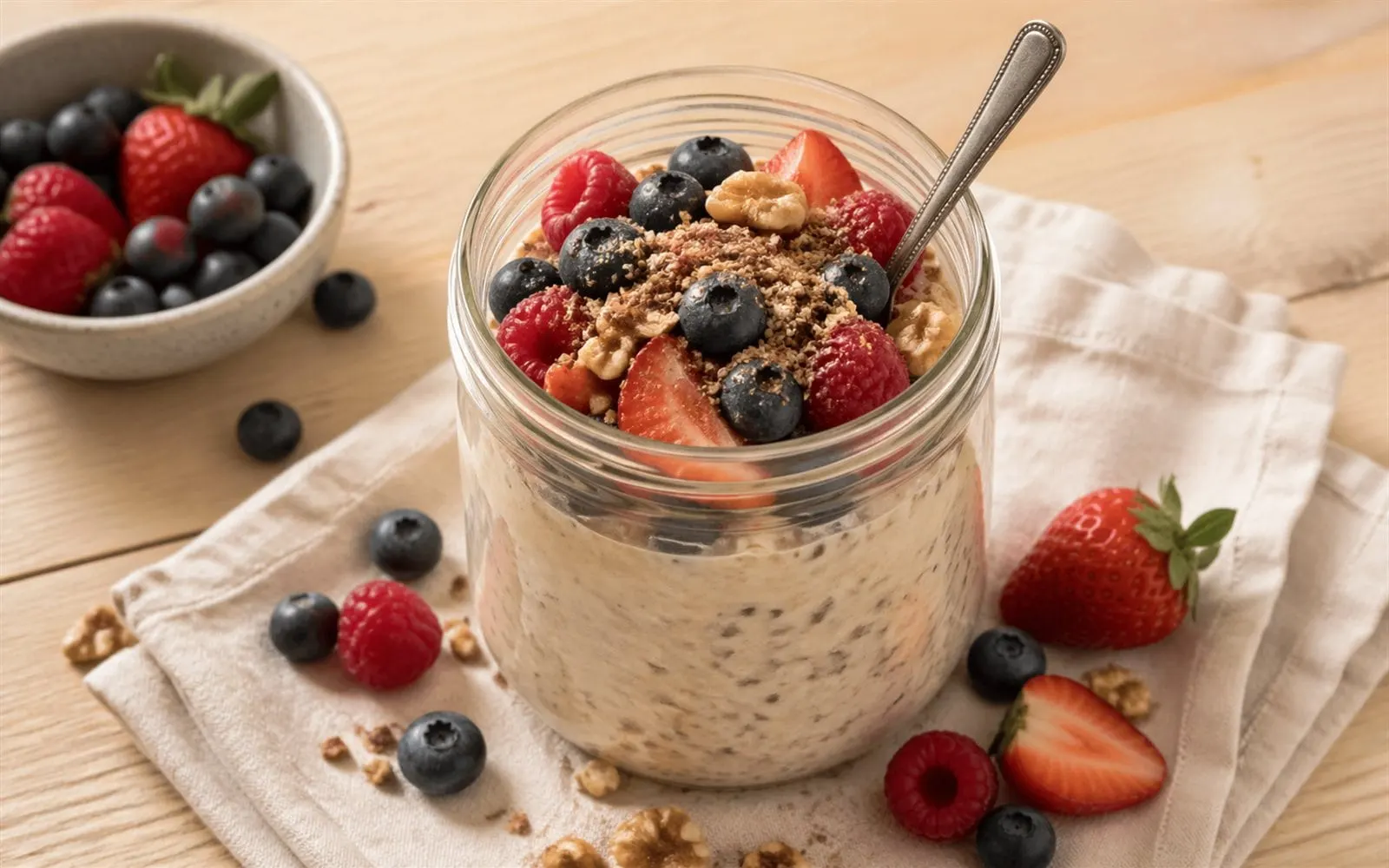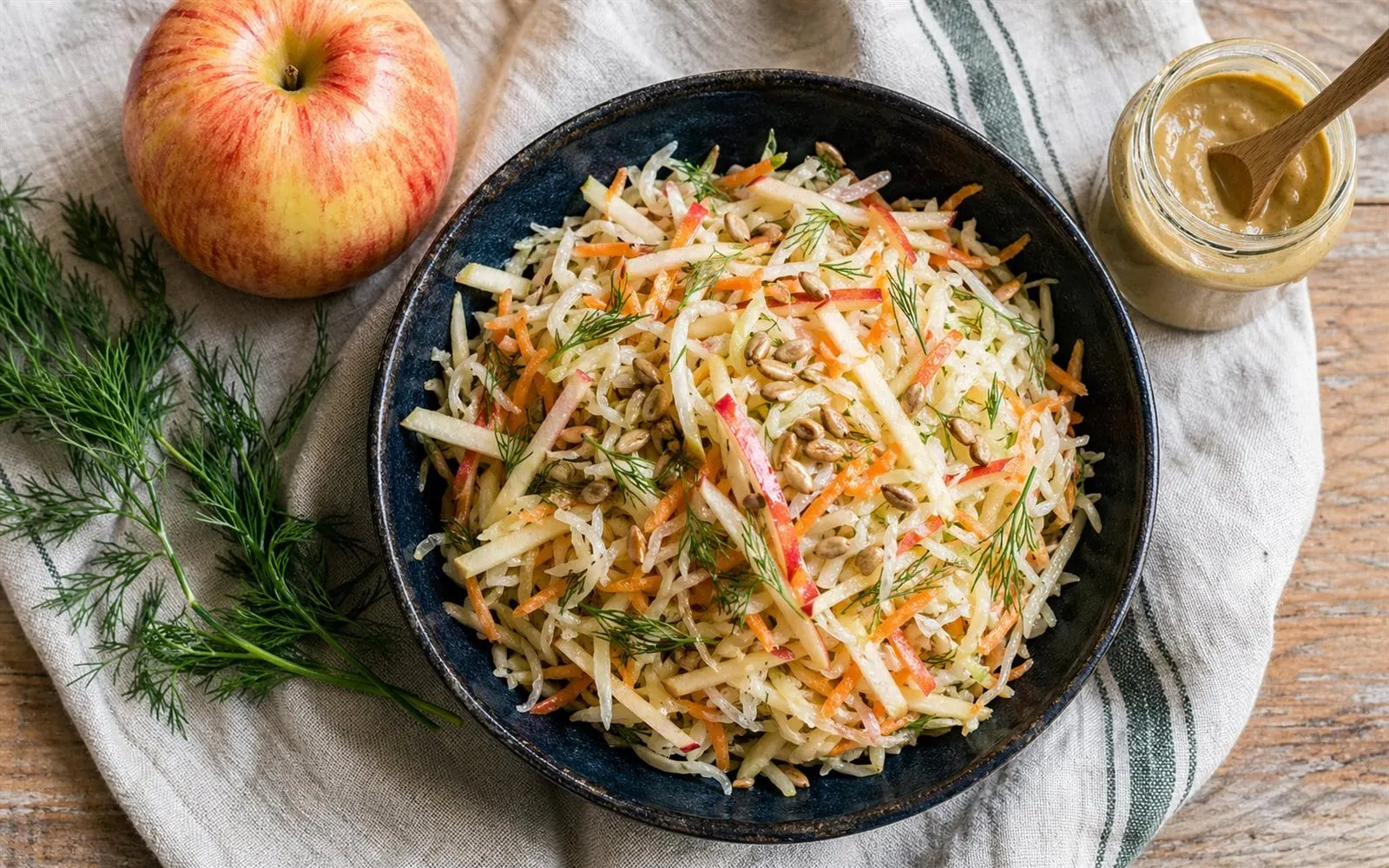
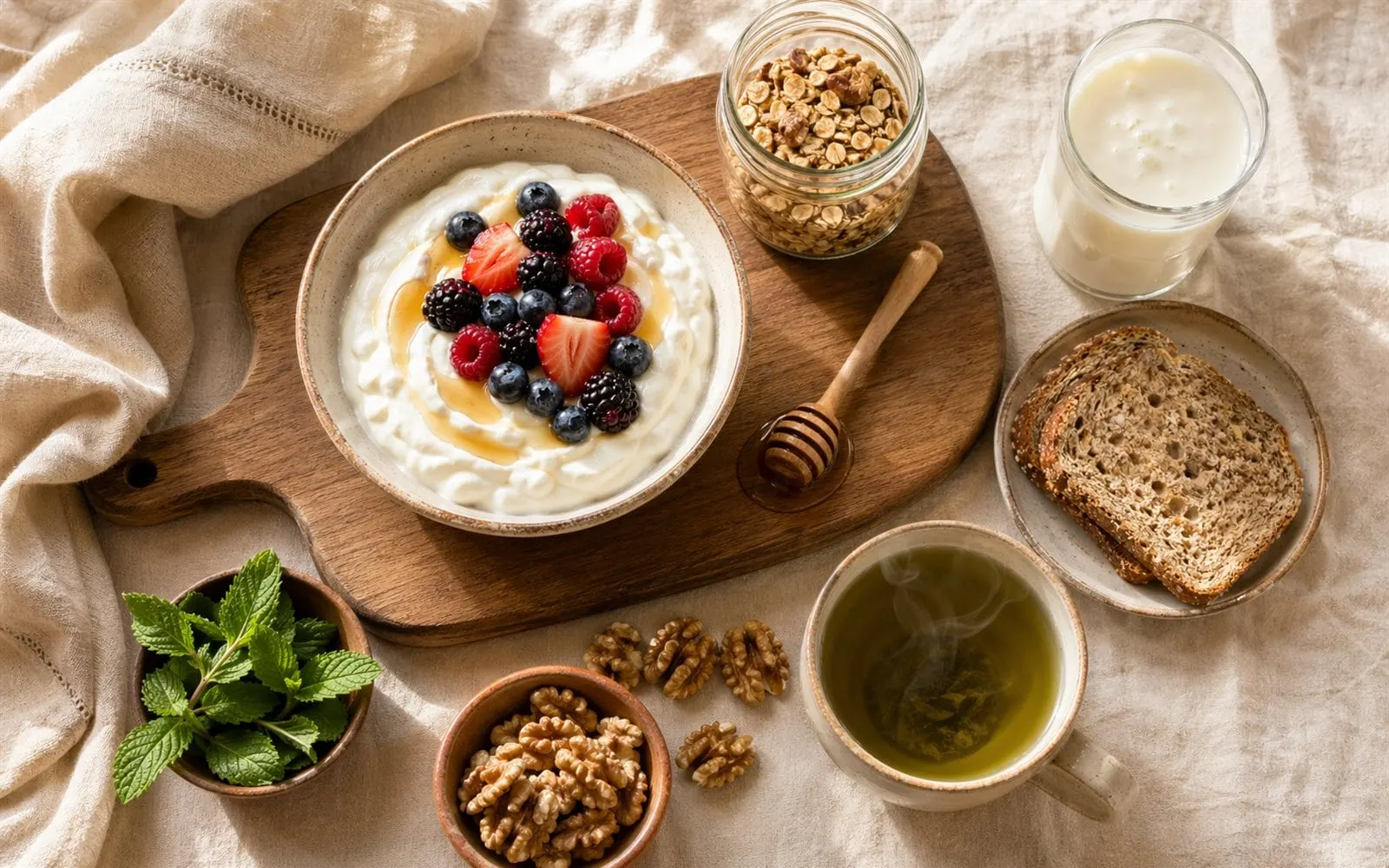
“Gut health” has become one of those phrases you see on everything from kombucha labels to TikTok thumbnails. It is genuinely important — but it is also broad enough that most people use it without a shared definition. This is a plain-English primer on what gut health actually refers to, why the microbiome matters, how to recognize when it is off, and what you can do at the grocery store this week to support it.
What we mean by “gut health”
When researchers talk about gut health they are usually referring to the state of your gastrointestinal tract — from mouth to colon — and, specifically, the community of microorganisms that live in it. That community is called the gut microbiome, and in most adults it contains roughly 30–40 trillion bacteria spanning hundreds of species, alongside yeasts, fungi, and viruses. The bulk of them live in the large intestine.
A “healthy” gut is not one with a specific species composition; there is no single correct microbiome the way there is a single correct blood pressure range. What researchers look for instead is diversity — the number of different species represented — and resilience, meaning how well the community recovers after disturbance from antibiotics, illness, or a rough stretch of diet.
Your microbiome is as unique as a fingerprint. Identical twins share roughly the same DNA but only about 34% of the same gut bacterial species, which tells us that environment, diet, and lifestyle shape the microbiome at least as much as genetics do.[1]
Signs your gut may need attention
Because the gut influences so many systems, the signs of imbalance are not always digestive. Common indicators include:
- Digestive symptoms — persistent bloating, gas, constipation, diarrhea, or acid reflux that does not resolve with basic dietary changes.
- Food intolerances that seem to be getting worse over time, particularly to foods you previously tolerated.
- Fatigue and brain fog — the gut produces neurotransmitter precursors; when microbial balance shifts, energy and focus can drop noticeably.
- Skin issues — eczema, acne, and rosacea have all been linked to gut dysbiosis in observational studies, though the mechanisms are still being mapped.
- Frequent illness — if you catch every cold, it may reflect a weakened mucosal immune barrier. About 70% of your immune tissue lives in and around the gut.
- Mood changes — anxiety, low mood, and irritability can correlate with microbial shifts, particularly drops in species that produce short-chain fatty acids.
None of these symptoms alone confirm a gut problem — they overlap with many other conditions. But if several cluster together and your GP has ruled out other causes, the gut is worth investigating.
Why it matters beyond digestion
Your microbiome does more than help you digest food. It:
- Produces short-chain fatty acids (especially butyrate, propionate, and acetate) that are the primary fuel for the cells lining your colon and play a role in regulating inflammation throughout the body.
- Synthesizes vitamins like K2, B12, folate, and biotin — nutrients many people assume come only from food or supplements.
- Trains and regulates your immune system — about 70% of immune cells reside in gut-associated lymphoid tissue (GALT). The microbiome teaches these cells to distinguish harmless food proteins from genuine threats.[4]
- Communicates with the brain via the vagus nerve, the bloodstream, and immune signaling. This is the so-called “gut-brain axis,” and it is why an upset gut often goes hand-in-hand with low mood or anxious feelings.[5]
- Metabolizes drugs and nutrients in ways that can change their effectiveness — certain gut bacteria can activate or deactivate medications, which is why the same drug works differently in different people.
- Maintains the gut barrier — the single layer of epithelial cells that separates your bloodstream from the contents of your intestines. When this barrier weakens (sometimes called “increased intestinal permeability”), partially digested food particles and bacterial toxins can trigger systemic immune responses.
Imbalance in this community — often called dysbiosis — has been associated with IBS, inflammatory bowel disease, metabolic syndrome, type 2 diabetes, allergies, and a growing list of other conditions. The research is rapid but still young; the practical takeaway is that the microbiome is worth feeding well.
The gut-brain axis in more detail
The connection between gut and brain is bidirectional and surprisingly fast. Your enteric nervous system — sometimes called the “second brain” — contains over 500 million neurons lining your GI tract, more than the spinal cord. These neurons communicate constantly with the brain via the vagus nerve.[5]
Gut bacteria produce or stimulate production of neurotransmitters including serotonin (about 90% of your body’s serotonin is made in the gut), dopamine, and GABA. When microbial balance shifts — due to diet, stress, or antibiotics — the downstream effect on mood, sleep, and cognition can be measurable within days.[2]
This is not just theory. Clinical trials have shown that specific probiotic strains can reduce symptoms of anxiety and depression in some populations, though the effect sizes are modest and strain-specific. The more consistent finding is that a diverse, fiber-rich diet supports the microbial communities that produce these beneficial compounds — which is another reason food-first approaches tend to outperform single-strain supplements.
The foods that consistently help
There is no gut-health superfood, but there are patterns that hold up across a lot of human studies:
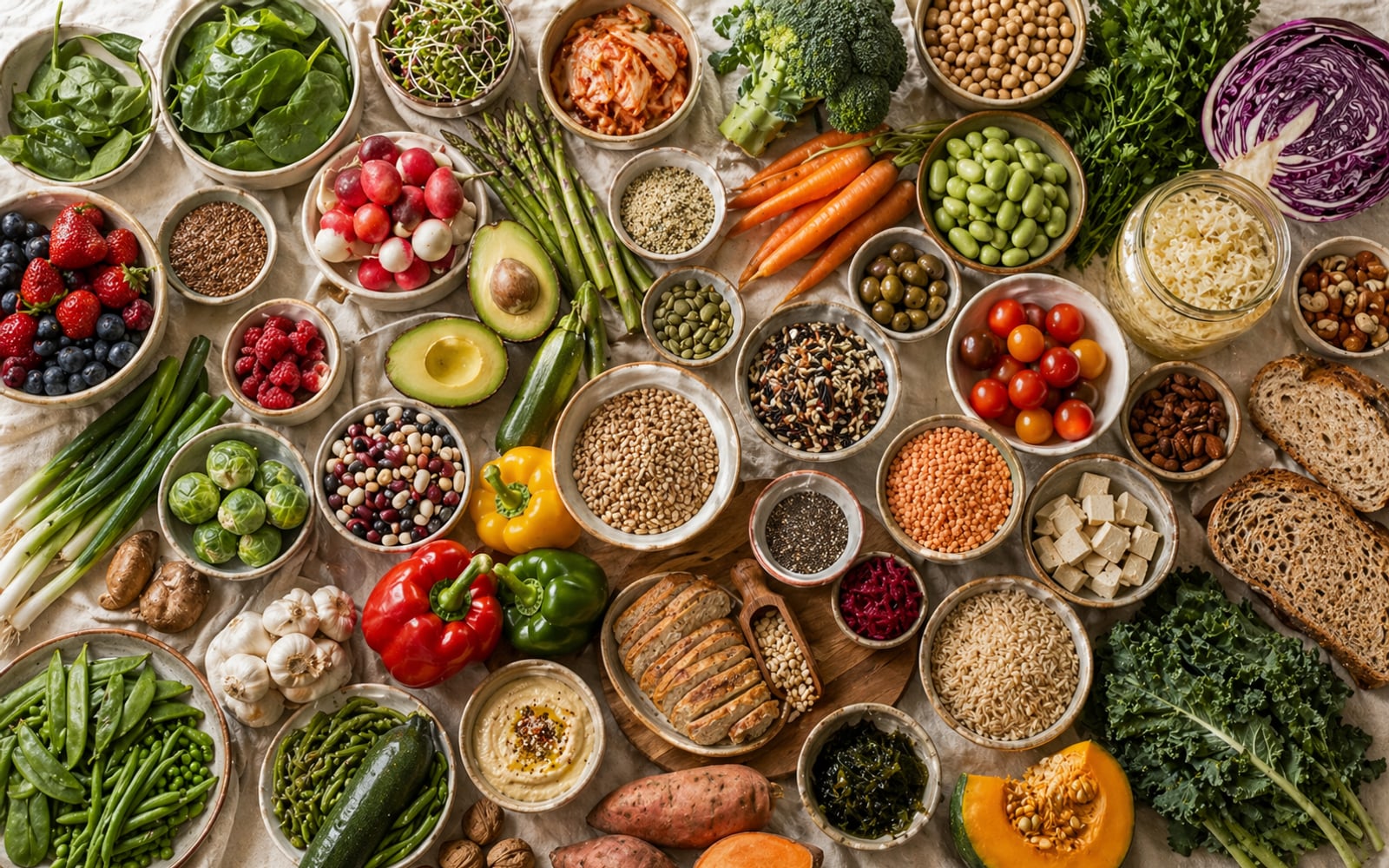
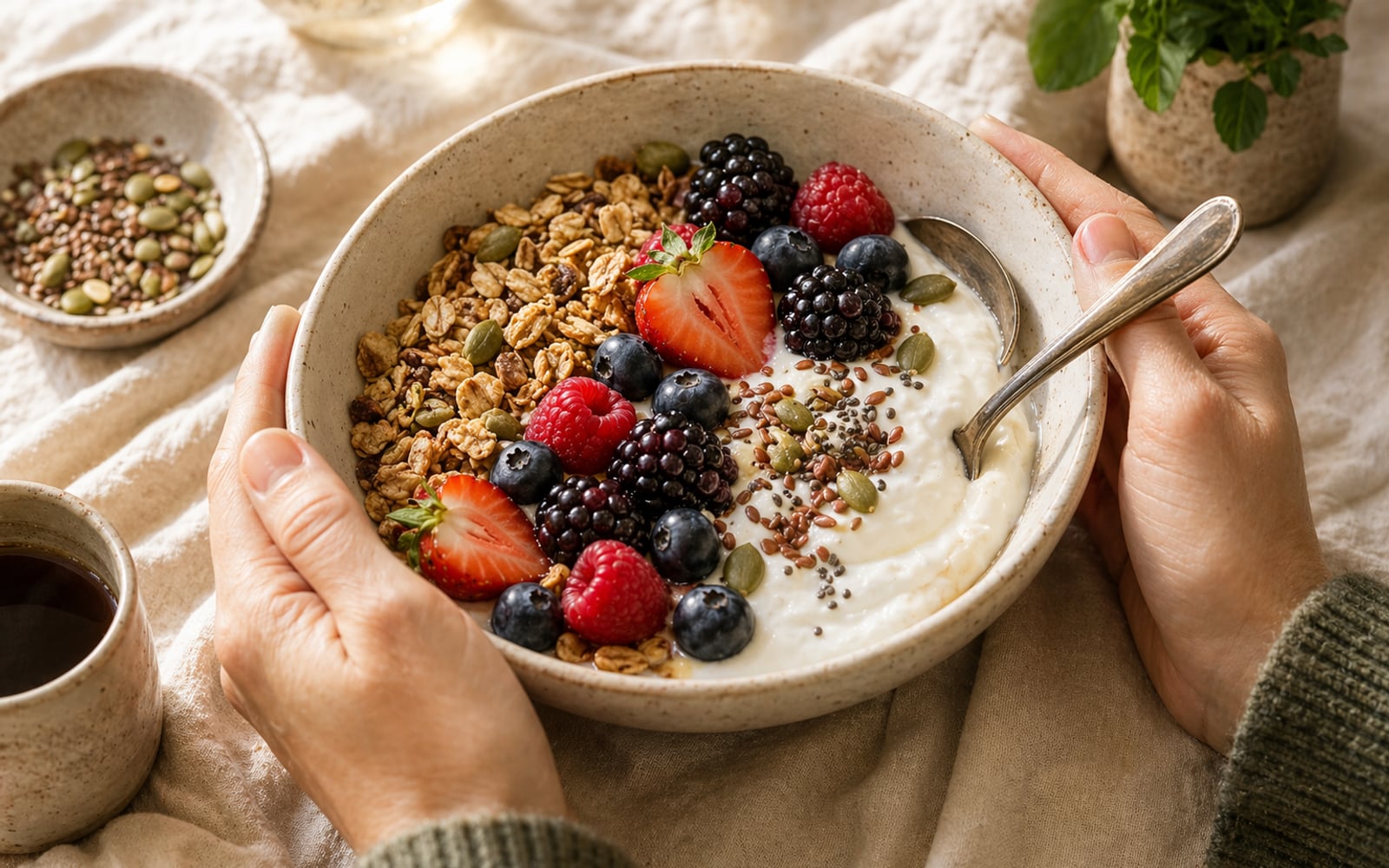
- Fiber from diverse plants. The American Gut Project found that people who ate more than 30 different plant foods per week had measurably more diverse microbiomes than people who ate fewer than 10.[3] That includes vegetables, fruits, whole grains, legumes, nuts, seeds, herbs, and spices. The target is not 30 servings — it is 30 different species. A stir-fry with five vegetables, served over brown rice with sesame seeds and fresh herbs, can cover 8–10 species in a single meal.
- Fermented foods. A 2021 Stanford study showed that a diet rich in fermented foods (yogurt, kefir, kimchi, sauerkraut, kombucha, miso) increased microbial diversity and decreased inflammatory markers more than a high-fiber diet alone did in the same timeframe.[4] The researchers noted that even small daily amounts — a few tablespoons of sauerkraut, a cup of kefir — were enough to shift the microbial profile within weeks.
- Polyphenol-rich foods. Berries, extra-virgin olive oil, dark chocolate (70%+ cacao), green tea, and colorful vegetables contain compounds that selectively feed beneficial bacteria and reduce oxidative stress in the gut. Polyphenols are poorly absorbed in the small intestine, which means most of them arrive intact in the colon where bacteria ferment them into bioactive metabolites.
- Prebiotic fiber — specifically inulin and FOS (found in garlic, onion, leeks, artichokes, asparagus), galacto-oligosaccharides or GOS (in legumes), and resistant starch (in cooled rice, oats, legumes, green bananas). These are the specific fibers that your beneficial bacteria ferment most efficiently into short-chain fatty acids.
What commonly hurts it
Some factors consistently reduce microbial diversity or tip communities toward pro-inflammatory patterns:
- Highly processed foods with emulsifiers (polysorbate-80, carboxymethylcellulose) and artificial sweeteners. Emulsifiers in particular have been shown in animal studies to thin the protective mucus layer lining the gut, increasing bacterial contact with the epithelial barrier.
- Frequent antibiotic use without follow-up support. Antibiotics are sometimes essential, but a single course can reduce microbial diversity by 30–50%, and the gut can take weeks to months to rebuild. Some species may not return at all without deliberate reintroduction through fermented foods.
- Chronic stress and poor sleep. The gut-brain connection runs in both directions — cortisol changes gut motility and permeability, and sleep deprivation alters the ratio of Firmicutes to Bacteroidetes within just two nights in controlled studies.
- Low fiber intake. Most adults eat 15–18 g of fiber per day, well under the recommended 25–38 g. The microbes that feed on fiber simply starve out when it is consistently missing, reducing diversity and short-chain fatty acid production.
- Excessive alcohol. Regular heavy drinking disrupts the gut barrier and promotes the growth of pro-inflammatory species.
- Sedentary lifestyle. Exercise independently increases microbial diversity — athletes consistently show more diverse gut profiles than sedentary controls, even when diet is accounted for.
Testing and diagnostics: what is useful
The consumer microbiome testing market has exploded, but the clinical utility of most at-home stool tests is still limited. Here is what is currently useful versus what is mostly marketing:
Clinically useful:
- Stool tests ordered by a GI specialist — calprotectin (measures intestinal inflammation), stool cultures for specific pathogens, and parasitology when indicated. These answer targeted clinical questions.
- Breath tests — hydrogen and methane breath tests for SIBO (small intestinal bacterial overgrowth) and lactose/fructose malabsorption. These are functional tests with clear diagnostic thresholds.
Interesting but limited:
- 16S rRNA sequencing (the technology behind most consumer tests like Viome, Ombre, etc.) can tell you which bacterial species are present, but the interpretation is still weak. We do not yet have validated “optimal” ranges for most species, and results vary significantly between testing companies for the same sample. They can be motivating as a general awareness tool, but do not make dietary decisions based solely on their recommendations.
The most reliable “test” for gut health remains your own symptoms, stool quality (the Bristol Stool Chart is a simple, validated tool), energy levels, and how you feel after meals.
Common myths about gut health
Myth: You need to “detox” or “cleanse” your gut. Your liver and kidneys handle detoxification. Juice cleanses and colon cleanses do not improve microbial diversity — and aggressive cleanses can actually strip beneficial bacteria.
Myth: Everyone should take a daily probiotic supplement. Most probiotic supplements contain 1–3 strains. Your gut houses hundreds of species. A single-strain supplement is not a replacement for dietary diversity. Supplements have evidence for specific conditions (post-antibiotic recovery, certain IBS subtypes, traveler’s diarrhea), but not for general “gut health” in healthy adults.
Myth: Gluten is bad for everyone’s gut. Gluten is problematic for people with celiac disease (~1% of the population) and non-celiac gluten sensitivity (estimated 1–6%). For everyone else, whole grains containing gluten (wheat, barley, rye) are actually beneficial — they provide prebiotic fibers like arabinoxylan that feed beneficial bacteria.
Myth: Gut health changes take months. The microbiome responds to dietary changes within 24–48 hours.[2] Sustained changes take longer to stabilize, but you are not waiting months for the first shift. This is why a rough weekend of eating can leave you feeling off by Monday — and why getting back on track works quickly too.
Where to actually start
If you are just beginning, do not attempt a full gut-health overhaul in a week. A useful progression:
- Week 1: Add one fiber-rich plant food you do not usually eat (lentils, chia, berries, roasted cruciferous vegetables). Track how you feel — some bloating is normal as your microbiome adapts.
- Week 2: Add a small daily serving of a fermented food — a tablespoon of kraut on a salad, a cup of kefir in a smoothie, a spoon of miso in soup off the heat. Start small; fermented foods can cause gas if introduced too quickly.
- Week 3: Aim for a new target — 30 different plant foods in the week. Spices and herbs count. Keep a simple tally on your phone or fridge.
- Week 4: Reduce one category of ultra-processed food you eat daily and replace it with a whole-food equivalent. Swap a packaged granola bar for a handful of nuts and dried fruit. Replace a flavored yogurt with plain yogurt and real berries.
This is the boring, consistent path — but it is the one with the most published evidence behind it. Most of the recipes on GutPlate are designed to make these steps easier to fit into a regular week of cooking.
A word on supplements and probiotics
Probiotic supplements can be useful in specific, targeted situations — post-antibiotic recovery, certain strains for certain conditions — but the evidence for routine daily supplementation in otherwise healthy adults is surprisingly thin. If you do use supplements, look for products that list specific strain names (e.g., Lactobacillus rhamnosus GG, not just “Lactobacillus blend”), have third-party testing, and store them according to the label (many need refrigeration).
Whole foods are the first line. A cup of kefir contains 10–30 live strains; most supplements contain 1–3. A tablespoon of raw sauerkraut delivers bacteria in the context of fiber and vitamins that help them colonize. If you want to explore supplements beyond food, bring specific goals to a registered dietitian or gastroenterologist rather than buying what is on the front of the shelf.
Bottom line
Gut health is not a mystery and it does not require expensive protocols. It requires steady, diverse plant intake, regular fermented foods, decent sleep, manageable stress, and patience. The microbiome is responsive — changes show up within days of a new dietary pattern[2] — which is both encouraging and a reminder that the work is ongoing, not a finish line you cross once.
The best starting point is not a supplement or a test kit. It is your next meal.