Skip to content

Low-FODMAP Turkey & Zucchini Meatballs

Tender baked turkey meatballs with shredded zucchini and Italian herbs — garlic-free, onion-free, and gentle enough for an elimination diet without tasting like one.

Jump to recipe
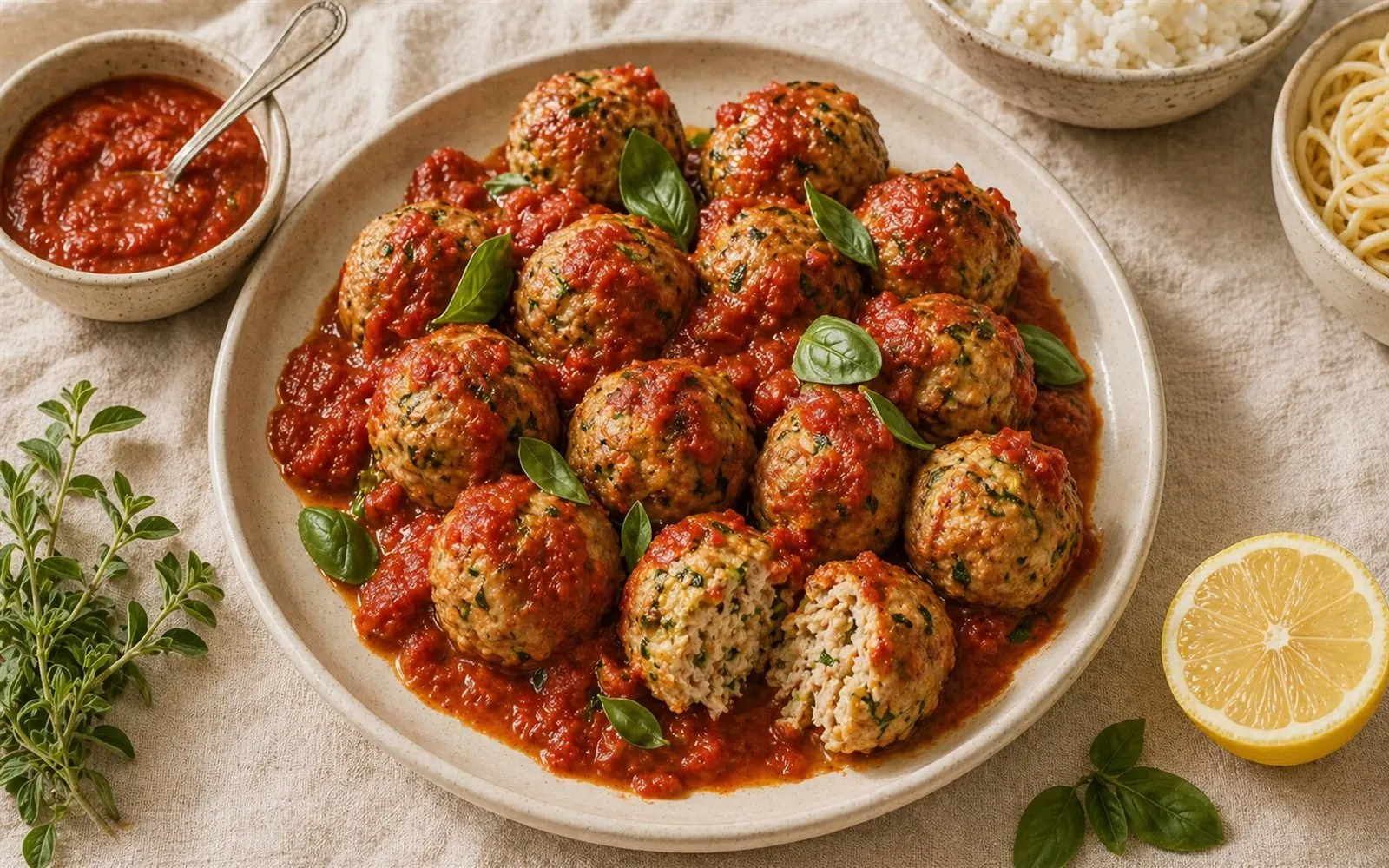
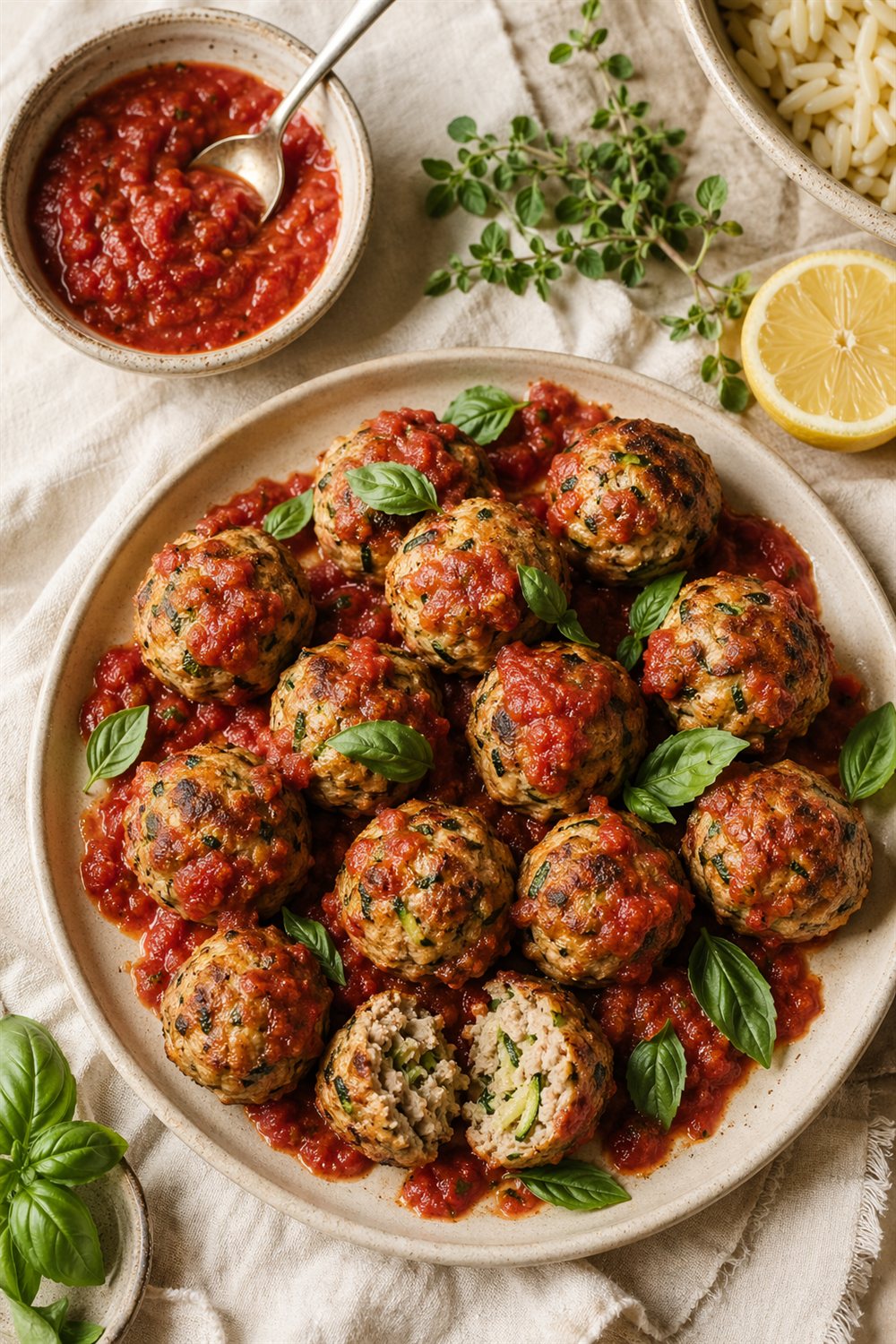
Low-FODMAP Turkey & Zucchini Meatballs — GutPlate recipe photo
Prep
15 min
Cook
20 min
Total
35 min
Serves
20 meatballs

Why you'll love this recipe

  • IBS-friendly without tasting like a restriction diet — real Italian flavors.
  • 28g protein per serving keeps you satisfied.
  • Zucchini adds moisture and fiber without any detectable vegetable taste.
  • Freezer-friendly — make 40, freeze half, eat all week.
  • 20 minutes from mixing bowl to table.
  • Garlic-infused oil delivers full garlic flavor with zero fructans.

If you’ve ever tried low-FODMAP cooking and felt like everything tasted like unseasoned cardboard, these meatballs are here to prove that wrong. The secret is garlic-infused olive oil — a legitimate cheat code that the low-FODMAP community has known about for years. Since fructans dissolve in water but not in fat, steeping garlic in oil pulls out all the flavor you’re craving while leaving the gut-triggering compounds behind.
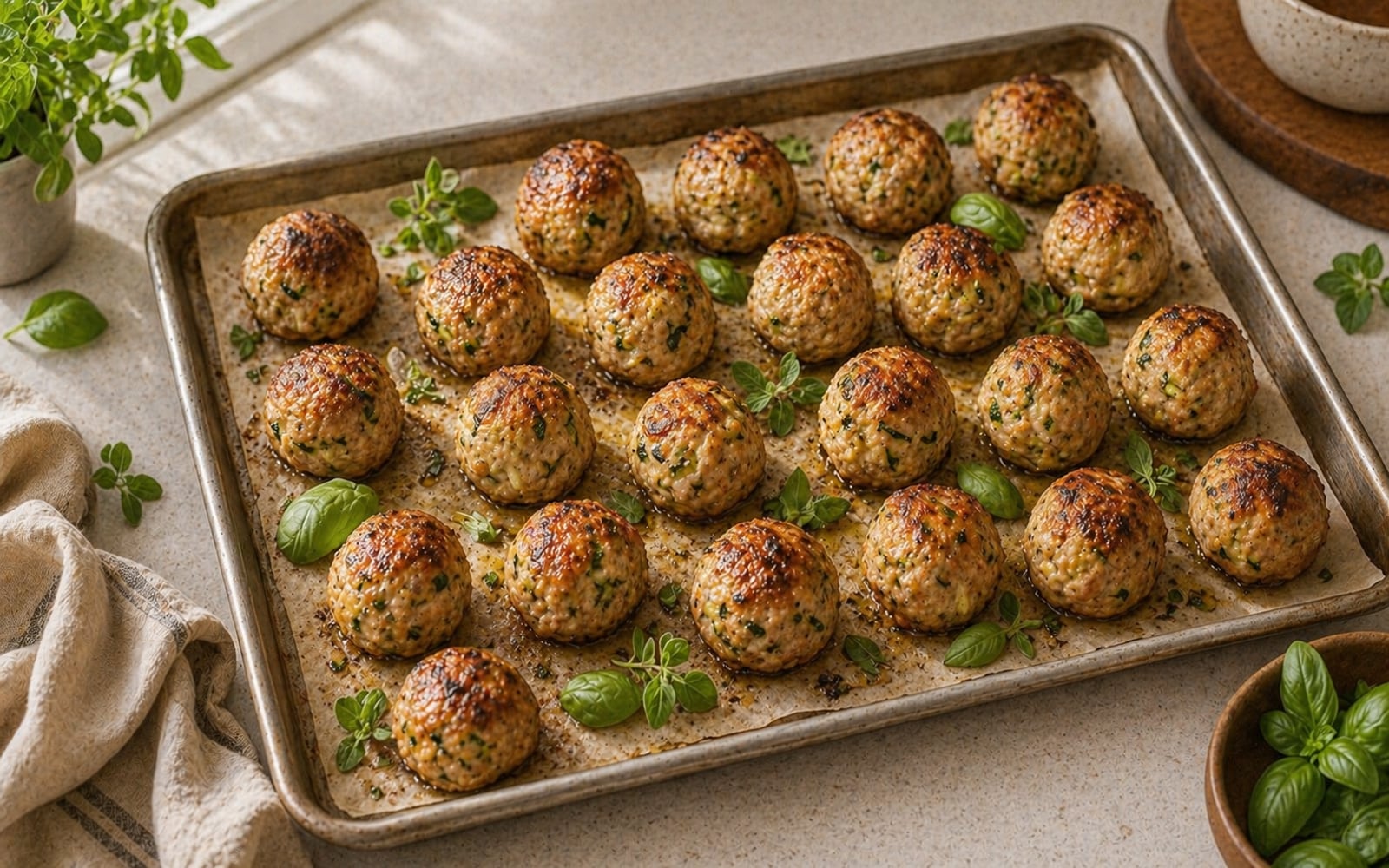
Turkey-zucchini meatballs on a parchment-lined sheet pan, golden-brown and just out of the oven, with fresh herbs scattered around.

The zucchini isn’t here for nutrition theater. Lean turkey dries out fast in the oven, and shredded zucchini acts like a built-in moisture reservoir — it steams inside the meatball as it bakes, keeping the center tender even at 400°F. The key is squeezing it bone-dry first: wrap the shredded zucchini in a kitchen towel and twist over the sink until no more liquid drips. Wet zucchini means soggy meatballs, and soggy meatballs mean you’ll never make this recipe again.

Fresh herbs matter more in low-FODMAP cooking than anywhere else. Without garlic and onion doing the heavy aromatic lifting, basil, oregano, and a touch of ground fennel seed have to carry the flavor. Dried herbs work in a pinch, but fresh ones are noticeably better here — they bring a brightness that compensates for what you’re leaving out.

The tomato drizzle is deliberately simple: crushed tomatoes warmed with garlic-infused oil and a pinch of oregano. Check your tomato can label — some brands sneak in garlic or onion powder. Plain crushed tomatoes from most major brands are safe. Serve these over rice, polenta, or gluten-free pasta, and you have a weeknight dinner that happens to be elimination-phase friendly but doesn’t remind you of that with every bite.
Key ingredients

Why these ingredients

Garlic-infused olive oil

The key to low-FODMAP cooking that doesn't taste bland. Fructans (the problematic carbohydrates in garlic) are water-soluble, not oil-soluble. When garlic is infused in oil, the flavor compounds transfer but the fructans stay behind. This gives you real garlic taste that's safe during elimination.

Zucchini

Low-FODMAP at 1/2 cup (65g) per serving and a gentle source of soluble fiber that doesn't irritate a sensitive gut. Shredded into meatballs, it adds moisture that keeps lean turkey from drying out.

Ground turkey (93% lean)

High in complete protein with less saturated fat than beef. The amino acid glutamine, abundant in poultry, is the primary fuel source for enterocytes — the cells lining your small intestine — and plays a role in maintaining gut barrier integrity.

Fennel seed

Traditional in Italian sausage and safe in small amounts on a low-FODMAP diet. Fennel has been used for centuries as a carminative — it relaxes smooth muscle in the GI tract and may reduce gas and bloating.

Fresh basil and oregano

Both herbs are low-FODMAP and rich in rosmarinic acid, a polyphenol with demonstrated anti-inflammatory and antimicrobial properties in the gut.

Before you start

Equipment

  • Sheet pan

    half-sheet with parchment for easy cleanup

  • Box grater

    large holes for the zucchini

  • Clean kitchen towel

    for squeezing zucchini — paper towels shred

  • Small saucepan

    for the tomato drizzle

Recipe card

Low-FODMAP Turkey & Zucchini Meatballs

Prep
15 min
Cook
20 min
Total
35 min
Servings
4

Ingredients

Simple tomato drizzle

Instructions

Notes

  • Garlic-infused oil is the low-FODMAP secret weapon. Fructans (the FODMAPs in garlic) are water-soluble but NOT oil-soluble — so the oil carries all the garlic flavor with none of the FODMAPs.
  • Squeezing the zucchini dry is non-negotiable. Wet zucchini = steamed meatballs that fall apart.
  • These freeze beautifully — make a double batch on meal-prep day.

Nutrition per serving

Estimated; see our disclaimer.

Cal
280 kcal
Protein
28 g
Carbs
10 g
Fat
14 g
Fiber
2 g
Sugar
3 g
Sat Fat
3 g
Sodium
420 mg
Calcium
45 mg
Iron
2.5 mg

From our test kitchen

Pro tips

Squeeze the zucchini like you mean it

Zucchini is 95% water. After shredding, wrap it in a clean kitchen towel and twist hard over the sink. You should extract at least 2-3 tablespoons of liquid. Skip this step and your meatballs will steam instead of bake.

Don't overwork the meat

Mix until the ingredients are just incorporated — 30 seconds of hand mixing max. Overworked ground meat develops too much myosin, which makes meatballs rubbery and dense.

Use a cookie scoop

A 1.5 tablespoon cookie scoop makes perfectly uniform meatballs in half the time of hand-rolling.

When things go sideways

Troubleshooting

Meatballs fell apart on the pan.

Either the zucchini wasn't squeezed dry enough (most common) or the mix needed more breadcrumbs. Add 2 extra tablespoons of breadcrumbs next time, and don't flip them until they've set — about 10 minutes in.

Meatballs are dry and tough.

Overworked meat or over-baked. Pull at exactly 165°F internal temp. The zucchini should keep them moist — if you skipped it or used too little, that's your answer.

No garlic-infused oil at my store.

Make your own: heat 1/2 cup olive oil with 4 smashed garlic cloves over low heat for 10 minutes. Strain out the garlic completely (do not leave it in — that reintroduces FODMAPs as it sits). Use immediately or refrigerate up to 5 days.

They taste bland.

Low-FODMAP cooking needs more herbs and salt than you think to compensate for missing alliums. Increase basil and oregano by half, add an extra pinch of salt, and make sure your garlic oil is fresh and fragrant.

Keep it fresh

Storage & reheating

Make ahead

Mix and shape the meatballs up to 24 hours ahead, cover on the sheet pan, and refrigerate. Bake straight from the fridge — add 2 minutes to the bake time.

Fridge

Cooked meatballs keep 4 days in an airtight container. Store sauce separately.

Freezer

Flash-freeze on a sheet pan, then transfer to a freezer bag. Keeps 3 months. Reheat from frozen at 350°F for 15 minutes.

Reheat

Oven at 350°F for 10 minutes, or microwave 90 seconds (cover to prevent drying).

Make it yours

Variations

Italian sausage style

Increase fennel seed to 1/2 tsp, add 1/4 tsp red pepper flakes, and use 1 tsp smoked paprika. These taste remarkably like sausage meatballs without any of the typical FODMAP triggers.

Asian-inspired

Replace Italian herbs with 1 tbsp minced ginger, 2 tsp tamari, 1 tsp sesame oil, and thinly sliced scallion greens (green parts only are low-FODMAP). Serve with rice and a drizzle of sweet chili sauce.

Greek-style

Add 2 tbsp crumbled feta, 1 tbsp fresh dill, and 1 tsp lemon zest to the mix. Serve with cucumber-yogurt sauce (use lactose-free yogurt for strict low-FODMAP).

Pantry swaps

Ingredient substitutions

Instead of

Ground turkey

Use

Ground chicken, pork, or beef (90% lean)

All work. Pork adds the most flavor, chicken is leanest. Beef may need 1-2 extra minutes baking.

Instead of

GF breadcrumbs

Use

Rolled oats (pulsed) or almond flour

Oats must be certified GF if you're also avoiding gluten. Almond flour makes slightly denser meatballs.

Instead of

Zucchini

Use

Yellow squash or peeled cucumber

Same moisture-adding function. Squeeze just as thoroughly.

Instead of

Crushed tomatoes

Use

Pesto (check for garlic) or lemon-caper butter

For a tomato-free option during strict elimination.

Plate it up

What to serve with it

  • Steamed rice or polenta

    Both are naturally low-FODMAP and soak up the tomato drizzle.

  • Simple green salad with lemon vinaigrette

    Romaine, cucumber, and olives — all low-FODMAP.

  • Roasted carrots

    Low-FODMAP, naturally sweet, and ready in the same oven.

  • Gluten-free pasta

    Rice or corn pasta with the tomato drizzle makes this a full spaghetti-and-meatballs dinner.

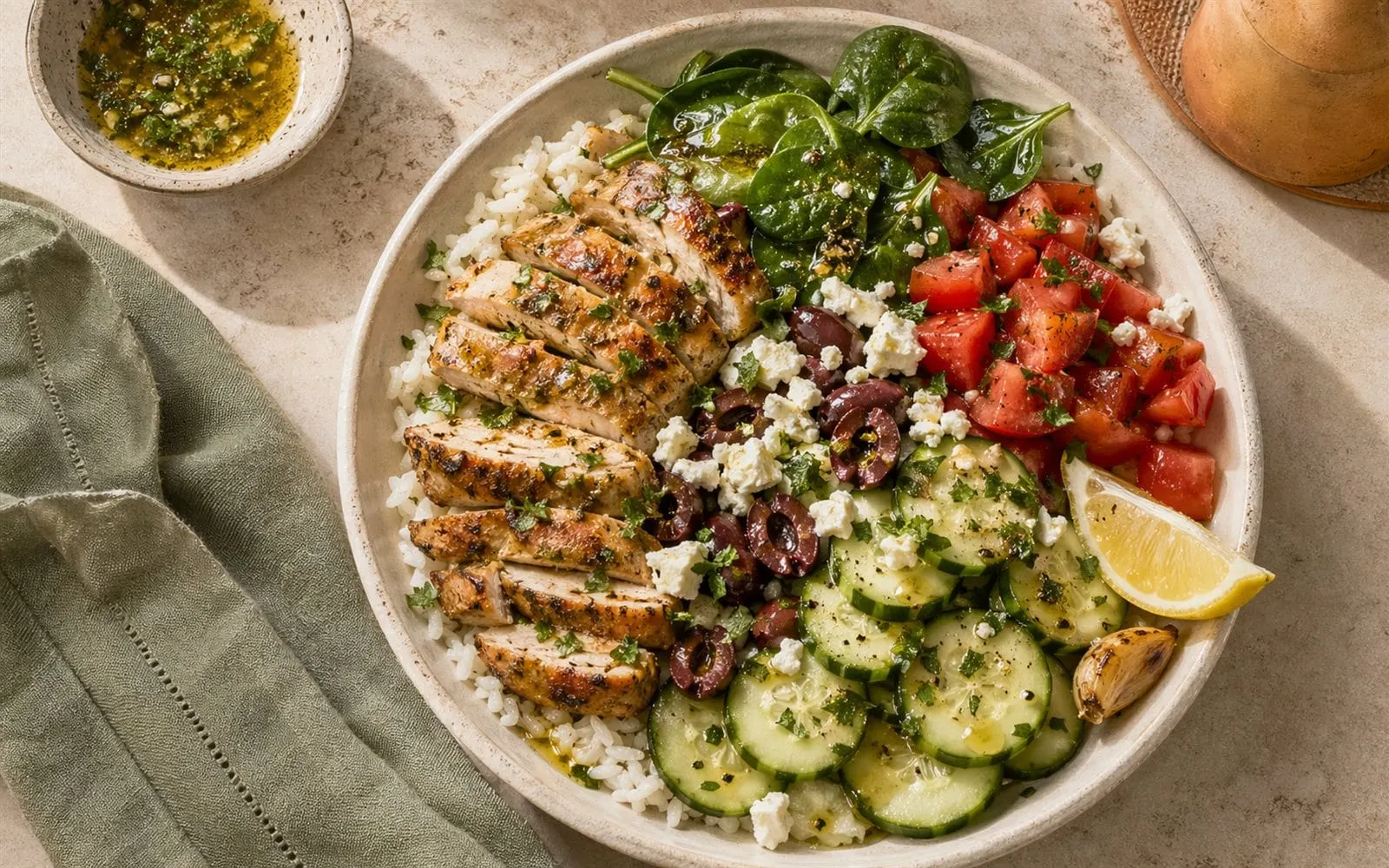
  • Related: Low-FODMAP Chicken & Rice Bowl

    Another elimination-phase friendly dinner.

The evidence

Why this is good for your gut

Low-FODMAP eating is often framed as a restriction — here's what you can't eat. But the science behind it is more nuanced than that, and understanding why this recipe works helps you cook more confidently during elimination and reintroduction.

FODMAPs stands for Fermentable Oligosaccharides, Disaccharides, Monosaccharides, And Polyols — short-chain carbohydrates that are poorly absorbed in the small intestine.[1] In a healthy gut, some malabsorption of these sugars is normal and even beneficial — colonic bacteria ferment them and produce short-chain fatty acids. But in people with irritable bowel syndrome (IBS), the fermentation produces excessive gas, and the osmotic pull of unabsorbed sugars draws water into the intestinal lumen, causing the bloating, cramping, and diarrhea that characterize flares.[2]

Garlic and onion are the two highest-FODMAP ingredients in most Western diets. Their problematic compounds — fructans — are chains of fructose molecules linked by bonds that human enzymes cannot break. They pass intact to the colon, where they're rapidly fermented.[3] The clever workaround in this recipe is garlic-infused oil: fructans are water-soluble but NOT oil-soluble, so steeping garlic in warm oil extracts the aromatic flavor compounds (allyl sulfides, diallyl disulfide) while leaving the fructans behind in the garlic flesh, which you discard.

The elimination phase of a low-FODMAP diet is intentionally temporary — typically 2-6 weeks. Its purpose is to calm symptoms, not to become a permanent way of eating.[4] During this phase, recipes like these meatballs prove that "elimination" doesn't mean "deprivation." The zucchini, herbs, fennel, and infused oil create a flavor profile that's genuinely satisfying.

Zucchini deserves a specific mention. At 65g (about 1/2 cup), it falls comfortably within low-FODMAP limits and provides gentle soluble fiber — the kind that doesn't trigger gas in most IBS patients but still supports motility and feeds beneficial bacteria at a tolerable rate.[5]

After elimination, systematic reintroduction of FODMAP groups helps you identify your personal triggers. Most people with IBS tolerate some FODMAPs perfectly well — the goal is to find your threshold, not to avoid everything forever. These meatballs work during elimination, but they're also delicious enough to keep making long after you've mapped your tolerances.

Good questions

Frequently asked questions

Why no garlic or onion?

Both contain fructans, a type of FODMAP (fermentable oligosaccharide) that can trigger bloating, gas, and pain in people with IBS. Garlic-infused oil gives you the flavor because fructans dissolve in water but not in oil.

Can I use chicken or beef instead of turkey?

Yes. Ground chicken works identically. Ground beef (90% lean) adds more flavor but also more saturated fat. Adjust cooking time by 1-2 minutes for beef.

Are canned tomatoes low-FODMAP?

Plain canned tomatoes are low-FODMAP at 1/2 cup per serving. Check the label — some brands add garlic or onion powder. Hunt's, Muir Glen, and Cento plain crushed are typically safe.

Can I pan-fry these instead of baking?

Yes. Brown in 1 tbsp oil over medium heat, turning every 2-3 minutes, for about 12 minutes total. Baking is easier for a big batch.

My dietitian said I'm in the reintroduction phase — can I add garlic back?

During reintroduction, try adding 1/4 clove of real minced garlic to the meatball mix and see how you respond. Keep the garlic-infused oil as the base flavor regardless — it's delicious even when you're not restricting FODMAPs.

References

  1. A diet low in FODMAPs reduces symptoms of irritable bowel syndrome — Gastroenterology↩ back
  2. Mechanisms underlying food-triggered symptoms in IBS — American Journal of Gastroenterology↩ back
  3. Fructans: prebiotics and potential triggers in IBS — Alimentary Pharmacology & Therapeutics↩ back
  4. Low-FODMAP diet: evidence, doubts, and hopes — Nutrients↩ back
  5. Zucchini FODMAP content and IBS tolerance — Monash University FODMAP↩ back

Loved this recipe?

Save it to your Pinterest boards or share with a friend who needs more gut-friendly weeknight meals.

Newsletter

Weekly gut-friendly recipes, straight to your inbox.

One email every Sunday — new recipes, a practical gut-health tip, and zero spam. Unsubscribe anytime.

No spam 1-click unsubscribe

Signup coming soon. Follow us on Pinterest in the meantime.

Low-FODMAP Chicken & Rice Bowl — GutPlate recipe photo
dinner 35 min

Low-FODMAP Chicken & Rice Bowl

A gentle, herb-forward bowl built for the elimination phase of low-FODMAP — garlic-free, onion-free, and deeply flavorful thanks to infused oil.

2 servings View recipe
Coconut Red Lentil Dal — GutPlate recipe photo
dinner 35 min

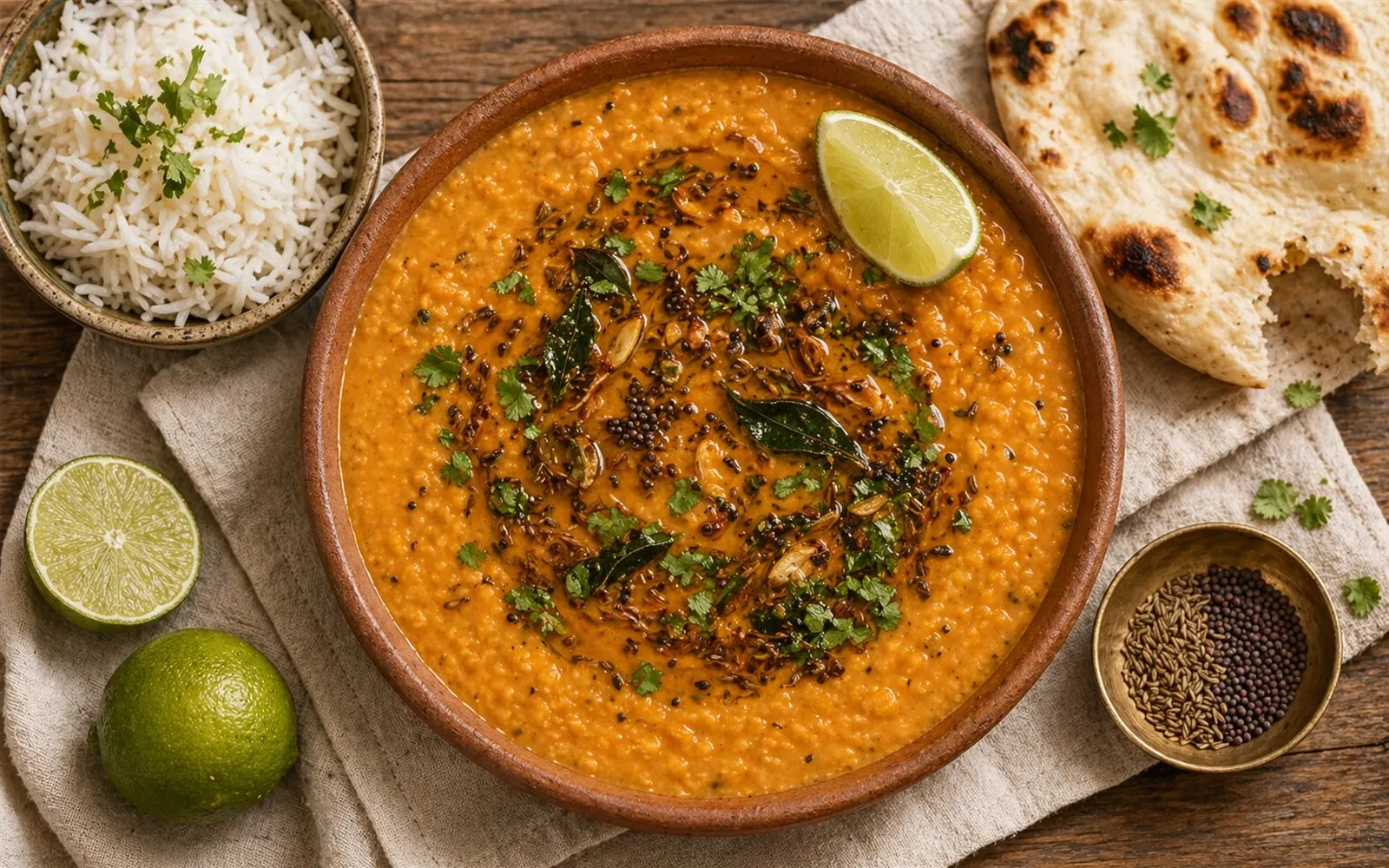
Coconut Red Lentil Dal

A 30-minute one-pot dal with red lentils, coconut milk, turmeric, and a cumin-mustard seed tarka — creamy, warming, and loaded with prebiotic fiber.

4 servings View recipe
Sheet-Pan Chicken with Artichokes & Olives — GutPlate recipe photo
dinner 45 min

Sheet-Pan Chicken with Artichokes & Olives

Crispy-skinned chicken thighs roasted alongside artichoke hearts, Kalamata olives, and lemon — a one-pan Mediterranean dinner loaded with prebiotic inulin fiber.

4 servings View recipe