Skip to content

Chia-Flax Pudding with Mango

A thick, pudding-like breakfast layered with ground flax, chia, coconut milk, and fresh mango — make-ahead and packed with soluble fiber.

Jump to recipe
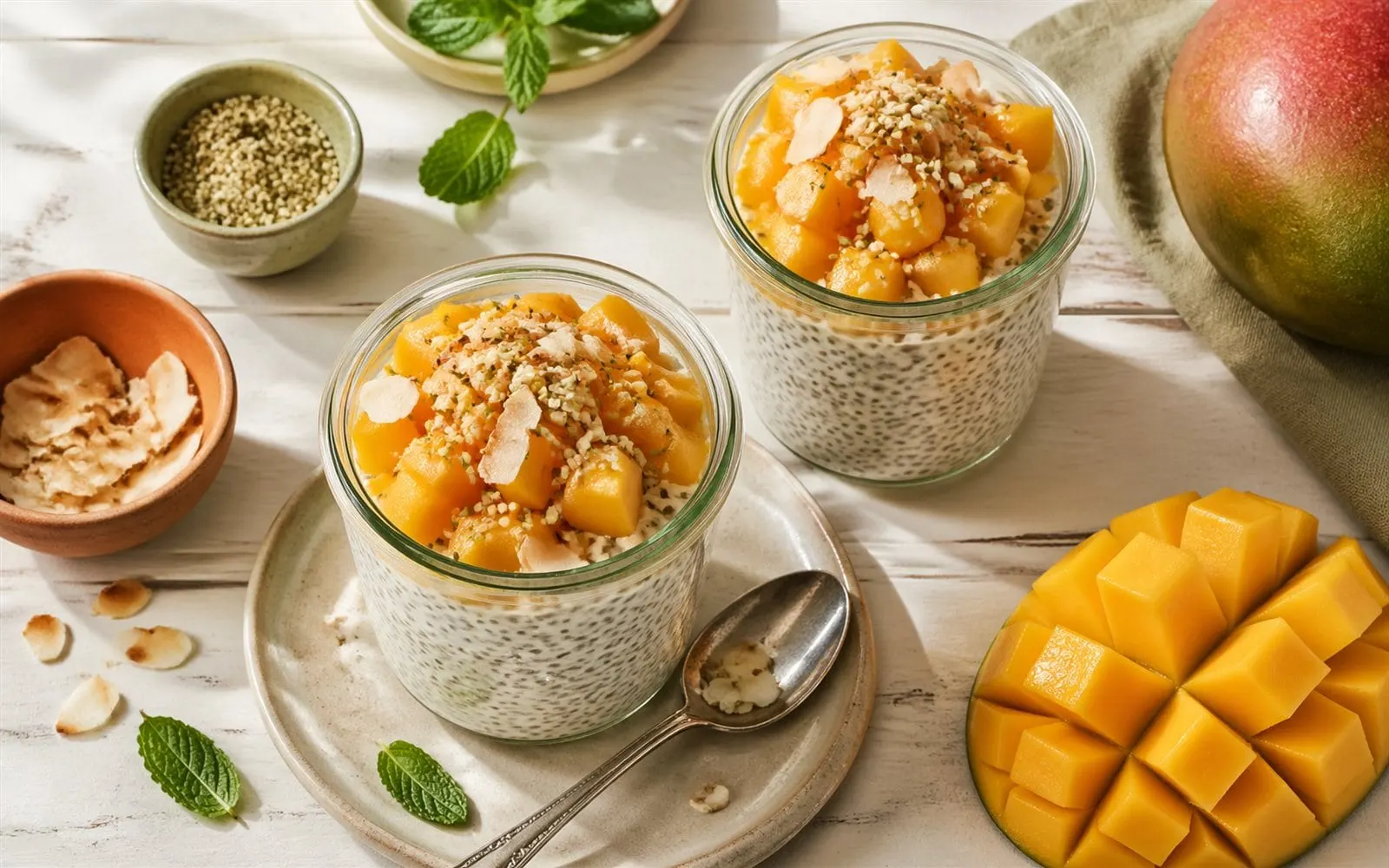
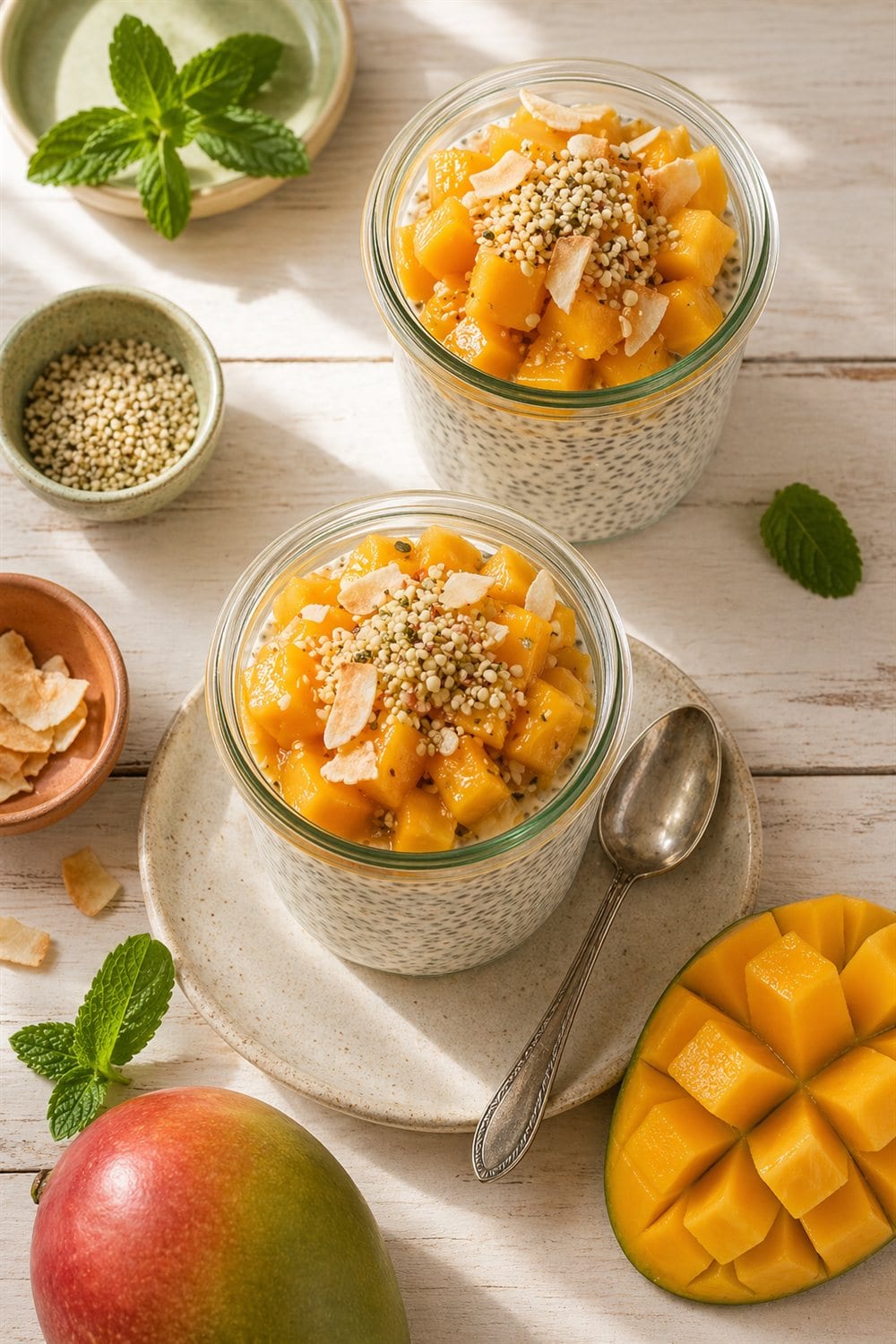
Chia-Flax Pudding with Mango — GutPlate recipe photo
Prep
5 min
Cook
Total
5 min
Serves
2 jars

Why you'll love this recipe

  • 12g of fiber per serving — nearly half your daily target in one jar.
  • No cooking. 5 minutes of prep, then the fridge does the rest.
  • Make on Sunday, eat Monday through Wednesday — meal prep dream.
  • Vegan, gluten-free, dairy-free out of the box.
  • A pudding-like texture that feels indulgent but runs on seeds and fruit.
  • Endlessly swappable — any milk, any fruit, any spice works.

Chia and flax together are one of the most concentrated sources of soluble fiber you can eat in one sitting. That fiber pulls water into the gut, softens stool, and — perhaps more importantly — feeds the bacteria that ferment it into short-chain fatty acids like butyrate. Butyrate is the preferred fuel of the cells lining your colon. Add the pectin in mango and the lignans in ground flax, and you have a breakfast that’s doing three different kinds of quiet work while you eat it.
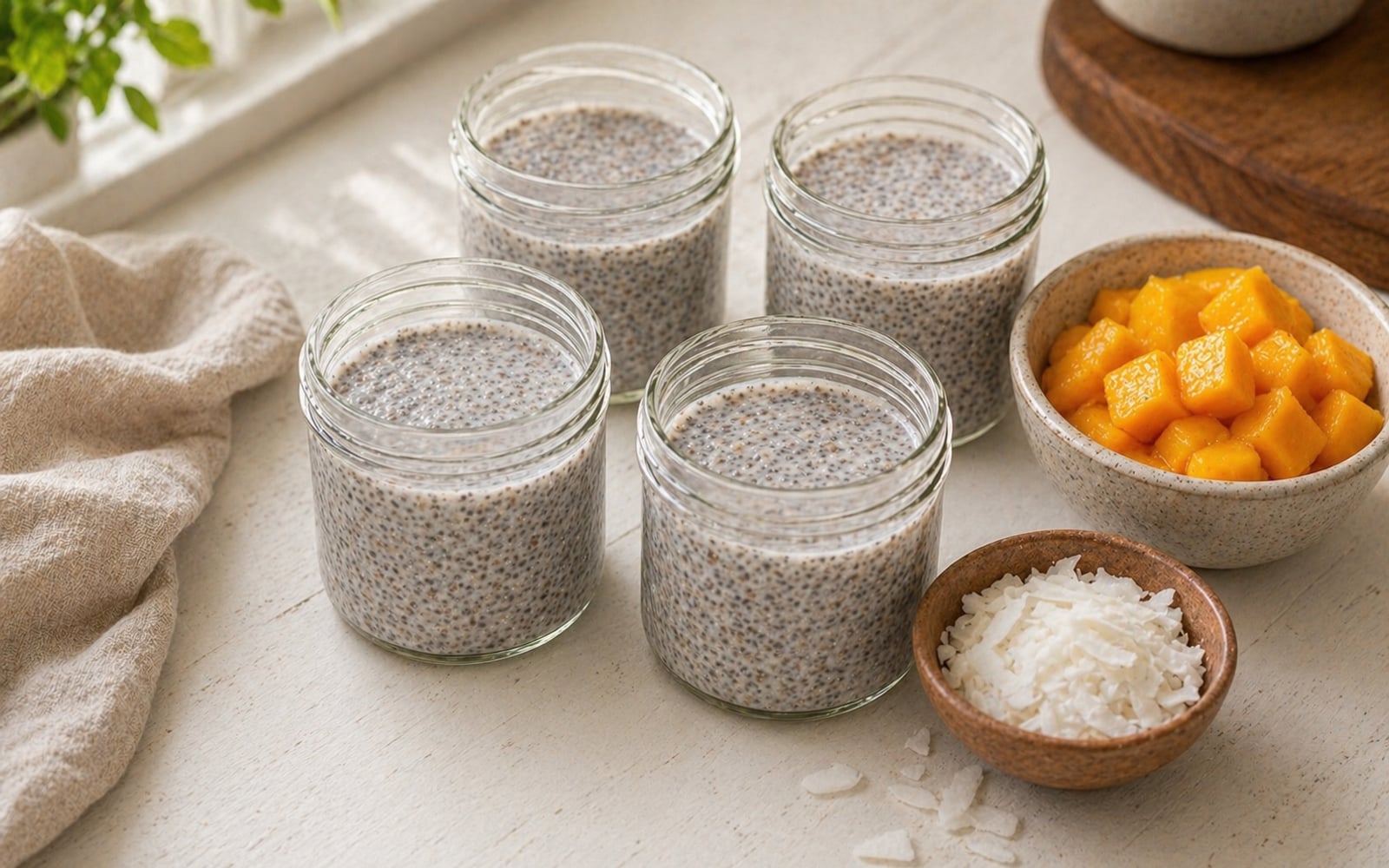
Chia-flax pudding setting in glass jars, showing the gel-like texture forming, with mango chunks and coconut flakes ready for topping.

This pudding leans on full-fat coconut milk for richness and on ground flax (not whole) because whole seeds pass through the gut intact — you’d still get the insoluble fiber, but you’d miss the omega-3s, the lignans, and most of the soluble fiber that makes this recipe work. The trick to getting that thick, tapioca-like texture without clumps is a two-stage whisk: once when everything goes into the bowl, and again after ten minutes when the seeds have started swelling. Skip the second whisk and you get lumps every time; include it and you get silk.

Keep the pudding plain in the jar so you can mix and match toppings through the week — berries one morning, mango the next, a spoon of kefir and a drizzle of tahini on the third. Simple systems beat elaborate recipes when you are trying to build a daily habit, and chia pudding scales down to a Tuesday-morning afterthought better than almost any other breakfast.
Key ingredients

Why these ingredients

Chia seeds

Chia holds up to 10 times its weight in liquid because of the soluble fiber in its outer mucilage. That gel is what gives the pudding its texture and what slows down stomach emptying, meaning you feel full for hours. A single tablespoon has 4g of fiber, almost all of it prebiotic.

Ground flaxseed

Flax is the only readily-available food with a meaningful dose of plant-based omega-3s (alpha-linolenic acid). It's also the richest dietary source of lignans — plant compounds that gut bacteria convert into anti-inflammatory enterolignans. Grinding is non-negotiable; whole flax passes through undigested.

Full-fat coconut milk

The fat isn't just for flavor — it slows sugar absorption from the mango and gives the pudding its satisfying mouthfeel. Lauric acid in coconut also has mild antimicrobial properties that some studies link to reduced Candida overgrowth in the gut.

Fresh mango

Mango is unusually rich in pectin, a prebiotic fiber that preferentially feeds *Bifidobacterium* species. It also contains mangiferin, a polyphenol shown to reduce intestinal inflammation in animal studies. Save the skin — scrape the remaining flesh off with a spoon; it's the richest part.

Hemp seeds (optional)

A complete protein — all 9 essential amino acids, 3g per tablespoon — plus a 3:1 ratio of omega-6 to omega-3 that's one of the best in the plant kingdom. Add them at serving so they stay nutty and crunchy.

Before you start

Equipment

  • Medium mixing bowl

    with a whisk that fits — you need vigorous whisking room

  • 2 pint-size jars with lids

    wide-mouth is easier to scoop from

  • Balloon whisk

    a fork works in a pinch but doesn't break up clumps as well

Recipe card

Chia-Flax Pudding with Mango

Prep
5 min
Cook
0 min
Total
5 min
Servings
2

Ingredients

Pudding

Topping (per jar)

Instructions

Notes

  • The second whisk is the difference between smooth pudding and one with chunks. Don't skip it — 30 seconds of effort now = no gritty clusters later.
  • Coconut milk gives the richest, most dessert-like texture. Any milk works, but the pudding will be lighter (almond milk version is more like tapioca).
  • Plain pudding keeps 3 days in the fridge. Only add toppings when you're about to eat.

Nutrition per serving

Estimated; see our disclaimer.

Cal
390 kcal
Protein
7 g
Carbs
28 g
Fat
28 g
Fiber
12 g
Sugar
14 g
Sat Fat
16 g
Sodium
75 mg
Calcium
220 mg
Iron
3 mg

From our test kitchen

Pro tips

The two-whisk method

Whisk once when you combine, wait 10 minutes, then whisk AGAIN. The second whisk breaks up the forming gel before it sets. Skip it and you get a clumpy, uneven pudding every time.

Use canned coconut milk

The refrigerated coconut beverage in cartons is mostly water and doesn't give the right texture. Shake a can of full-fat coconut milk before opening, and you'll get a rich, thick pudding every time.

Stage your fruit

Don't pre-top all the jars. Add mango, coconut flakes, and hemp seeds the morning you eat. Fruit releases water into the pudding and makes it soupy within 24 hours.

Maple syrup to taste

Different mangoes have wildly different sweetness. Ataulfo / honey mangoes are so sweet you can skip the maple syrup entirely. Firmer green-skinned mangoes may need an extra teaspoon. Taste before you commit.

When things go sideways

Troubleshooting

Pudding is lumpy and has hard clusters.

You skipped the second whisk (or didn't whisk hard enough). Fix now: scoop out clumps, mash with a fork, return to pudding. Next time: whisk vigorously at 10 minutes, not a quick stir.

Pudding stayed liquid even after 8 hours.

Old or expired chia seeds. Check the package date — chia loses gelling power after about a year. Try adding another tablespoon of fresh chia and refrigerating another 4 hours.

Pudding is too thick — almost rubbery.

Too much chia-to-liquid ratio, or your coconut milk was a super-thick cream. Stir in 2–3 tablespoons of milk or water and let sit 10 minutes. Next time, measure carefully or loosen with extra liquid at the start.

Flax tastes fishy or bitter.

Rancid flax. Pre-ground flax oxidizes fast — once opened, it's only good for about 3 weeks in the fridge. Buy whole seeds and grind them in a spice grinder as needed (keeps 12 months whole).

Mango makes the pudding watery overnight.

Fruit releases water into the pudding. Always top the morning you eat, not when you make. For a grab-and-go jar, pack the fruit in a separate small container.

Keep it fresh

Storage & reheating

Make ahead

Perfect Sunday prep. 5 minutes of mixing + overnight in the fridge = 3 breakfasts ready to grab. Double the recipe for 4–5 jars if you want to cover a full week.

Fridge

Keeps plain (no toppings) in sealed jars for 3 days. The texture actually improves on day 2 as the flax fully hydrates. Add fruit toppings only when serving.

Freezer

Not recommended. Chia gel breaks down after freeze-thaw and becomes grainy. This is a fridge-only recipe.

Reheat

Don't. This is a cold recipe. Warming above 100°F breaks down the chia gel and makes it watery.

Make it yours

Variations

Chocolate-chia

Whisk 2 tablespoons of unsweetened cocoa powder and 1 extra tablespoon of maple syrup into the base. Top with raspberries and chopped pistachios instead of mango. Tastes like chocolate mousse.

Berry-vanilla (low-FODMAP)

Swap mango for 1/2 cup fresh or frozen berries (blueberries, raspberries, or strawberries) and use lactose-free or almond milk instead of coconut. Stays within Monash FODMAP thresholds per serving.

Matcha-coconut

Whisk 1 teaspoon of culinary-grade matcha powder into the base. Top with extra coconut flakes and a drizzle of honey. Gives you a small caffeine boost without coffee.

Tropical trio

Use 1/4 cup coconut milk + 1 cup coconut water as the liquid base. Top with diced mango, kiwi, and a squeeze of lime. Lighter, more dessert-like texture.

Overnight protein

Add 1 scoop (~25g) of vanilla protein powder to the base and increase liquid by 2 tablespoons. Pushes each jar to ~22g protein — ideal post-workout.

Pantry swaps

Ingredient substitutions

Instead of

Full-fat coconut milk

Use

Whole dairy milk, oat milk, or canned light coconut milk

Whole milk gives close-to-identical creaminess. Oat milk is the lightest; expect a less rich pudding.

Instead of

Chia seeds

Use

Basil seeds (same ratio) or 1/3 cup whole flax seeds (if you like gel texture)

Basil seeds gel similarly but have a more neutral flavor. Whole flax doesn't gel as firmly.

Instead of

Ground flaxseed

Use

Ground hemp seeds or skip entirely

Skipping drops fiber and omega-3s; hemp is a reasonable one-for-one swap.

Instead of

Maple syrup

Use

Honey, agave, or 2 pitted Medjool dates blended into the milk

Dates add fiber; honey adds a floral note; agave is the most neutral.

Instead of

Mango

Use

Fresh berries, diced peach, kiwi, or pomegranate arils

Go for ripe, juicy fruit — firm underripe fruit doesn't release flavor into the pudding.

Plate it up

What to serve with it

The evidence

Why this is good for your gut

This one jar contains one of the highest doses of soluble fiber you can eat in a single sitting without supplements. Understanding the different types of fiber — and what each one does — helps you see why seeds are more than a trendy topping.

Chia seeds are the star. The soft outer layer of each seed is made of a complex carbohydrate called mucilage, which absorbs up to 10 times the seed's weight in water and forms a viscous gel. In the small intestine, that gel slows the absorption of sugars and fats, which is why this pudding — despite tasting like dessert — doesn't spike blood glucose the way an equivalent amount of dried fruit or granola would.[1] In the colon, chia's soluble fiber is fermented by beneficial bacteria like *Bifidobacterium* and *Roseburia* into short-chain fatty acids (butyrate, acetate, propionate), which fuel colonocytes and reduce local inflammation.[2]

Ground flaxseed contributes a different and complementary set of benefits. Per tablespoon: 2g of soluble fiber (gel-forming, prebiotic), 2g of insoluble fiber (bulk, faster transit), 2g of alpha-linolenic acid (a plant omega-3), and a concentrated dose of lignans — plant compounds unique to flax. Gut bacteria metabolize lignans into enterolignans (enterodiol and enterolactone), which circulate in the bloodstream and have measurable anti-inflammatory effects, particularly on the colonic mucosa.[3] Flax consumption has been associated in controlled trials with reductions in both intestinal permeability ("leaky gut") and circulating inflammation markers.[4]

The mango topping contributes two things worth knowing about. First, pectin — a soluble fiber that selectively promotes *Akkermansia muciniphila*, a beneficial bacterium that lives in and maintains the colonic mucus layer.[5] Second, a polyphenol called mangiferin, which in animal studies has been shown to modulate gut microbial composition and reduce markers of intestinal inflammation.

The total per jar is roughly 12 grams of fiber (about 40% of the adult daily target), a balanced mix of soluble and insoluble, a meaningful dose of plant omega-3s, and a small but real polyphenol contribution from the mango. Four or five jars a week — combined with a generally varied diet — is the kind of habit that shifts gut bacterial composition measurably over a couple of months.

One practical note: chia and flax both pull water into the gut. The first week of daily chia pudding, drink an extra glass of water with it — otherwise the fiber can slow transit rather than speed it up, and constipation is a legitimate (if temporary) risk when ramping up fiber quickly.

Good questions

Frequently asked questions

Do I need to grind my own flax?

Use pre-ground flaxseed from the store, or grind whole seeds in a spice grinder just before using. Whole flaxseeds pass through the gut undigested — the hard outer shell is impervious to digestion — so you lose most of the fiber and all of the lignans without grinding.

Can I swap the fruit?

Absolutely. Any ripe fruit works. Berries and kiwi are lowest-FODMAP and highest-polyphenol. Mango is a moderate-FODMAP, high-prebiotic option that's fine for most people. Avoid watery fruits (watermelon, canned peaches) — they dilute the pudding.

Is this suitable for kids?

Yes, and it's a quiet way to introduce fiber early. For toddlers, skip the maple syrup entirely (the fruit provides enough sweetness) and reduce chia to 3 tablespoons so the texture isn't too dense. Cut the mango smaller.

Why does my pudding sometimes stay liquid?

Old chia seeds lose their ability to gel. If your jar has been in the pantry for more than 9 months, the seeds may be rancid and/or dried out. Buy from a high-turnover bulk bin and use within 6 months for best gelling.

Can I eat this warm?

You can gently warm it (3 minutes in a pan over low heat, stirring), but chia's gel structure starts to break down above 100°F. It'll still be tasty, just soupier. Not recommended — this is a cold-pudding recipe.

Is it low-FODMAP?

Half a mango per serving is moderate-FODMAP. For strict elimination, use 1/2 cup blueberries or 1/2 cup strawberries instead, and use lactose-free milk or almond milk in place of coconut (Monash-tested up to 1/2 cup).

References

  1. Chia seed (Salvia hispanica): a review of its chemical composition and postprandial glucose response — Journal of the American College of Nutrition↩ back
  2. Butyrate as the major short-chain fatty acid preventing colon cancer — Journal of Nutrition↩ back
  3. Flaxseed lignans and gut microbial conversion to enterolignans — Journal of Functional Foods↩ back
  4. Flaxseed and cardiovascular health: a systematic review and meta-analysis — Nutrition Reviews↩ back
  5. Apple and mango pectins and Akkermansia muciniphila — Food Chemistry↩ back

Loved this recipe?

Save it to your Pinterest boards or share with a friend who needs more gut-friendly weeknight meals.

Newsletter

Weekly gut-friendly recipes, straight to your inbox.

One email every Sunday — new recipes, a practical gut-health tip, and zero spam. Unsubscribe anytime.

No spam 1-click unsubscribe

Signup coming soon. Follow us on Pinterest in the meantime.

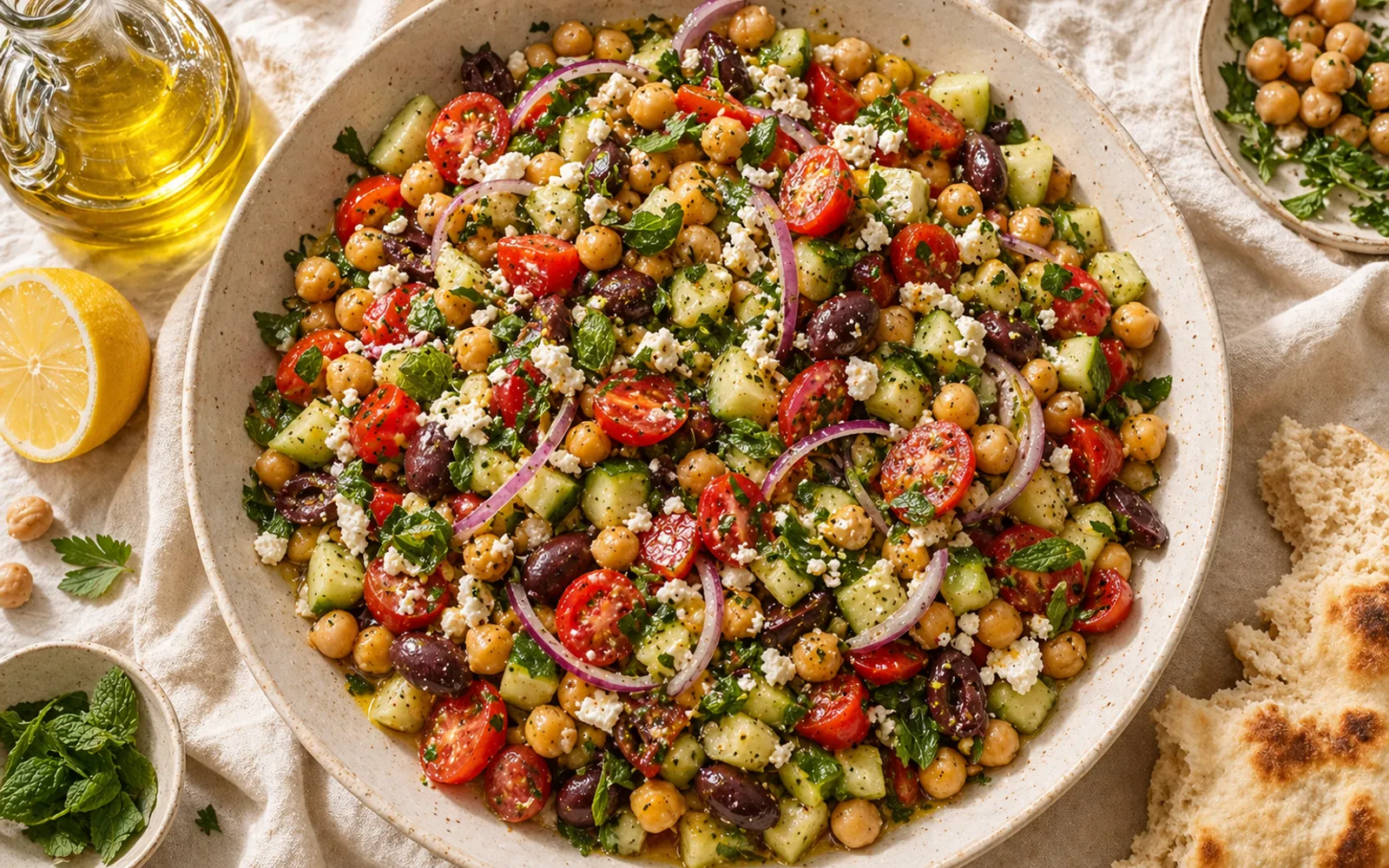
Mediterranean Chickpea Salad — GutPlate recipe photo
lunch 15 min

Mediterranean Chickpea Salad

A fiber-packed lunch salad with chickpeas, cucumber, tomato, red onion, kalamata olives, and a lemon-herb vinaigrette — 12g of fiber and ready in 15 minutes.

4 servings View recipe
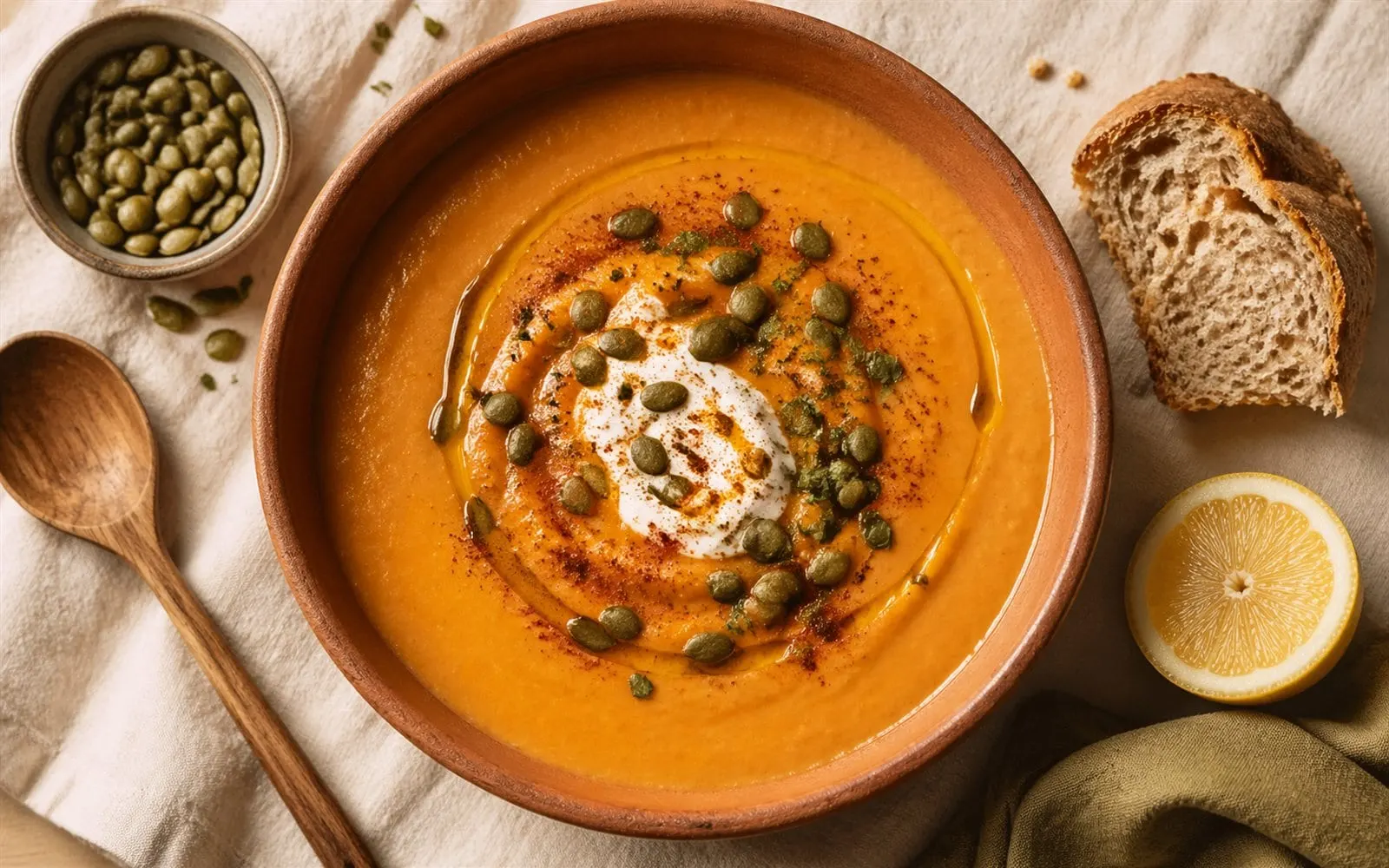
Roasted Sweet Potato & Lentil Soup — GutPlate recipe photo
soups 45 min

Roasted Sweet Potato & Lentil Soup

A creamy, high-fiber blender soup built on roasted sweet potatoes, red lentils, and warm spices — gentle on digestion and batch-friendly.

4 servings View recipe
Overnight Oats with Kefir & Berries — GutPlate recipe photo
breakfast 5 min

Overnight Oats with Kefir & Berries

A no-cook gut-friendly breakfast that pairs probiotic kefir with prebiotic oats and antioxidant-rich berries. Ready in 5 minutes the night before.

1 serving View recipe