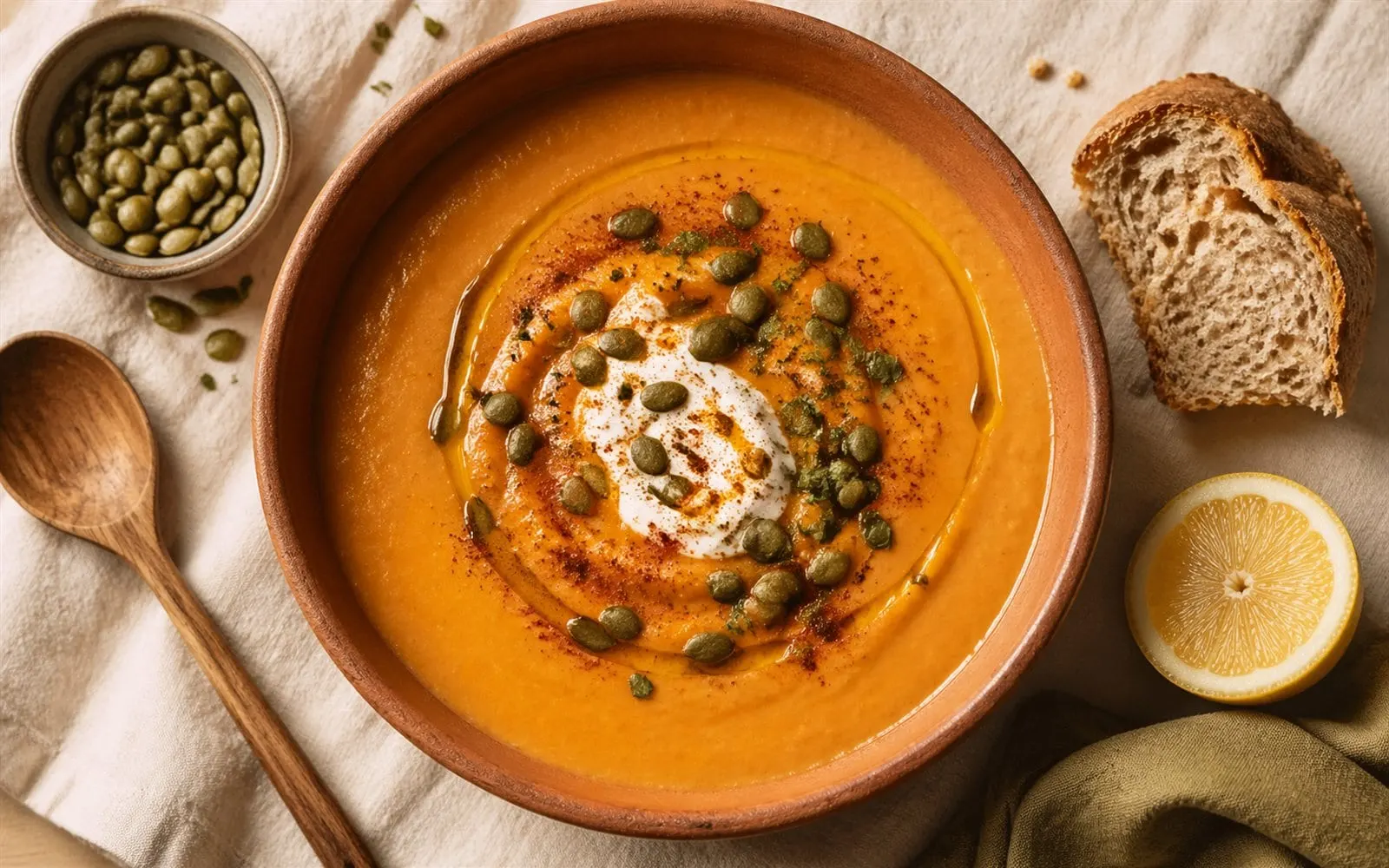
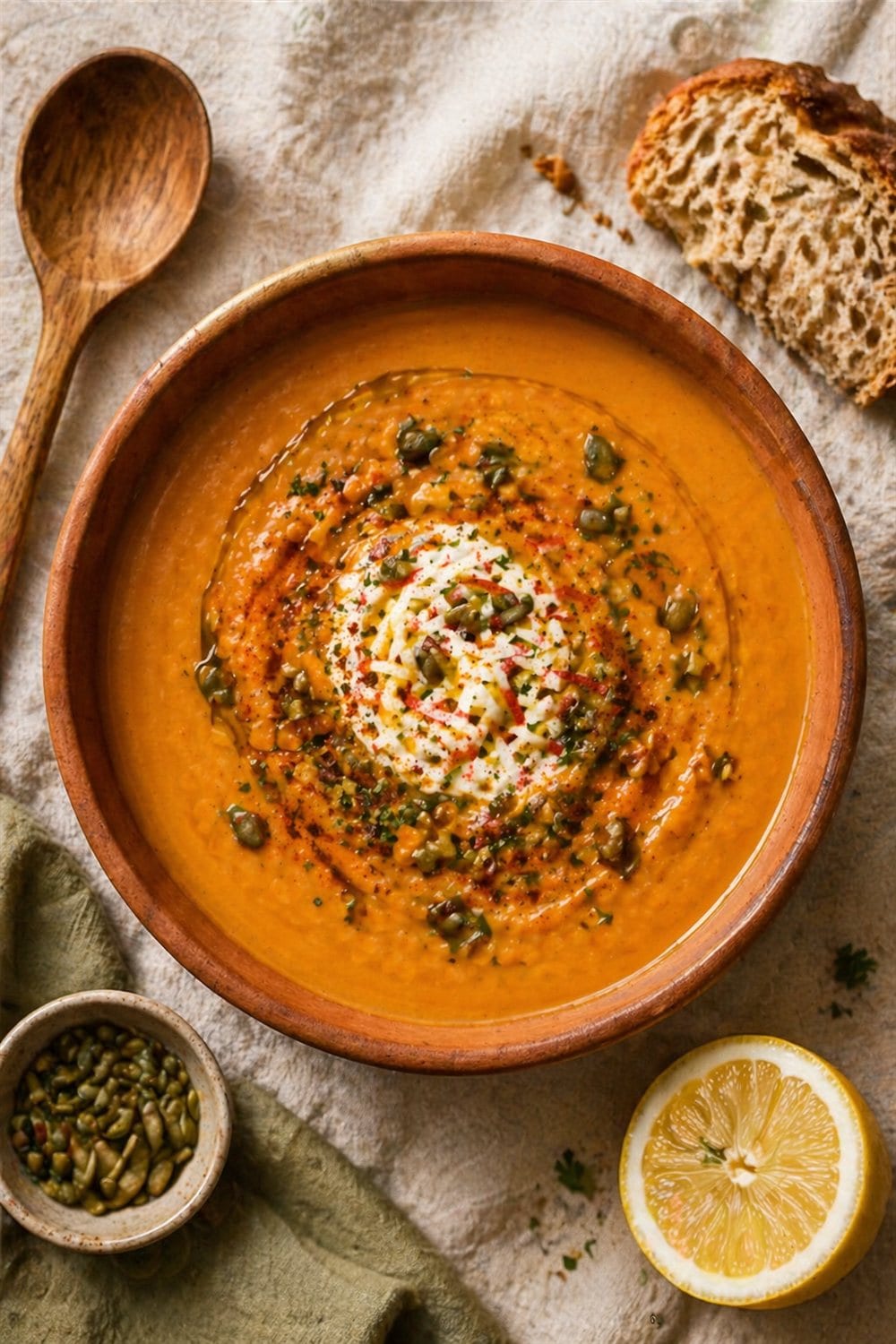
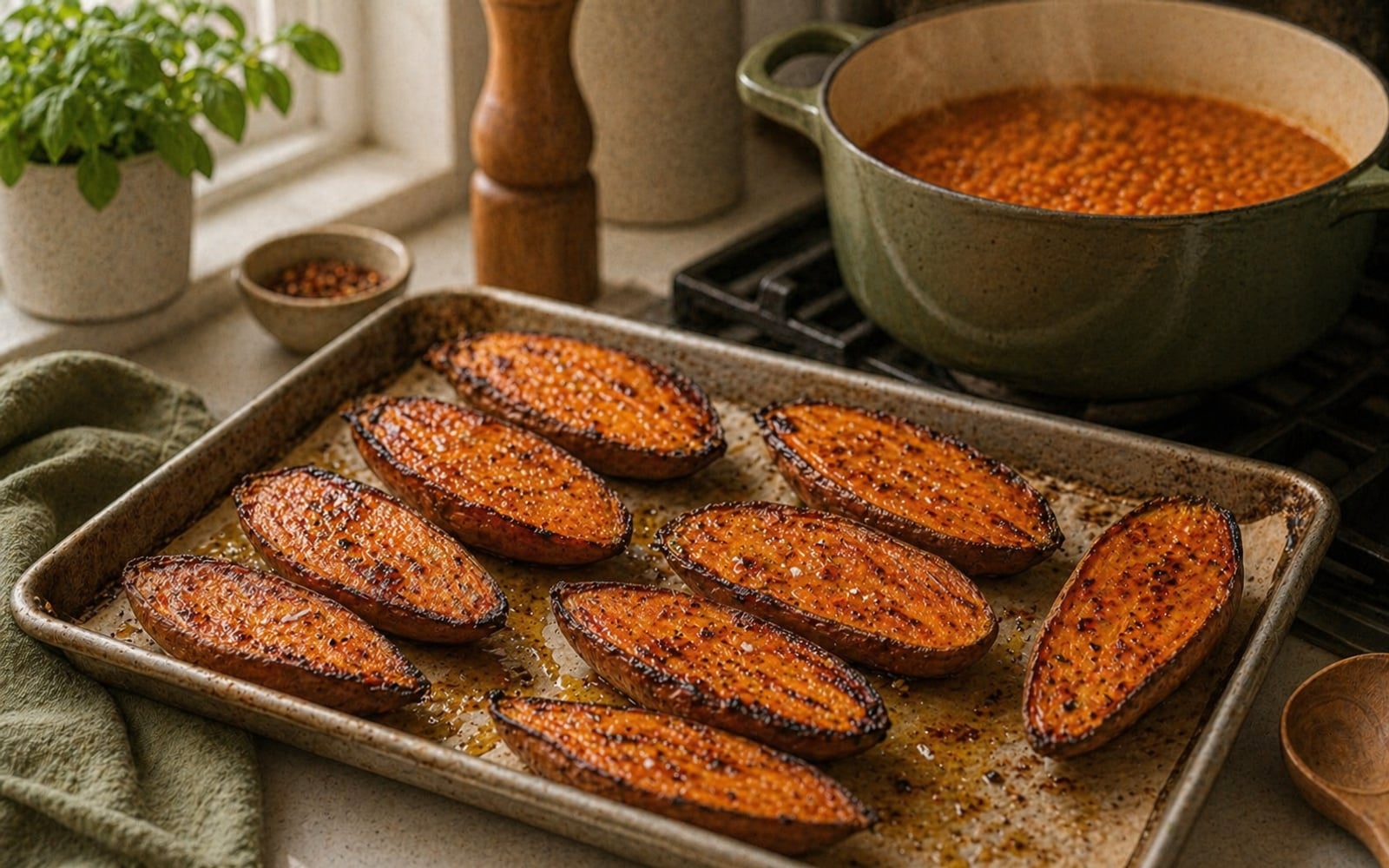
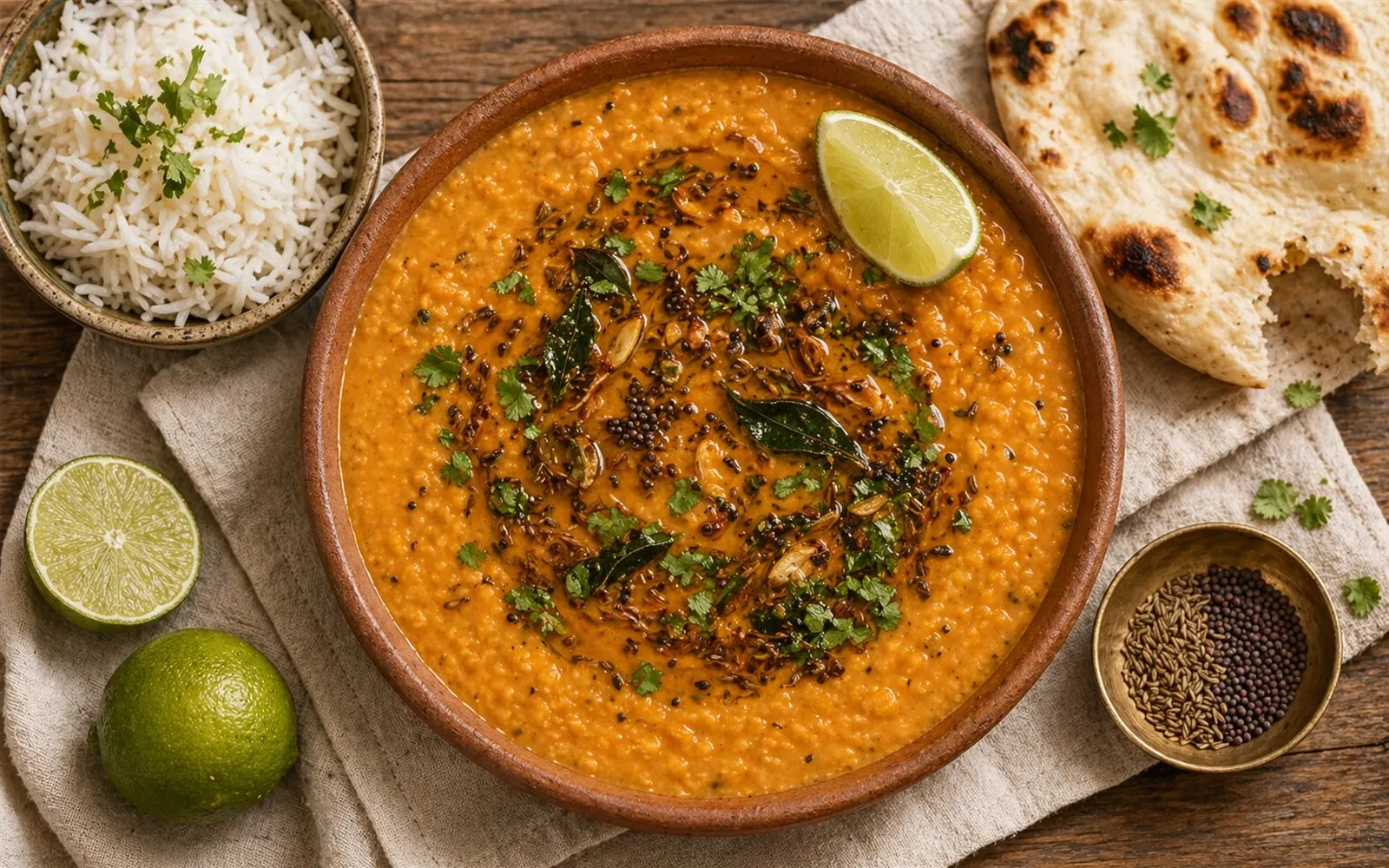
This soup is one of the clearest examples of how cooking technique — not just ingredient choice — affects gut benefit. The same sweet potatoes and lentils prepared differently would deliver different amounts of prebiotic fiber, resistant starch, and polyphenols. Understanding why helps you cook this soup (and others) more strategically.
Red lentils deliver the headline nutrition: per half-cup dry, about 9g of protein and 8g of fiber, of which roughly 40% is soluble fiber. That soluble fiber is a substrate for some of the most beneficial gut bacteria — particularly *Faecalibacterium prausnitzii* and *Roseburia intestinalis*, both of which produce butyrate when they ferment it.[1] Daily legume consumption has been consistently linked to increased gut microbial diversity and reductions in systemic inflammation markers in long-term observational studies.[2] Red lentils in particular are also unusually low in the lectins and FODMAPs that cause bloating from other legumes, which is one reason people with sensitive guts tolerate them better than whole beans.
Sweet potatoes contribute both immediate and delayed benefits. Cooked and warm, their starch is mostly digestible and provides a quick source of energy plus beta-carotene, potassium, and vitamin C. But when sweet potatoes are cooled (as this soup usually is by day two) and then reheated, some of their starch undergoes retrogradation — it rearranges into resistant starch that the small intestine cannot digest. That resistant starch reaches the colon intact, where it's fermented into butyrate, acetate, and propionate.[3] Day-two leftovers of this soup are arguably *better* for your gut than day-one fresh.
The roasted garlic and onion contribute a distinct prebiotic called inulin (and its shorter-chain cousins, fructooligosaccharides). Inulin is one of the most-studied prebiotics in human trials and has been shown to selectively promote *Bifidobacterium* species, enhance mineral absorption, and reduce gut inflammation markers.[4] Roasting both doesn't destroy the inulin — it's heat-stable up to about 185°F internally — but it does caramelize other sugars, making them more palatable without overwhelming sweetness.
The olive oil isn't just a cooking fat; extra-virgin olive oil contains oleocanthal and hydroxytyrosol, polyphenols that have been shown in controlled studies to reduce intestinal inflammation and promote *Akkermansia muciniphila* growth.[5] Using a generous amount (2 tablespoons in the roast + finishing drizzle) makes the oil a meaningful contributor, not a background player.
Finally, the cumin and smoked paprika add a layer of polyphenols. Cumin's cuminaldehyde and paprika's capsanthin both have demonstrated anti-inflammatory effects at the colonic mucosa, and both are more bioavailable when cooked in fat — exactly how they're used here.[6]
Putting it all together: one bowl of this soup delivers roughly 12 grams of fiber (nearly half the daily target), a complete amino acid profile when paired with whole grains, a meaningful dose of inulin and resistant starch (especially on day two), polyphenols from the olive oil and spices, and enough mechanisms working in concert that regular consumption tangibly supports gut health. Four bowls a week — combined with a varied diet — is a habit that moves microbial diversity over a couple of months.